
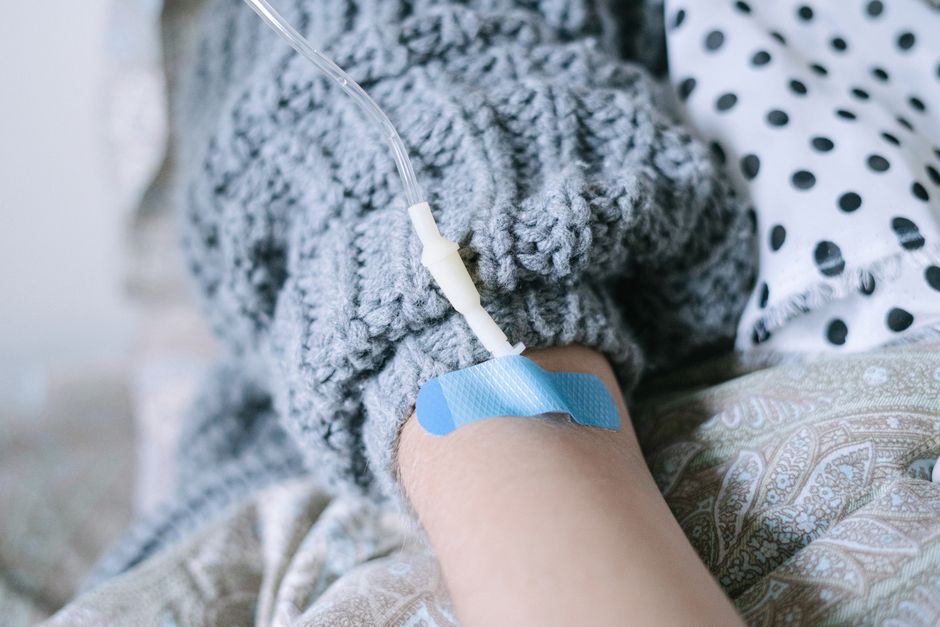
Bone infusion, clinically known as the intraosseous (IO) access procedure, is a fast way to deliver fluids and medications directly into the bone marrow when standard intravenous (IV) access is impossible or too slow. A needle is inserted through the skin and hard outer bone into the marrow cavity of a large bone, usually the shin or upper arm. The marrow is rich with blood vessels that quickly absorb whatever is infused, making it a life-saving emergency technique.
When Is Bone Infusion Used Instead of an IV?
Doctors and paramedics turn to intraosseous access when a patient needs urgent treatment but their veins have collapsed or are too difficult to find. This happens most often during cardiac arrest, severe dehydration, shock, or major trauma. In these situations, every second counts, and trying multiple times to place an IV line wastes precious time.
The American Heart Association and the European Resuscitation Council both recommend IO access as the first alternative when IV access fails. Some emergency protocols now suggest going straight to IO access during cardiac arrest rather than attempting IV first. This shift happened because research showed IO lines can be placed in under 60 seconds on the first try, while IV attempts often take several minutes or fail completely in critically ill patients.
IO access is not for routine use. It is reserved for emergencies where rapid medication delivery is needed and veins are not cooperating. Common scenarios include anaphylactic shock, seizures, severe burns, and battlefield injuries.
How Is the Intraosseous Access Procedure Done?
There are two main methods: manual drilling and spring-loaded insertion. Manual drilling uses a battery-powered device that spins a hollow needle through the bone. Spring-loaded devices use a trigger mechanism that pushes the needle in with force. Both work well, though studies published in the Journal of Emergency Medical Services suggest powered drills have higher first-attempt success rates among less experienced providers.
The most common insertion site in adults is the proximal tibia, which is the top part of the shinbone just below the kneecap. For children, the distal femur, just above the knee, is often preferred because their shinbones are smaller. The humerus, or upper arm bone, is another option used in adults.
After the needle is inserted, the provider confirms proper placement by aspirating blood or marrow, then flushes the line with saline. The infusion line is connected, and fluids or medications begin flowing. The entire process from decision to infusion typically takes 90 seconds or less with proper training.
Does Intraosseous Access Actually Work?
Yes, for most emergency medications and fluids, IO access works as well as IV access. Research published in the journal Resuscitation found that drug concentrations in the blood after IO administration are comparable to IV administration within two circulation times. That means medications reach the heart and brain almost as quickly as they would through a vein.
There are a few important exceptions. Some drugs that require large volumes of fluid or that irritate tissues may not be ideal for IO use. But the vast majority of emergency medications including epinephrine, amiodarone, and sodium bicarbonate are safe and effective through the IO route.
One study from the National Institutes of Health looked at 1,000 IO insertions across multiple emergency departments. The overall success rate for obtaining functional IO access was 87 percent on the first attempt. That is higher than first-attempt IV success rates in the same patient population, which hover around 60 percent during cardiac arrest.





What Are the Risks and Side Effects of Bone Infusion?
IO access is not without complications, though serious ones are rare. The most common problem is infiltration, where fluid leaks into the surrounding tissue instead of the bone marrow. This happens in about 5 to 10 percent of cases and is usually noticed quickly because the site swells.
Osteomyelitis, a bone infection, is the complication most people worry about. The actual rate is very low. Studies tracking thousands of IO insertions report infection rates below 1 percent, especially when the line is removed within 24 hours. Leaving an IO line in place longer increases infection risk significantly.
Other possible issues include fracture at the insertion site, compartment syndrome from fluid buildup, and fat embolism. These are extremely rare in adults but slightly more common in children with very small bones. Proper technique and correct site selection minimize these risks.
Comparison of IO Access vs. IV Access in Emergencies
| Factor | Intraosseous (IO) Access | Intravenous (IV) Access |
|---|---|---|
| Time to placement | 30-90 seconds | 2-10 minutes |
| First-attempt success rate | 87% | 60% |
| Requires visible veins | No | Yes |
| Infection risk | Less than 1% | 1-3% |
| Duration of use | 24 hours maximum | Days to weeks |
| Pain without anesthesia | Moderate to high | Low |
Is Bone Infusion Painful for Awake Patients?
Yes, IO insertion is painful. The needle passes through the periosteum, the nerve-rich membrane covering the bone. For patients who are conscious, lidocaine is injected into the skin and bone before insertion. This significantly reduces pain but does not eliminate it completely.
Many patients in emergency situations requiring IO access are unconscious due to cardiac arrest, severe shock, or head injury. For them, pain is not a concern. For awake patients, providers use local anesthesia whenever possible. Some protocols also recommend giving a small dose of pain medication through the IO line once it is established.
Ongoing infusion through an IO line can also be uncomfortable. Patients often describe a deep pressure sensation in the bone. This usually lessens after the first few minutes as the marrow cavity accommodates the fluid. If pain persists, the line may need to be removed and another access method used.
How Long Can an Intraosseous Line Stay In?
Standard guidelines say an IO line should be removed within 24 hours. The longer it stays, the higher the risk of infection and other complications. Most emergency protocols aim to replace it with a standard IV line as soon as the patient is stable enough for a conventional IV attempt.
In practice, many IO lines are removed within a few hours. Once the patient reaches the hospital and fluids are running, the medical team has more time to find a vein and place a more permanent line. The IO access serves as a bridge to keep the patient alive during the critical window.
There are rare cases where IO access has been maintained for 48 to 72 hours in extreme situations such as severe burns where no IV sites are available. But this is not standard practice and requires close monitoring for signs of infection.
What Is Bone Infusion the Intraosseous Access Procedure? Common Misconceptions
Some people think bone infusion is the same as an intraosseous transfusion, which is a different procedure used for blood transfusions directly into the marrow. While blood can be given through an IO line, the term bone infusion usually refers to emergency drug and fluid delivery.
Another misconception is that IO access damages the bone permanently. The puncture site heals on its own within a few weeks. The bone does not need any special treatment after the needle is removed. No studies show long-term bone weakness or deformity from a single IO insertion.
A third myth is that IO access only works for certain medications. In reality, nearly every drug used in emergency medicine can be given through an IO line. The only exceptions are medications that require very slow infusion or that are known to damage bone tissue, and these are clearly listed in drug references.
Key facts to remember about IO access:
- It is a fast alternative to IV when veins are not available
- Success rates are higher than IV in emergency situations
- Infection risk is low when the line is removed within 24 hours
- Most emergency medications work just as well through IO as IV
- Pain is manageable with local anesthesia for awake patients
- The bone heals completely within a few weeks
What Training Is Needed to Perform Bone Infusion?
Paramedics, emergency medical technicians, nurses, and doctors can all be trained to place IO lines. Training typically takes a few hours and includes practice on synthetic bone models. Many programs require at least five supervised insertions before someone is cleared to do it independently.
Studies show that skill retention is good. A study in Prehospital Emergency Care found that paramedics who completed initial IO training maintained successful placement rates above 80 percent even a year later without additional practice. This suggests the procedure is straightforward enough that occasional use does not lead to skill decay.
Hospitals and ambulance services now include IO access in their standard emergency protocols. Many simulation centers offer refresher courses every one to two years. The devices themselves have become simpler to use, with clear visual and audio cues that confirm proper placement.
Frequently Asked Questions
Can you feel the bone infusion needle going in?
Yes, patients who are awake report a sharp pain during insertion followed by deep pressure. Local anesthesia helps but does not fully block the sensation.
Is intraosseous access safe for children?
Yes, it is commonly used in pediatric emergencies. The distal femur is the preferred site in young children because the bone is larger there.
How quickly does medication work through an IO line?
Drugs reach the heart within 30 to 60 seconds, which is comparable to IV administration. Circulation time is the main factor, not the route.
Does the bone heal after the needle is removed?
Yes, the puncture site fills in with new bone tissue within two to four weeks. No long-term damage has been documented from a single insertion.
