
The lower limbs depend on a network of arteries and veins to keep every muscle, bone, and nerve alive. The main supply comes from the femoral artery, which branches off the external iliac artery. From there, a series of named arteries carry oxygen-rich blood down the thigh, through the knee, and into the foot. The return trip happens through a separate set of veins, with the deep veins doing most of the heavy lifting.
What Is the Main Artery of the Lower Limb?
The femoral artery is the primary vessel. It begins at the groin, just behind the inguinal ligament, and runs down the front of the thigh. In the upper thigh, it sits close to the surface, which is why doctors can feel a pulse there or use it for procedures like cardiac catheterization.
Near the groin, the femoral artery gives off a branch called the profunda femoris artery. This deep branch supplies the muscles of the thigh that attach to the femur bone. The main femoral artery continues downward and becomes the popliteal artery once it passes behind the knee.
Occlusion of the femoral artery is a serious event. When a blockage forms suddenly, it can threaten the survival of the entire leg. Chronic narrowing, often from atherosclerosis, produces a condition called claudication — cramping pain in the calf or thigh during walking that fades with rest.
Which Arteries Run Below the Knee?
The popliteal artery sits behind the knee joint. It then divides into the anterior tibial artery and the tibioperoneal trunk. The tibioperoneal trunk quickly splits again into the posterior tibial artery and the peroneal artery.
The anterior tibial artery travels down the front of the lower leg and becomes the dorsalis pedis artery on the top of the foot. This is the pulse clinicians check on the dorsum of the foot. The posterior tibial artery runs behind the inner ankle bone and gives rise to the plantar arteries that feed the sole of the foot. The peroneal artery runs deeper, along the fibula bone, and supplies the lateral muscles of the calf.
These three vessels form the distal runoff. When a surgeon plans a bypass graft, the quality of these arteries determines whether the operation is feasible.
How Does Blood Return From the Legs?
Venous return relies on two systems: the deep veins and the superficial veins. The deep veins lie alongside the arteries and carry about 90 percent of the blood back toward the heart. The superficial veins run just under the skin and handle the remainder.
The great saphenous vein is the longest vein in the body. It starts at the inner ankle and runs up the inner thigh to join the femoral vein at the groin. The small saphenous vein runs up the back of the calf and drains into the popliteal vein behind the knee.
Perforator veins connect the superficial system to the deep system. They contain one-way valves that allow blood to move from superficial to deep but not the reverse. When these valves fail, blood pools in the superficial veins, leading to varicose veins and chronic venous insufficiency.



What Role Do Valves and Muscles Play in Circulation?
Veins in the legs work against gravity. They depend on two mechanisms: one-way valves and the calf muscle pump. The valves prevent backflow. The calf muscles, when they contract during walking, squeeze the deep veins and push blood upward.
This is why prolonged sitting or standing impairs venous return. Without muscle contraction, blood stagnates. Over time, this can cause swelling, skin changes, and ulcers near the ankle — the hallmark signs of chronic venous disease.
The arterial system does not rely on valves. Instead, the heart pumps blood through arteries under high pressure. The pressure wave you feel as a pulse is the heart’s contraction traveling through the arterial tree.
What Happens When These Vessels Become Diseased?
Peripheral artery disease (PAD) narrows the arteries through plaque buildup. The most common symptom is calf cramping with exercise that resolves at rest. But many people with PAD have no symptoms at all, which makes the condition easy to miss.
Risk factors for PAD include smoking, diabetes, high blood pressure, and high cholesterol. Smoking is the strongest modifiable risk factor. People with PAD face a higher risk of heart attack and stroke because the same disease process affects arteries throughout the body.
Severe PAD can progress to critical limb ischemia. This occurs when blood flow is so low that the leg hurts even at rest, and wounds or gangrene develop. This is a medical emergency that requires urgent evaluation to save the limb.
Venous disease is more common than arterial disease. Chronic venous insufficiency affects a substantial portion of adults over 50. It presents with leg heaviness, swelling, and skin changes. Treatment focuses on compression stockings, elevation, and walking to activate the calf muscle pump.
How Do Doctors Assess Blood Flow to the Legs?
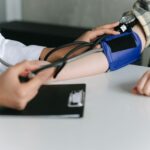
The ankle-brachial index (ABI) is the standard first test. It compares blood pressure in the ankle to blood pressure in the arm. A normal ABI ranges from 1.0 to 1.4. Values below 0.9 suggest PAD. Values below 0.4 indicate severe disease.
Doppler ultrasound provides images of the vessels and measures blood flow velocity. It can locate blockages and assess whether veins are functioning properly. CT angiography and MR angiography offer detailed three-dimensional views, often used before surgery or stenting.
Physical examination remains essential. A clinician checks for pulses at the femoral, popliteal, dorsalis pedis, and posterior tibial locations. Absent pulses, cool skin, hair loss on the legs, and shiny skin are all clues to reduced arterial flow.
Can You Prevent Disease in These Vessels?
Walking regularly is one of the most effective measures. It improves collateral circulation — the small backup vessels that can grow around a blockage. For people with claudication, supervised walking programs are a first-line treatment, not just a lifestyle suggestion.
Smoking cessation is the single most impactful step for arterial health. Within a few years of quitting, the excess risk of PAD drops substantially. Blood pressure control and cholesterol management also reduce the progression of plaque buildup.
For venous health, movement is the answer. Avoid sitting for more than an hour without standing. Elevate the legs when resting. Compression stockings are proven to reduce swelling and prevent venous ulcers in people with chronic venous insufficiency.
No supplement has been shown to reverse arterial or venous disease. Some products claim to “clean the arteries” or “improve circulation,” but no clinical evidence supports these claims. The reliable interventions remain exercise, weight control, smoking cessation, and blood pressure management.
When Should You Seek Medical Attention?
Sudden pain, pallor, pulselessness, and coldness in one leg are signs of acute arterial blockage. This is a limb-threatening emergency. Call emergency services immediately.
Non-healing wounds on the foot or ankle, especially in someone with diabetes, require prompt evaluation. These can indicate severe arterial insufficiency. Rest pain — pain in the forefoot that wakes you at night and improves when you hang the leg over the bed — is another red flag.
Swelling, skin discoloration, or open sores near the ankle may indicate venous disease. These are not cosmetic issues. They respond best to early treatment before skin breakdown occurs.
Frequently Asked Questions
What is the largest artery supplying the lower limb?
The femoral artery is the largest and main artery of the lower limb. It supplies the thigh and continues as the popliteal artery behind the knee.
Which arteries supply the foot?
The dorsalis pedis artery supplies the top of the foot, and branches of the posterior tibial artery supply the sole. Both arise from the popliteal artery’s divisions below the knee.
What veins carry blood from the legs back to the heart?
The deep veins — including the femoral and popliteal veins — carry most of the blood. The great and small saphenous veins are the main superficial veins.
Why do varicose veins form in the legs?
Varicose veins form when the one-way valves in the superficial veins fail. This allows blood to pool and the veins to stretch and bulge.
