
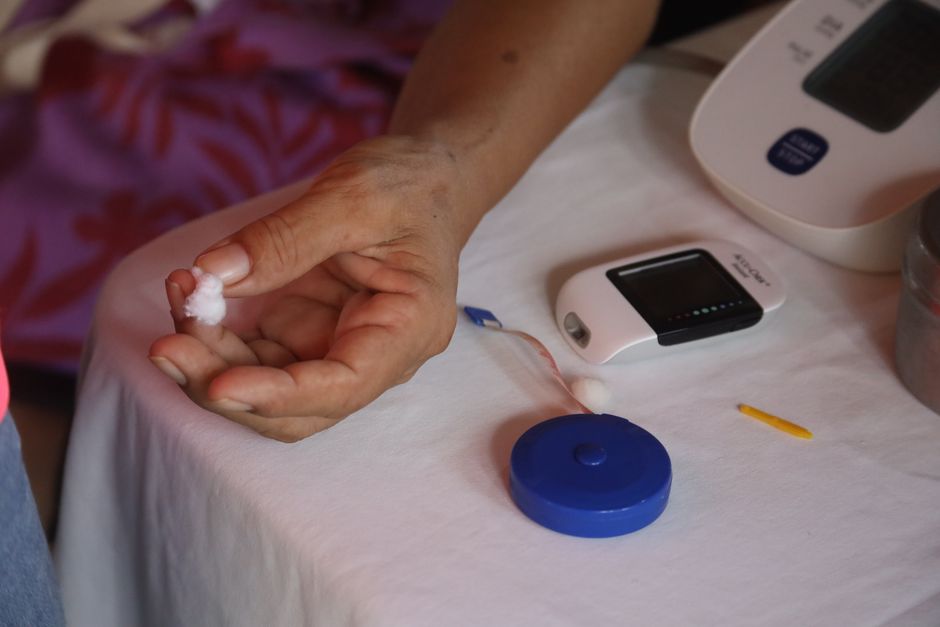
You check your blood sugar when the result will actually change what you do next. For people with diabetes, that means testing at specific times tied to meals, medication, and symptoms. For everyone else, routine home testing is not recommended unless a doctor has ordered it.
The timing matters more than the number of tests. A reading taken at the wrong moment can be normal while your levels swing high or low at other times of day. This guide covers the timing that has real clinical meaning, who actually needs to test, and what the numbers can and cannot tell you.
When Should You Test Your Blood Sugar Levels?
The most useful times depend on why you are testing. Blood sugar follows a daily pattern: it tends to be lowest before breakfast, rises after meals, and settles again within a few hours.
For people managing diabetes with medication, common testing points include:
- Fasting — first thing in the morning, before eating or drinking anything except water
- Before meals — to guide mealtime insulin dosing or gauge your starting point
- Two hours after a meal — to see how your body handled that specific food and dose
- Before bed — to reduce the risk of overnight low blood sugar
- Before and after exercise — activity can push glucose up or down
- Any time you feel symptoms — shakiness, sweating, confusion, or unusual thirst
Your doctor or diabetes care team should tell you which of these apply to you. The right schedule depends on your medication, your A1C target, and how stable your levels tend to be. There is no single schedule that fits everyone.
What Is the Difference Between Fasting and After-Meal Testing?
These two tests answer different questions and are not interchangeable.
A fasting reading shows your baseline. It reflects how well your body manages glucose overnight and without food. For most adults with diabetes, a common target range for fasting glucose is roughly 80 to 130 mg/dL, though your personal target may differ.
A reading taken about two hours after the start of a meal shows how well your body and your medication handle a glucose load. Post-meal targets are often set below 180 mg/dL for adults with diabetes. Again, individual targets vary.
Testing only when fasting can miss large spikes after eating. Testing only after meals can miss a high baseline. That is why many care plans use both.
Who Actually Needs to Test at Home?
Home glucose testing is standard for people with type 1 diabetes and for many people with type 2 diabetes who take insulin.
For people with type 2 diabetes who manage with diet, exercise, and medications that do not cause low blood sugar, the value of routine daily testing is genuinely debated. Some research suggests that frequent testing in this group does not reliably improve blood sugar control compared with testing less often. Some clinicians still recommend periodic testing because it can help people see how food and activity affect their numbers. This is an area where practice varies and the evidence is not clear-cut.
If you do not have diabetes, routine home glucose testing is not recommended. Occasional testing may be suggested by a doctor for specific reasons, such as monitoring during pregnancy or evaluating symptoms. It is not a general screening tool for healthy adults.




How Often Should You Check Your Blood Sugar?
Frequency follows from your treatment, not from a fixed rule. Someone using multiple daily insulin injections typically checks several times a day. Someone managing type 2 diabetes with metformin alone may check far less often, or not at all on a daily basis.
Continuous glucose monitors (CGMs) have changed this picture. A CGM measures glucose under the skin every few minutes and can reduce or replace fingerstick testing for many people. Not everyone qualifies for one, and insurance coverage varies. If you are eligible and interested, ask your care team.
The number of tests matters less than whether the results lead to decisions. Testing that never changes what you eat, how you dose, or what you tell your doctor adds little. Testing tied to a clear action is worth doing.
What Do the Numbers Mean?
Glucose readings are a snapshot, not a verdict. A single high or low number is a data point, not a diagnosis.
Fingerstick meters have some margin of error, so a reading of 110 might really be a bit higher or lower. Trends over days and weeks are more informative than any single value.
Two numbers matter most for long-term health: your daily readings and your A1C. The A1C reflects average glucose over roughly the past two to three months. For many adults with diabetes, an A1C below 7% is a common goal, though targets are set individually based on age, other health conditions, and risk of low blood sugar.
When you bring your meter or CGM data to appointments, patterns become visible. That is where the real value sits — not in any one reading.
When Should You Test for Low Blood Sugar?
Test immediately if you feel symptoms of hypoglycemia: shakiness, sweating, hunger, irritability, confusion, or a racing heart.
Low blood sugar is generally defined as below 70 mg/dL. It is most common in people who take insulin or certain other diabetes medications. It can happen quickly and needs prompt treatment.
Test before driving if you take insulin or medications that can cause lows. Test before bed if you have had lows overnight before. Test before and during exercise, since activity can drop glucose for hours afterward.
If you cannot test and you feel symptoms of a low, treat first. Waiting to confirm with a meter is not worth the risk when symptoms are clear. Follow the low blood sugar treatment plan your care team gave you.
What About Testing Without a Diagnosis?
If you have not been diagnosed with diabetes and you are wondering whether you should test, the better first step is usually a conversation with your doctor about screening.
Blood sugar screening is typically done with a fasting glucose test or an A1C at a lab, not with a home meter. These lab tests are more accurate and are the standard for diagnosis. Common screening criteria include adults with risk factors such as a family history of diabetes, excess weight, or certain other conditions.
Home meters are not designed or validated for diagnosing diabetes. A normal home reading does not rule out diabetes, and a single high home reading does not confirm it.
If you have symptoms that concern you — unusual thirst, frequent urination, blurred vision, or unexplained weight loss — see a doctor rather than trying to sort it out with a home device. Those symptoms deserve proper evaluation.
Frequently Asked Questions
Should I test my blood sugar every day?
Only if your care team has told you to. Daily testing is standard for people who take insulin, but for many people with type 2 diabetes who do not use insulin, the benefit of daily testing is not well established.
What is a normal blood sugar level?
For adults without diabetes, fasting glucose is generally between 70 and 99 mg/dL, and two hours after a meal it is typically below 140 mg/dL. Targets for people with diabetes are set individually by their care team.
Can I test my blood sugar at home to check for diabetes?
No. Home meters are not validated for diagnosing diabetes, and a single reading cannot confirm or rule it out. Diagnosis requires lab testing ordered by a doctor.
What time of day is best to test blood sugar?
First thing in the morning before eating is the most common and informative time for a baseline reading. After-meal testing about two hours after you start eating shows how your body handled that meal.
