
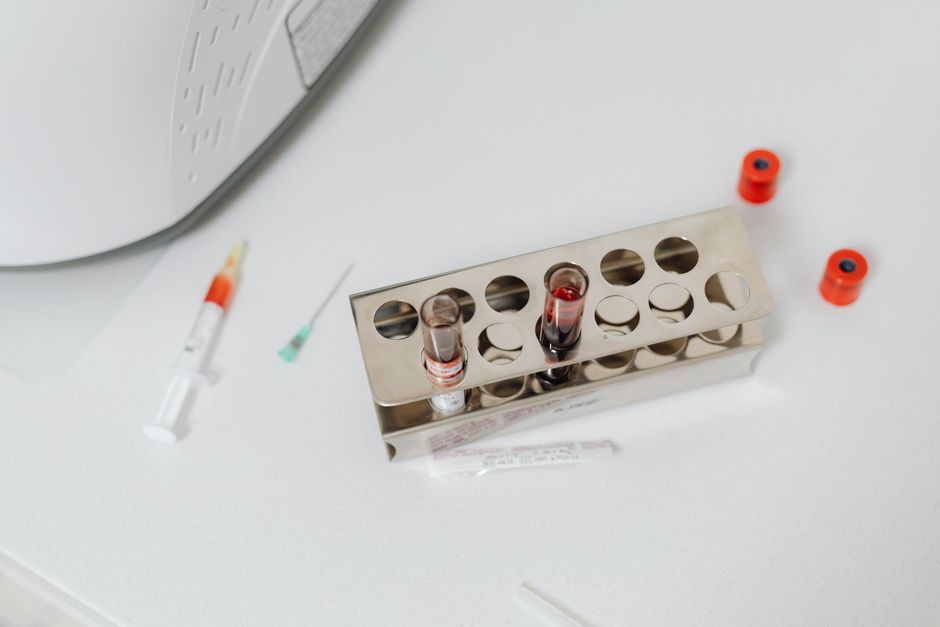
An MCH blood test measures the average amount of hemoglobin inside a single red blood cell. Hemoglobin is the protein that carries oxygen from your lungs to the rest of your body. When your MCH level is high, it usually means your red blood cells are larger than normal. When it is low, it typically indicates smaller-than-normal red blood cells, often linked to iron deficiency. Doctors use MCH as one piece of the puzzle to understand your overall blood health and investigate symptoms like fatigue or weakness.
What Is MCH In A Blood Test High And Low Levels?
MCH stands for Mean Corpuscular Hemoglobin. It is a calculated value that comes from your complete blood count, or CBC. The test divides the total amount of hemoglobin in your blood by the number of red blood cells you have. This gives a simple average of how much hemoglobin each red blood cell carries.
Doctors rarely look at MCH alone. They review it alongside other red blood cell measurements, particularly MCV (Mean Corpuscular Volume). MCV measures the average size of your red blood cells. MCH and MCV usually move together. If your red blood cells are large, they tend to carry more hemoglobin. If they are small, they carry less.
Normal reference ranges for MCH can vary slightly between laboratories. Most labs consider a normal range to be roughly 27 to 33 picograms per cell. Always compare your result to the specific reference range printed on your lab report, since different labs may use slightly different standards.
What Does A High MCH Level Mean?
A high MCH level means your red blood cells carry more hemoglobin than average. This finding most often points to macrocytic anemia, a condition where your bone marrow produces unusually large red blood cells. These oversized cells frequently carry extra hemoglobin, which pushes the MCH number upward.
The most common cause of high MCH is a deficiency in vitamin B12 or folate. Both vitamins are essential for normal red blood cell production. Without enough of them, the cells that develop in your bone marrow grow abnormally large. Pernicious anemia, an autoimmune condition that blocks vitamin B12 absorption, is another frequent cause. Liver disease and heavy alcohol use can also produce elevated MCH levels because both affect how your body processes vitamins and produces blood cells.
Certain medications can raise MCH levels as a side effect. Chemotherapy drugs, some antiviral medications, and certain seizure medications may interfere with folate metabolism. If you take any of these medications, your doctor will consider that when interpreting your results.
An isolated high MCH without other abnormalities may not indicate a serious problem. Some people naturally have slightly larger red blood cells. Your doctor will assess your full blood count, your symptoms, and your medical history before drawing any conclusions. If your MCH is high, your doctor will likely order follow-up blood tests to check your vitamin B12 and folate levels.
What Does A Low MCH Level Mean?
A low MCH level means your red blood cells carry less hemoglobin than average. This typically indicates hypochromic anemia, a condition where red blood cells appear paler than normal because they lack sufficient hemoglobin. Low MCH almost always accompanies smaller-than-normal red blood cells.
Iron deficiency anemia is by far the most common cause of low MCH. Your body needs iron to build hemoglobin. When iron stores run low, your bone marrow cannot produce fully loaded red blood cells. Chronic blood loss is the leading driver of iron deficiency in adults. Heavy menstrual bleeding, gastrointestinal bleeding, or regular use of aspirin or NSAIDs can all contribute to slow, ongoing blood loss that depletes iron reserves over time.
Other causes of low MCH include thalassemia, an inherited blood disorder that affects hemoglobin production. In thalassemia, your body makes fewer functional red blood cells even when iron levels are normal. Chronic disease-related anemia, often seen in people with kidney disease, inflammatory conditions, or cancer, can also produce low MCH levels. In these cases, the underlying illness interferes with iron utilization even when total body iron is adequate.
Low MCH alone does not diagnose any condition. Your doctor will look at your hemoglobin, hematocrit, and other indices together. A low MCH with a normal hemoglobin level may be an early sign of developing iron deficiency. A low MCH with low hemoglobin confirms anemia that needs investigation.





How Do Doctors Diagnose The Underlying Cause?
When MCH is abnormal, doctors typically order additional tests to find the root cause. The process is straightforward but methodical. Your doctor will review your complete blood count first, paying close attention to MCV, red blood cell distribution width, and hemoglobin levels.
For high MCH, the next step usually involves measuring serum vitamin B12 and folate levels. If those come back low, replacement therapy is the standard treatment. If they come back normal, your doctor may investigate other potential causes like thyroid disease or liver dysfunction. A peripheral blood smear, where a technician examines your blood under a microscope, can reveal the physical characteristics of your red blood cells and help narrow the diagnosis.
For low MCH, doctors typically check your serum ferritin level, which reflects your body’s stored iron. A low ferritin level confirms iron deficiency. If ferritin is normal or high, the cause may be thalassemia or anemia of chronic disease. In some cases, a hemoglobin electrophoresis test can distinguish between these conditions by analyzing the types of hemoglobin present in your blood.
Your doctor will also ask about your diet, medications, family history, and any symptoms you have noticed. Symptoms like fatigue, pale skin, shortness of breath, dizziness, or cold hands and feet can provide important clues. Gastrointestinal symptoms or changes in bowel habits may prompt investigation for internal bleeding.
Is Abnormal MCH Dangerous?
An abnormal MCH value itself is not dangerous. It is a laboratory finding, not a disease. What matters is the underlying cause and how severely it affects your body’s oxygen-carrying capacity.
Untreated anemia can become serious. When your red blood cells cannot deliver enough oxygen to your tissues, your heart must work harder to compensate. Over time, this can lead to an enlarged heart, irregular heartbeat, or heart failure, especially in people with existing cardiovascular disease. Severe anemia can also cause cognitive difficulties, reduced physical endurance, and complications during surgery or pregnancy.
Early detection matters. Many causes of abnormal MCH are highly treatable. Iron deficiency anemia often resolves within a few months of proper iron supplementation. Vitamin B12 deficiency responds well to replacement therapy, though some people need lifelong treatment depending on the cause. The key is identifying the underlying condition before it progresses.
If your MCH result is abnormal, do not panic. Discuss it with your doctor. Ask what other values in your blood count show and whether further testing is warranted. Most people with abnormal MCH levels have easily manageable conditions. A small percentage have more complex disorders that require specialist care, but identifying them early improves outcomes significantly.
Can Diet And Lifestyle Affect MCH Levels?
Diet directly influences MCH levels when nutritional deficiency causes the abnormality. Iron-rich foods include red meat, poultry, fish, lentils, beans, and fortified cereals. Vitamin C enhances iron absorption from plant sources, so pairing beans with citrus or tomatoes can help. Vitamin B12 comes almost exclusively from animal products, including meat, fish, eggs, and dairy. Folate is abundant in leafy green vegetables, legumes, and fortified grains.
People who follow strict vegan diets face higher risk of vitamin B12 deficiency because plant foods contain no reliable natural source of this vitamin. If you follow a vegan diet, discuss B12 supplementation with your doctor. Pregnant women, people with gastrointestinal disorders like celiac disease or Crohn’s disease, and older adults with reduced stomach acid also face elevated risk of nutrient malabsorption.
Limiting alcohol intake supports healthy red blood cell production. Heavy alcohol use interferes with folate absorption and directly suppresses bone marrow function. Smoking also affects blood health by reducing oxygen delivery and increasing oxidative stress on red blood cells.
No food or supplement can fix an MCH abnormality caused by non-nutritional factors. If your abnormal MCH stems from chronic disease, inherited conditions, or medication side effects, dietary changes alone will not resolve it. Always work with your doctor to identify the true cause rather than self-treating with over-the-counter supplements.
When Should You See A Doctor?
An abnormal MCH finding typically appears on a routine blood test ordered for other reasons. If you have not had blood work done recently and experience persistent fatigue, unexplained weakness, shortness of breath with mild exertion, pale skin, or rapid heartbeat, request a complete blood count from your doctor.
Do not attempt to interpret your own lab results in isolation. MCH is one of several related values that require professional interpretation. A doctor considers your age, sex, medical history, medications, and symptoms alongside your lab values. The same MCH number can mean different things in different people.
If your doctor recommends treatment for the underlying cause, follow through with follow-up testing. Most people need repeat blood work a few months after starting treatment to confirm their levels are returning to normal. Iron supplementation, for example, typically requires several months of consistent use before hemoglobin and MCH normalize. Stopping early because you feel better can allow the deficiency to return.
Frequently Asked Questions
What is a normal MCH level?
A typical normal range is 27 to 33 picograms per cell, though slight variations exist between laboratories. Your lab report will list the specific reference range used for your sample.
Can stress cause high or low MCH levels?
No direct evidence links psychological stress to abnormal MCH levels. Stress may indirectly affect eating habits or alcohol consumption, which could influence nutritional status over time, but stress itself does not change MCH.
How long does it take for MCH levels to return to normal?
Recovery time depends on the underlying cause. With iron supplementation for iron deficiency, MCH typically normalizes within two to three months. Vitamin B12 replacement can take several months, and some causes require ongoing treatment to maintain normal levels.
Is a slightly high or low MCH level serious?
A borderline abnormal MCH without other blood count abnormalities often has no clinical significance. Your doctor determines whether the finding warrants investigation based on your full blood count and symptoms.
