
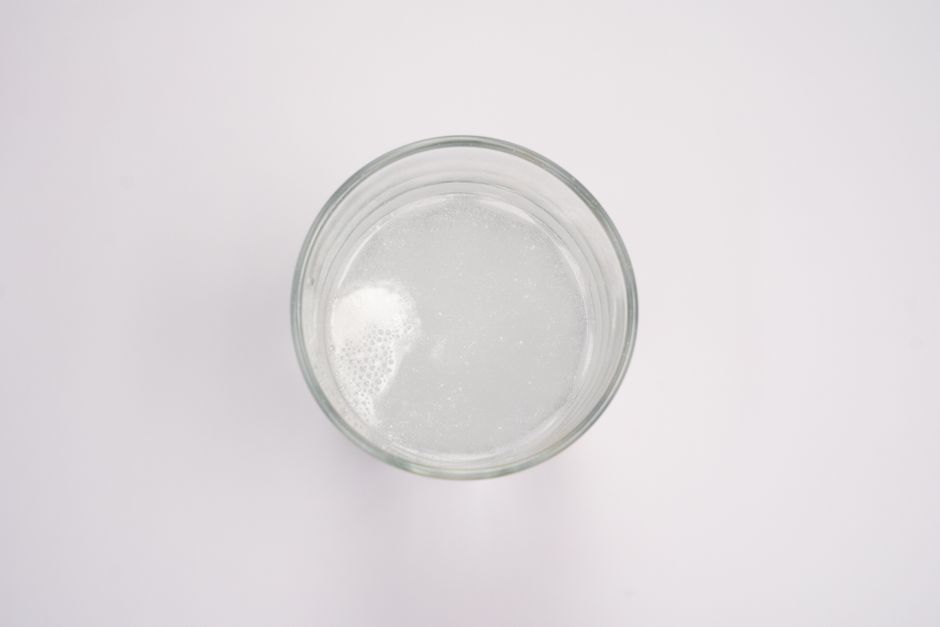
Ayran is a cold, salty yogurt drink made from yogurt, water, and salt. It tastes tangy and lightly salted, with a thin, drinkable texture. It is a traditional beverage in Turkey and across parts of the Middle East and Central Asia, and it is nutritionally close to diluted yogurt — which means it carries protein, calcium, and live cultures, but usually with less fat and fewer calories per serving than the yogurt it came from.
People search for ayran for two reasons. Some want to know what it actually is and how it tastes before trying it. Others have seen claims that it aids digestion, hydration, or blood pressure and want to know whether those claims hold up. The short version: ayran is a real food with real nutrients, and some of the health claims around it are better supported than others.
What Is Ayran Drink Taste Nutrition Benefits? Science Says
Ayran is a fermented milk drink. The base is yogurt — traditionally made from sheep’s or goat’s milk, though cow’s milk is common today — blended with water and salt. The result is thinner than yogurt but thicker than milk, with a sour, savory flavor and a distinct saltiness.
The proportions vary by region and household. Some versions are quite thin and barely salted. Others are thick and strongly salted. Commercial versions sold in bottles and cartons are usually more standardized, and some add mint, cucumber, or carbonation.
What separates ayran from similar drinks matters here. It is not the same as kefir, which uses different cultures and is typically unsalted. It is not lassi, which is usually sweet or fruit-based. And it is not buttermilk, though the tangy flavor is comparable. Ayran’s defining feature is the combination of fermented yogurt, water, and salt.
What Does Ayran Taste Like?
Ayran tastes sour and salty at the same time, with a creamy undertone from the yogurt. The salt is the part that surprises most first-time drinkers. It is not subtle in traditional versions.
The flavor profile depends heavily on three things: how much water is added, how much salt is used, and what milk the yogurt came from. Sheep’s milk ayran tends to be richer and more tangy. Cow’s milk versions are milder.
Most people describe it as refreshing, especially cold. It is commonly served alongside grilled meat, rice dishes, and stuffed vegetables in Turkish cuisine, partly because the acidity and salt cut through rich food. Some people find the saltiness takes getting used to if they expect a sweet or plain yogurt drink.
If you are trying it for the first time, a thinner, less salty commercial version is an easier entry point than a traditional homemade one.
What Is the Nutrition Profile of Ayran?
Ayran’s nutrition depends entirely on how it is made. Because water dilutes the yogurt, the nutrient density per cup is lower than plain yogurt. Salt content varies widely and is the number worth watching.
Here is a general comparison. These are approximate ranges, not fixed values, because recipes differ so much.
| Nutrient (per 1 cup, about 240 ml) | Plain yogurt (whole milk) | Ayran (typical dilution) |
|---|---|---|
| Calories | About 150 | Roughly 60–90 |
| Protein | About 8–9 g | Roughly 3–5 g |
| Fat | About 8 g | Roughly 3–4 g |
| Calcium | About 300 mg | Roughly 150–200 mg |
| Sodium | About 100–110 mg | Varies widely; often 300–600 mg |
Two things stand out. First, ayran is a meaningful source of calcium and protein even after dilution, though less than the yogurt it started as. Second, the sodium is the variable that matters most. A heavily salted homemade ayran can deliver a large share of a day’s recommended sodium in one glass.
The dietary guidelines for Americans recommend keeping sodium under 2,300 mg per day for most adults. If you drink ayran regularly and salt it heavily, that adds up.





Does Ayran Have Probiotics, and Do They Help?
Traditional ayran is made with live yogurt cultures, so it contains the same bacteria found in yogurt — mainly Lactobacillus and Streptococcus species. Whether a given bottle actually contains live cultures depends on whether it was pasteurized after fermentation. Many shelf-stable commercial versions are heat-treated and contain no live bacteria.
This is the part where marketing often outruns evidence. Probiotic claims on fermented drinks are common, but the science is more careful than the labels suggest.
Some studies suggest that certain probiotic strains can help with specific digestive issues, such as antibiotic-associated diarrhea. But those findings are strain-specific and dose-specific. They do not automatically apply to every fermented drink on the shelf.
No clinical evidence currently confirms that drinking ayran specifically delivers broad digestive or immune benefits. The honest position: if the ayran contains live cultures, it provides probiotics in the same general way yogurt does, and the evidence for yogurt’s probiotic effects is modest and strain-dependent. If it is pasteurized, the bacteria are gone and the probiotic claim does not apply.
Check the label. If it says “live and active cultures,” the bacteria are likely present. If it does not, assume they are not.
Can Ayran Help With Hydration and Electrolytes?
Ayran contains water, sodium, and some potassium, which is the basic makeup of an oral rehydration-style drink. In Turkey it is commonly consumed in hot weather and after physical exertion for exactly this reason.
That said, the evidence for ayran as a hydration tool is mostly traditional and physiological rather than from large clinical trials. The logic is sound — sodium helps the body retain water, and fluid intake matters — but it is not the same as proven sports nutrition.
For everyday hydration, water is still the standard. Ayran can contribute fluid and some electrolytes, but its salt content means it is not a drink to rely on in large volumes, particularly if you have high blood pressure or are watching sodium for medical reasons.
If you are exercising hard or in heat for a long time, sports drinks and oral rehydration solutions are formulated to specific electrolyte ratios. Ayran is a reasonable food-based alternative for many people, but it is not a substitute for medical rehydration products in cases of significant fluid loss or illness.
Is Ayran Good for Blood Pressure or Gut Health?
This is where claims get ahead of the evidence, and it is worth being direct about it.
Some research on dairy and fermented foods suggests associations with cardiovascular and metabolic health, and the DASH eating pattern — which emphasizes low-fat dairy — is well established for blood pressure management. But ayran specifically has not been the subject of large, rigorous human trials showing it lowers blood pressure or improves gut health.
There is a specific catch with blood pressure. Ayran is salty. High sodium intake is associated with higher blood pressure in many people. So a drink that provides calcium and potassium (both associated with blood pressure regulation) also delivers sodium (associated with the opposite). The net effect depends on how much salt is in it and the rest of your diet.
For gut health, the probiotic question above applies. The evidence is modest and depends on live cultures being present.
Ayran is a nutritious traditional food. It is not a treatment. Anyone managing blood pressure, kidney disease, or a sodium-restricted diet should treat it as a salty food and account for it accordingly.
Who Should Be Careful With Ayran?
Ayran is generally a safe food for most people, but a few groups should pay attention.
- Sodium-sensitive individuals. People with high blood pressure, heart failure, or kidney disease are often advised to limit sodium. Traditional ayran can be high in salt.
- People with lactose intolerance. Fermentation reduces lactose somewhat, but ayran still contains it. Some people tolerate it; others do not.
- Dairy allergy. Ayran contains milk proteins. It is not appropriate for anyone with a milk allergy.
- Infants and young children. No clinical guidelines exist for giving salted fermented drinks to infants. Salt is not recommended for babies, and ayran is not a suitable drink for them.
For most healthy adults, a glass of ayran as part of a meal is unremarkable. The main practical consideration is the salt.
How Is Ayran Made and Served?
Traditional ayran is simple. Plain yogurt is whisked with cold water and salt until smooth and drinkable. Some versions add dried mint or a little lemon. It is served very cold, often over ice, and frequently alongside meals.
Making it at home gives you control over the salt, which is the main advantage over commercial versions. Start with a small amount of salt and adjust. Many people find they need far less than they expect once the yogurt’s natural tang comes through.
Commercially, ayran is sold in bottles and cartons, sometimes carbonated. Read the label for sodium content and for whether live cultures are listed. Shelf-stable versions are convenient but typically pasteurized.
Frequently Asked Questions
Is ayran the same as yogurt?
No. Ayran is yogurt diluted with water and salted, so it is thinner and less nutrient-dense per cup than plain yogurt. It also contains more sodium than the yogurt it is made from.
Does ayran contain probiotics?
Only if it is made with live cultures and not pasteurized afterward. Many shelf-stable commercial versions are heat-treated and contain no live bacteria, so check the label.
Is ayran good for you?
It provides protein, calcium, and fluid, and it can be part of a balanced diet. The main caveat is sodium, since traditional ayran is salty and high sodium intake is linked to higher blood pressure in many people.
Can you drink ayran every day?
Most healthy adults can, but portion and salt matter. If you have high blood pressure, kidney disease, or a sodium-restricted diet, treat ayran as a salty food and account for it in your daily intake.
