
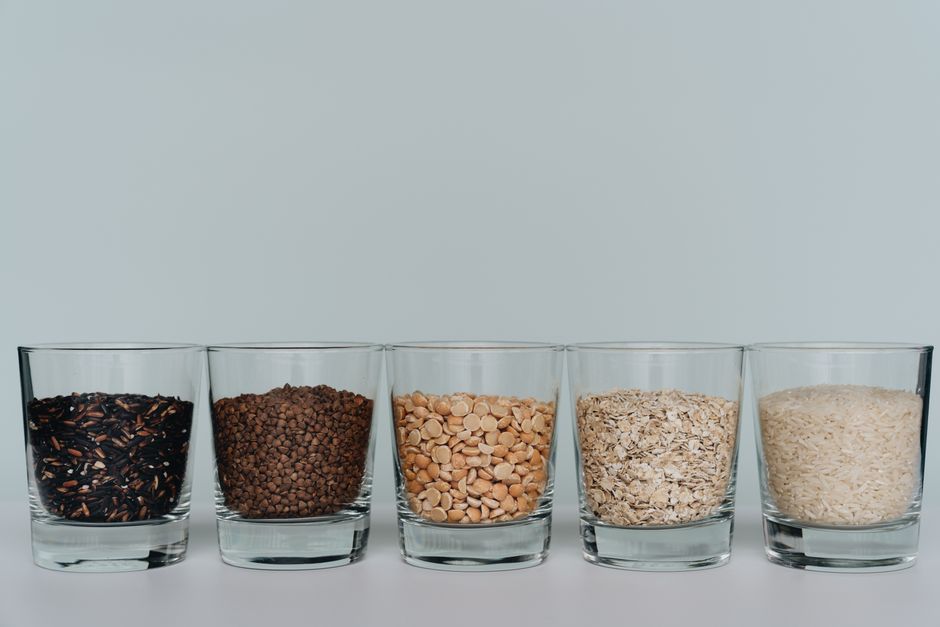
Polishing rice removes the brown bran layer to create white rice. This process changes both the texture and the nutritional profile of the grain. Most of the fiber, vitamins, and minerals are lost when the bran is stripped away, leaving mostly starch behind.
What Does Polishing Rice Actually Mean?
Rice starts as a whole grain with several layers. The outermost layer is the inedible hull. Beneath that sits the bran, which is the nutrient-rich brown layer. The innermost part is the white endosperm, which is mostly carbohydrate.
Brown rice has only the hull removed. The bran stays intact. White rice goes through additional steps: milling and polishing. Milling removes the bran. Polishing smooths the surface of the remaining grain. The result is the familiar white rice that cooks faster and has a softer texture.
What Nutrients Are Lost When Rice Is Polished?
The bran layer is where most of the nutrition lives. When it is removed, the rice loses a significant portion of its original nutrient content.
Fiber is the most obvious loss. Brown rice contains several grams of fiber per serving. White rice contains almost none. Fiber supports digestion and helps you feel full after a meal.
B vitamins are also concentrated in the bran. Thiamin, niacin, and vitamin B6 are all reduced when rice is polished. These vitamins help your body convert food into energy.
Minerals take a hit too. Magnesium, phosphorus, and potassium are found in the bran. Polished rice has only a fraction of these minerals remaining.
Some research suggests that certain antioxidants in rice are also lost during polishing. These compounds are found in the bran and are largely absent from white rice.
Does Polishing Change How Rice Affects Blood Sugar?
Yes. The glycemic index of white rice is higher than that of brown rice. This means white rice raises blood sugar faster after you eat it.
The fiber in brown rice slows down digestion. Food moves through your system more gradually. Sugar enters the bloodstream at a steadier pace. Without that fiber, white rice is digested quickly and causes a faster spike in blood sugar.
For people managing diabetes or prediabetes, this difference matters. Studies consistently show that replacing white rice with brown rice is associated with better blood sugar control. The effect is not huge, but it is measurable and consistent across multiple studies.




Is Enriched White Rice A Good Compromise?
Many white rice products are labeled “enriched.” This means certain nutrients are added back after polishing. Thiamin, niacin, and iron are commonly added.
Enrichment does restore some of what was lost. However, it does not restore everything. Fiber is not added back. Magnesium is not added back. The enrichment process only replaces a small set of nutrients.
So enriched white rice is better than plain white rice, but it is still not nutritionally equivalent to brown rice. The fiber content remains very low, and the blood sugar response remains similar to unenriched white rice.
Why Do People Polish Rice At All?
Polishing rice is not just about nutrition. It is also about taste, texture, and shelf life.
White rice has a milder flavor. Many people prefer this over the nutty taste of brown rice. White rice also cooks faster and has a softer, fluffier texture that pairs well with many dishes.
The bran layer contains oils that can go rancid over time. Removing the bran gives white rice a much longer shelf life. Brown rice can spoil within months if not stored properly. White rice can last for years.
In many parts of the world, polished white rice is simply the cultural norm. It is what people grew up eating and what they expect rice to taste like. Nutrition is not the primary consideration for most consumers.
How To Polish Rice At Home
Polishing rice at home is possible but rarely practical. Commercial mills use specialized equipment to remove the bran layer evenly. Home methods are less efficient and often produce inconsistent results.
If you want to try it, you can use a rice polisher machine. These small appliances are available for home use, particularly in Asian markets. They work by rubbing the grains together to remove the bran.
A mortar and pestle can work in small batches. Place dry brown rice in the mortar and gently grind. The goal is to rub off the bran without breaking the grains. This takes time and patience.
Some people attempt to polish rice by soaking and rubbing it by hand. This method is time-consuming and rarely removes the bran evenly. It is not a practical approach for regular cooking.
There is no nutritional reason to polish rice at home. If you want white rice, buying it commercially is easier and more consistent. If you want the nutritional benefits, brown rice is the better choice.
What About Parboiled Rice?
Parboiled rice offers a middle ground. The rice is soaked and steamed while still in the husk. This process pushes some nutrients from the bran into the endosperm. The rice is then milled and polished.
The result is a white rice that retains more nutrients than regular white rice. Parboiled rice has a firmer texture and a slightly yellow color. It also has a lower glycemic index than regular white rice, though not as low as brown rice.
Parboiled rice is not as nutritious as brown rice, but it is a reasonable option for people who prefer white rice and want to preserve some nutritional value.
Which Rice Should You Choose?
Brown rice is the most nutritious option. It has more fiber, more vitamins, and more minerals than any form of white rice. It also has a gentler effect on blood sugar.
White rice is not harmful. It is simply a less nutritious version of the same grain. For most healthy people, eating white rice in moderation is not a problem.
If you eat rice regularly, brown rice is the better choice. If you prefer white rice, consider parboiled rice or enriched white rice as alternatives. The most important thing is to eat a varied diet that includes plenty of vegetables, protein, and other whole grains.
Frequently Asked Questions
Is brown rice healthier than white rice?
Yes. Brown rice retains the bran layer, which contains fiber, B vitamins, and minerals that are removed during polishing. White rice is mostly starch with fewer nutrients.
Can you polish rice at home?
Technically yes, using a home rice polisher or a mortar and pestle, but it is time-consuming and produces inconsistent results. Commercially polished rice is more uniform and practical.
Does rinsing rice remove nutrients?
Rinsing white rice removes some surface starch but has minimal impact on nutrients. Rinsing brown rice does not remove the bran layer.
Is enriched white rice as good as brown rice?
No. Enrichment adds back a few B vitamins and iron, but fiber and magnesium are not restored. Brown rice remains more nutritious overall.
