
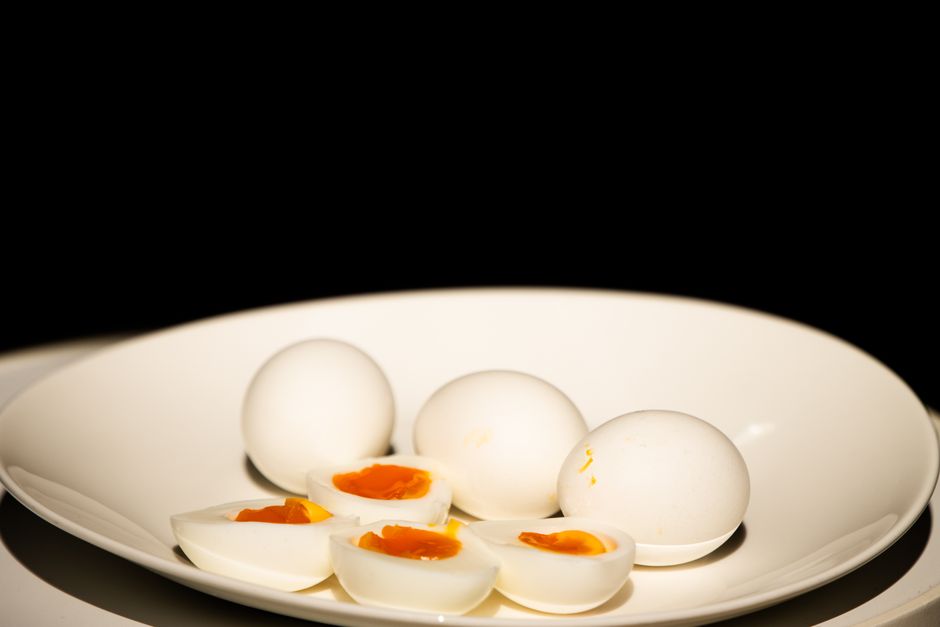
Boiled eggs are a safe and highly nutritious food to eat during pregnancy, provided they are cooked thoroughly until both the white and yolk are solid. They are an excellent source of protein, choline, and several essential vitamins, making them a valuable addition to a prenatal diet. The primary safety concern is the risk of Salmonella, which is eliminated when eggs are fully cooked and eaten fresh.
Are Boiled Eggs Good For Pregnancy Benefits Safety?
Yes, boiled eggs are good for pregnancy. They offer a concentrated package of nutrients that support both maternal health and fetal development. The benefits are clear, but the safety hinges entirely on how the egg is prepared. A hard-boiled egg is safe, while a soft-boiled egg with a runny yolk carries a risk of foodborne illness that is not worth taking during pregnancy.
The main worry with eggs is Salmonella, a bacteria that can cause severe food poisoning. Pregnancy does not make you more likely to get infected, but it does make the infection more dangerous for you and your baby. High fever and dehydration from Salmonella can lead to complications. Thorough cooking kills the bacteria. That is why the yolk must be firm, not runny.
What Nutrients Do Boiled Eggs Provide for Pregnancy?
Eggs are a nutrient-dense food, meaning they provide a lot of nutrition for very few calories. One large hard-boiled egg contains about 78 calories and 6 grams of high-quality protein. Protein is the building block for your baby’s tissues and organs, and your needs increase significantly during pregnancy.
Eggs are one of the best dietary sources of choline. Choline is a nutrient that is often overlooked but is critical for your baby’s brain and spinal cord development. It plays a direct role in forming the neural tube, which later becomes the brain and nervous system. Many prenatal vitamins do not contain choline, so getting it from food matters. A single large egg provides about 147 milligrams of choline, which is a substantial portion of the daily goal during pregnancy.
Boiled eggs also provide vitamin D, vitamin B12, and iodine. Vitamin D supports bone development, B12 is essential for red blood cell formation and neurological function, and iodine is necessary for your baby’s thyroid function and brain development. These are nutrients that many pregnant women do not get enough of from other foods.
How Should You Boil Eggs to Make Them Safe?
The rule is simple: cook them until the yolk is completely firm. A hard-boiled egg is safe. A soft-boiled egg, where the yolk is still liquid or jammy, is not considered safe during pregnancy because the center has not reached a temperature high enough to guarantee that Salmonella is killed.
To achieve a safe hard-boiled egg, place the eggs in a saucepan and cover them with cold water. Bring the water to a full rolling boil, then remove the pan from the heat, cover it, and let it sit for 9 to 12 minutes. The exact time depends on your altitude and the size of the eggs. After that, drain the hot water and run cold water over the eggs to stop the cooking process. The yolk should be solid and dry in the center. If there is any greenish-gray ring around the yolk, that is just a harmless reaction between iron and sulfur, and it does not affect safety or taste.
Freshness matters. Older eggs are easier to peel, but they also have a higher risk of bacterial growth. Buy eggs from a refrigerated case and check the sell-by date. Store them in the refrigerator at home and use them within three weeks.




What about Raw or Runny Eggs in Other Foods?
The same rule applies to all foods containing eggs during pregnancy. Homemade mayonnaise, hollandaise sauce, Caesar salad dressing, and raw cookie dough often contain raw or lightly cooked eggs. These should be avoided unless you know the eggs have been pasteurized or the product is commercially made with pasteurized eggs.
Commercial mayonnaise sold in jars is safe because it is made with pasteurized eggs and acid. The risk is with homemade versions where the egg is raw. The same applies to meringues, mousse, and tiramisu if they are made with raw eggs. When you eat out, ask how the food is prepared. If there is any doubt about whether an egg is fully cooked, skip it.
How Many Boiled Eggs Can You Eat Per Day?
For most pregnant women, eating one to two eggs per day is considered safe and beneficial. The old concern about eggs raising cholesterol levels has been largely revised by modern research. Eggs do contain dietary cholesterol, but for most healthy people, the cholesterol in food has a small effect on blood cholesterol levels compared to saturated fats.
However, if you have gestational diabetes, high cholesterol, or a history of heart disease, talk to your doctor about how many eggs fit into your specific dietary plan. There is no universal limit that applies to every pregnancy. Your healthcare provider can give you guidance based on your blood work and health history.
Eggs are filling, which can help manage the hunger that often comes with pregnancy. They are also inexpensive and quick to prepare, making them a practical choice for busy days.
Are There Any Risks of Eating Boiled Eggs While Pregnant?
The risks are minimal when the egg is fully cooked. The main risk is the egg being undercooked, which brings the Salmonella concern back into play. Always check that the yolk is firm before eating. If you cut into an egg and the yolk is still runny, do not eat it.
Some people worry about egg allergies. If you had an egg allergy before pregnancy, you should continue to avoid eggs and speak with your allergist. However, eating eggs during pregnancy does not cause your baby to develop an allergy. Current evidence actually suggests that eating eggs during pregnancy may reduce the risk of your child developing an egg allergy, but this is not a guarantee and should not be interpreted as a treatment.
Another consideration is the source of the eggs. Eggs from hens raised on pasture may have a slightly different nutrient profile than conventional eggs, but both are safe when cooked properly. There is no evidence that organic eggs are safer or more nutritious than conventional eggs in a way that matters for pregnancy. The cooking method matters far more than the label on the carton.
Practical Tips for Including Boiled Eggs in Your Prenatal Diet
Hard-boiled eggs are versatile. You can eat them as a snack with a piece of fruit. You can slice them over a salad for extra protein. You can mash them with avocado instead of mayonnaise to avoid raw egg concerns. You can chop them into a grain bowl with rice and vegetables.
If you struggle with nausea in the first trimester, eggs are often well tolerated because they are bland and easy to digest. Some women find that the smell of eggs triggers nausea, though. If that is the case for you, try eating them cold, as the smell is usually less intense. You can also try adding a pinch of salt or a sprinkle of black pepper to change the flavor profile.
Meal prepping hard-boiled eggs for the week is a smart strategy. Boil six to eight eggs at the beginning of the week and keep them in the refrigerator. They will stay fresh for up to one week when stored in their shells. Do not leave boiled eggs at room temperature for more than two hours, as this increases the risk of bacterial growth.
Frequently Asked Questions
Can I eat a soft-boiled egg while pregnant?
No, you should not eat soft-boiled eggs during pregnancy because the runny yolk may contain Salmonella bacteria. Cook eggs until both the white and yolk are completely firm to eliminate this risk.
How many boiled eggs can I eat a day during pregnancy?
One to two boiled eggs per day is safe for most pregnant women. If you have gestational diabetes or high cholesterol, ask your doctor for a specific recommendation based on your health.
Are boiled eggs better than fried eggs for pregnancy?
Boiled eggs are a good choice because they require no added fat or oil for cooking. Fried eggs are also safe if the yolk is fully cooked, but they add extra calories and fat from the cooking oil or butter.
Can eating boiled eggs cause allergies in my baby?
No, eating eggs during pregnancy does not cause your baby to develop an egg allergy. Some research suggests it may lower the risk, but this is not a guarantee.
