
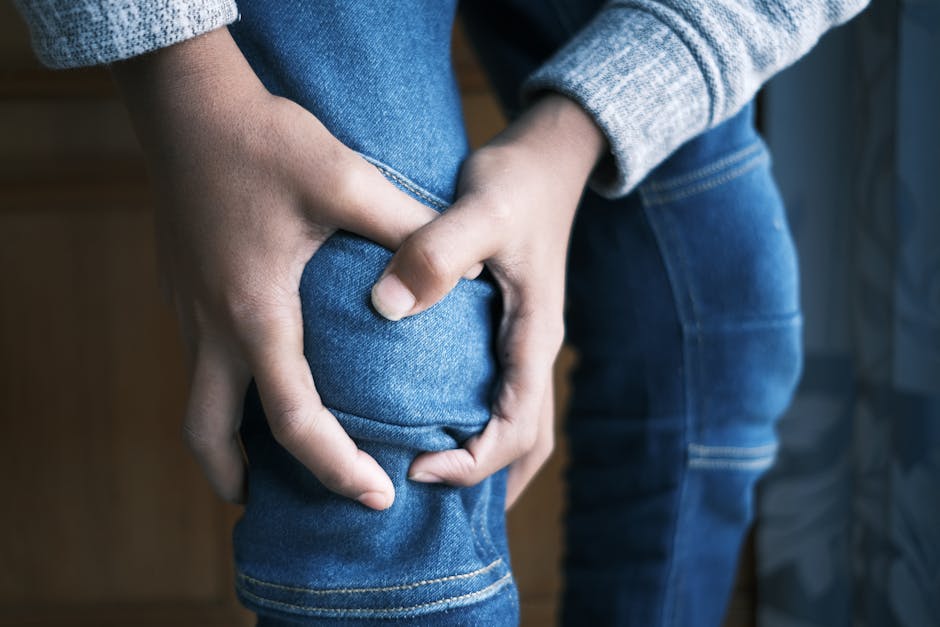
Arthritis is inflammation of one or more joints that causes pain, stiffness, and reduced range of motion. It’s not a single disease but a group of over 100 conditions affecting joints and surrounding tissues. The two most common types are osteoarthritis, which develops from wear and tear on cartilage, and rheumatoid arthritis, an autoimmune disease where the body attacks its own joint linings.
What Are the Main Types of Arthritis?
Osteoarthritis affects roughly 32.5 million adults in the United States. The cartilage cushioning your joints gradually breaks down over years of use. Knees, hips, hands, and spine are most commonly affected. Weight, age, and previous injuries all increase your risk.
Rheumatoid arthritis is different. Your immune system mistakenly attacks the synovium, the lining of membranes surrounding your joints. This causes painful swelling that can eventually damage bone and cartilage. It typically affects joints on both sides of the body at once.
Psoriatic arthritis develops in some people who have psoriasis, the skin condition that causes red patches with silvery scales. Joint pain often appears before skin symptoms in about 15% of cases.
Gout happens when uric acid crystals accumulate in a joint, usually the big toe. The pain comes on suddenly and intensely, often at night. Diet plays a role but genetics matter more than most people realize.
| Type | Primary Cause | Typical Age of Onset |
|---|---|---|
| Osteoarthritis | Cartilage wear and tear | Over 50 |
| Rheumatoid Arthritis | Autoimmune response | 30-60 |
| Psoriatic Arthritis | Immune system dysfunction | 30-50 |
| Gout | Uric acid buildup | Any age, peaks 40-50 |
What Symptoms Should You Watch For?
Joint pain is the most obvious sign. It may come and go or persist constantly. Some people describe it as aching, others as sharp or burning.
Stiffness typically worsens in the morning or after sitting for extended periods. With osteoarthritis, stiffness usually improves within 30 minutes of movement. Rheumatoid arthritis stiffness often lasts longer than an hour.
Swelling makes joints appear larger than normal. The area may feel warm to the touch. In rheumatoid arthritis, you might notice symmetrical swelling on both sides of your body.
Reduced range of motion develops gradually. Tasks like opening jars, climbing stairs, or buttoning shirts become harder. This limitation matters more than pain for many people’s quality of life.
- Visible redness around affected joints
- Warmth in the joint area compared to surrounding skin
- Grinding or clicking sounds when moving the joint
- Fatigue that goes beyond normal tiredness
- Low-grade fever in inflammatory types
How Is Arthritis Diagnosed and Treated?
Diagnosis starts with a physical exam. Your doctor checks for swelling, redness, warmth, and range of motion in your joints. Blood tests can identify inflammatory markers and specific antibodies associated with rheumatoid arthritis.
Imaging helps confirm what’s happening inside. X-rays show bone damage and cartilage loss in osteoarthritis. MRI and ultrasound detect inflammation in soft tissues that X-rays miss.
Treatment focuses on managing symptoms and slowing progression. No cure exists for most types as of 2026. Over-the-counter pain relievers like acetaminophen or NSAIDs help many people. Prescription medications include disease-modifying antirheumatic drugs for rheumatoid arthritis, which can prevent joint damage if started early.
Physical therapy strengthens muscles around affected joints and improves flexibility. This often reduces pain as much as medication for some people. The exercises need to be specific to your type of arthritis and which joints are involved.
Weight loss helps if you carry extra pounds. Every pound of body weight puts four pounds of pressure on your knees. Losing even 10 pounds can significantly reduce knee pain in osteoarthritis.
Surgery becomes an option when other treatments stop working. Joint replacement surgery has high success rates for knees and hips. Recovery takes months but most people report substantial pain reduction.





Can Lifestyle Changes Actually Make a Difference?
Movement seems counterintuitive when your joints hurt. But regular low-impact exercise reduces pain and stiffness more effectively than rest. Swimming, walking, and cycling work well because they don’t pound your joints.
Heat and cold therapy both have roles. Heat relaxes muscles and improves circulation before activity. Cold reduces inflammation and numbs pain after you’ve overdone it.
Diet matters more for some types than others. Gout responds directly to reducing purine-rich foods like red meat and alcohol. For other types, an anti-inflammatory diet rich in omega-3 fatty acids may help, though the evidence is moderate rather than strong.
Sleep quality affects pain perception. People with arthritis who sleep poorly report more intense pain the next day. Treating sleep problems often improves arthritis symptoms even when the joint condition itself hasn’t changed.
Stress management helps with inflammatory arthritis. Chronic stress triggers immune responses that can worsen rheumatoid arthritis flares. Meditation and deep breathing won’t cure arthritis but some studies suggest they may reduce flare frequency.
Related Posts
Frequently Asked Questions About Arthritis
Does cold weather make arthritis worse?
Many people report increased joint pain in cold or damp weather, though research shows mixed results on whether weather directly affects arthritis. Barometric pressure changes may influence joint fluid and cause discomfort. Staying warm and maintaining activity levels during winter often helps regardless of the mechanism.
Is arthritis hereditary?
Genetics play a role but don’t guarantee you’ll develop arthritis. Having a family member with rheumatoid arthritis increases your risk about threefold. For osteoarthritis, inherited factors account for about 40-60% of risk, with the rest coming from lifestyle and injuries.
At what age does arthritis typically start?
Osteoarthritis usually appears after age 50, though joint injuries can trigger it earlier. Rheumatoid arthritis most commonly begins between ages 30 and 60. Some forms like juvenile idiopathic arthritis affect children under 16. Age is a risk factor but arthritis can develop at any stage of life.
Can you reverse arthritis damage?
Cartilage damage from osteoarthritis cannot regenerate naturally with current treatments. Early intervention in rheumatoid arthritis can prevent further joint damage but doesn’t reverse existing changes. Treatment focuses on managing symptoms, maintaining function, and slowing progression rather than reversing damage already done.
