
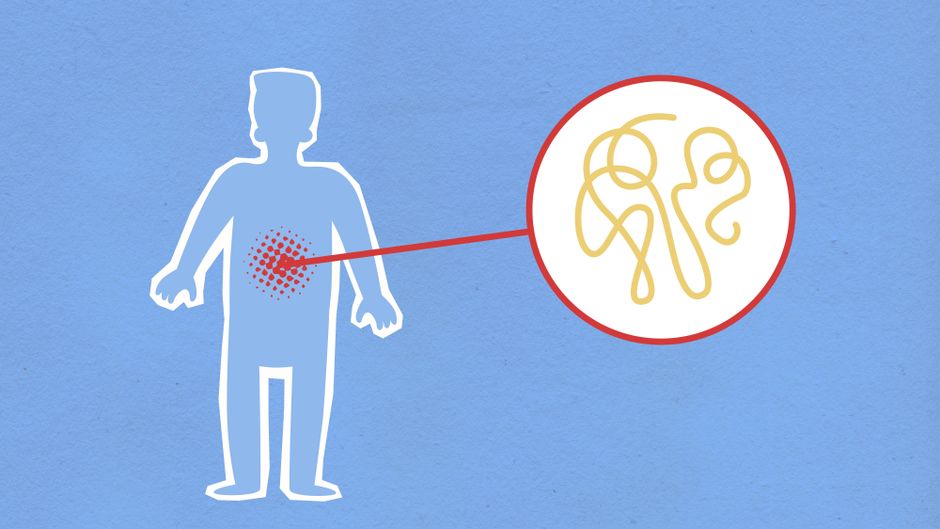
An IBS attack is a sudden flare-up of irritable bowel syndrome symptoms, often bringing intense abdominal pain, cramping, bloating, and sudden changes in bowel habits like diarrhea or constipation. These episodes can last anywhere from a few hours to several days. During an attack, the digestive system becomes hyper-sensitive, and the normal muscle contractions of the intestine become irregular and stronger than usual. Relief typically comes from a combination of immediate comfort measures, over-the-counter medications, and identifying personal triggers to prevent future episodes.
What Does an IBS Attack Feel Like?
An IBS attack feels different for everyone, but the most common experience involves sudden and severe abdominal cramping. The pain often feels like a sharp twist or a deep ache, usually located in the lower belly. Many people describe a strong, urgent need to use the bathroom that can be impossible to ignore.
Bloating is another hallmark symptom. The abdomen may feel tight, swollen, and visibly distended. This happens because gas builds up in the intestines when normal movement is disrupted. Some people also report nausea, a feeling of incomplete emptying after a bowel movement, and mucus in the stool.
The pattern of bowel changes matters. Some people experience diarrhea-predominant attacks, with loose, urgent stools. Others have constipation-predominant attacks, where stool becomes hard and difficult to pass. A third group alternates between both. The type of attack you have often stays consistent, but it can shift over time.
What Causes an IBS Attack?
IBS attacks are not random. They are triggered by specific factors that vary from person to person. The underlying mechanism involves a disruption in the communication between the brain and the gut, a connection known as the gut-brain axis. This miscommunication causes the intestinal walls to contract too strongly or too weakly, and it makes the nerves in the gut overly sensitive to normal digestive activity.
Food is the most common trigger. Certain carbohydrates, known as FODMAPs, are poorly absorbed in the small intestine. When they reach the large intestine, bacteria ferment them rapidly, producing gas and drawing water into the bowel. This can cause bloating, pain, and diarrhea. Common high-FODMAP foods include onions, garlic, wheat, beans, dairy products, and certain fruits like apples and watermelon.
Stress is the second major trigger. The gut has its own nervous system, and emotional stress directly alters how it functions. During stressful periods, the brain releases signals that speed up or slow down intestinal transit. This is why many people experience attacks before big events, during travel, or after an argument.
Other triggers include hormonal changes, particularly in women during their menstrual cycle, poor sleep, and certain medications like antibiotics or nonsteroidal anti-inflammatory drugs. Even skipping meals or eating very large meals can provoke an attack.
How Long Does an IBS Attack Last?
A single IBS attack typically lasts between two and four days, but this varies widely. Some people experience a short burst of symptoms that resolves within hours. Others have a prolonged flare that lingers for a week or more. The duration often depends on how quickly the trigger is removed and how aggressively symptoms are managed.
After the acute symptoms subside, some people feel fatigued or experience lingering discomfort for another day or two. This is normal. The intestines need time to return to their baseline rhythm. If an attack lasts longer than a week without improvement, or if symptoms are severe enough to prevent eating or drinking, medical evaluation is warranted.



What Provides Immediate Relief During an IBS Attack?
When an attack is happening, the goal is to calm the gut and manage pain. Heat therapy is one of the most effective immediate measures. A heating pad or warm water bottle placed on the abdomen relaxes the intestinal muscles and reduces cramping. Apply it for 15 to 20 minutes at a time.
Hydration matters, especially with diarrhea. Water alone is not enough because diarrhea depletes electrolytes. An oral rehydration solution or a sports drink with sodium and potassium helps restore balance. Sip fluids slowly rather than drinking large amounts at once.
Peppermint oil is one of the few natural remedies with solid clinical evidence for IBS. The menthol in peppermint relaxes smooth muscle in the gut, which reduces spasms. Enteric-coated peppermint oil capsules are designed to release in the intestines rather than the stomach, which prevents heartburn. Some studies suggest it can meaningfully reduce abdominal pain during flares.
Over-the-counter medications depend on your dominant symptom. For diarrhea, loperamide can slow bowel movements and reduce urgency. For constipation, a gentle osmotic laxative like polyethylene glycol may help. Antispasmodic medications, which reduce muscle contractions, are available by prescription and can be very effective for cramping, but they should be used under a doctor’s guidance.
Rest is not optional during an attack. Physical activity can worsen cramping by stimulating the gut. Lie down in a comfortable position, avoid tight clothing around the waist, and give your body time to settle.
What Foods Help Stop an IBS Attack?
During an active attack, the goal is to eat foods that are easy to digest and low in fermentation potential. A temporary low-FODMAP approach, even for just a few days, can reduce gas production and give the gut a break.
Safe choices during an attack include white rice, bananas, plain toast, boiled potatoes, and well-cooked carrots. These foods are low in fiber, which means they pass through the intestines without promoting fermentation. Broths and soups are also gentle options that provide hydration and electrolytes.
Avoid high-fiber foods during the acute phase. Raw vegetables, whole grains, nuts, and seeds can all worsen bloating and cramping. Dairy is problematic for many people with IBS because of lactose, so choose lactose-free options or avoid dairy entirely during a flare. Fatty foods slow gastric emptying and can trigger the gastrocolic reflex, which stimulates the colon to empty. Keep meals small and bland.
After the attack resolves, gradually reintroduce higher-fiber foods. Soluble fiber, found in oats, psyllium husk, and peeled fruits, is better tolerated than insoluble fiber from wheat bran and raw vegetables.
Can You Prevent IBS Attacks?
Prevention is more effective than treatment. The foundation of prevention is identifying your personal triggers. Keep a symptom diary that tracks what you eat, your stress levels, your sleep quality, and when attacks occur. After a few weeks, patterns usually emerge.
A low-FODMAP diet is the most evidence-based dietary approach for IBS. The protocol has two phases: a strict elimination phase lasting two to six weeks, followed by a gradual reintroduction phase. The elimination phase should be done with the guidance of a dietitian, because it is restrictive and can lead to nutrient deficiencies if followed long-term. The goal is not to stay on the elimination diet forever, but to identify which specific FODMAPs trigger your symptoms.
Stress management is equally important. Cognitive behavioral therapy and gut-directed hypnotherapy have both shown strong clinical results for IBS. These therapies retrain the brain-gut connection and reduce the sensitivity of the gut to stress. Regular moderate exercise, like walking or swimming, also improves bowel regularity and reduces stress.
Sleep consistency matters more than most people realize. The gut follows a circadian rhythm, and irregular sleep disrupts intestinal motility. Aim for a consistent sleep schedule, even on weekends. Probiotics have mixed evidence for IBS, but some strains, particularly Bifidobacterium infantis, have shown benefit in reducing bloating and pain in clinical trials.
When Should You See a Doctor for IBS Symptoms?
IBS is a diagnosis of exclusion, meaning it is only confirmed after other conditions are ruled out. If you have never been formally diagnosed, see a doctor before assuming your symptoms are IBS. Several conditions, including celiac disease, inflammatory bowel disease, and colon cancer, can mimic IBS symptoms.
Seek immediate medical attention if you experience any of these warning signs: blood in the stool, unexplained weight loss, fever, persistent vomiting, or severe pain that does not improve. These symptoms are not typical of IBS and require urgent evaluation.
If you have a confirmed IBS diagnosis but your symptoms suddenly change pattern, or if your usual treatments stop working, schedule an appointment. Also see a doctor if attacks become more frequent, interfere with daily life, or if you develop nighttime diarrhea that wakes you from sleep. IBS typically does not cause nighttime symptoms, so this is a red flag that warrants investigation.
Frequently Asked Questions
Can an IBS attack cause severe pain that feels like an emergency?
Yes, IBS pain can be intense enough to mimic other conditions, but it is not dangerous by itself. If the pain is accompanied by fever, vomiting, or bleeding, seek emergency care to rule out more serious conditions.
Is it better to eat or fast during an IBS attack?
Eating small amounts of bland, low-fiber food is better than fasting completely. Fasting can trigger stronger gut contractions when you finally eat, which may worsen cramping.
Does stress alone cause IBS attacks?
Stress does not cause IBS, but it is a powerful trigger for attacks in people who already have the condition. Managing stress can reduce the frequency and severity of flares.
Can an IBS attack last for weeks?
An acute attack typically resolves within days, but some people experience a prolonged flare lasting weeks. Persistent symptoms lasting more than a week should be discussed with a doctor.
