
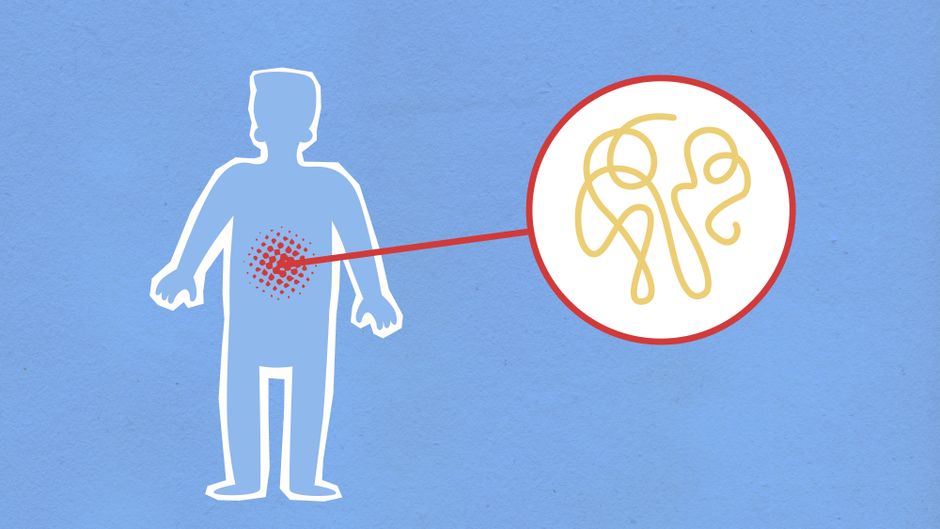
Stomach inflammation, often called gastritis, happens when the lining of your stomach becomes swollen or irritated. The most common symptoms include a gnawing or burning pain in your upper belly, nausea, feeling too full after eating, and bloating. Some people have no symptoms at all, while others develop more serious signs like vomiting blood or black, tarry stools, which need immediate medical attention.
What exactly does stomach inflammation feel like?
The pain from stomach inflammation usually sits in the upper middle part of your abdomen, right below your ribcage. People describe it as a dull ache, a gnawing sensation, or a burning feeling that comes and goes. It might feel better or worse after eating, depending on what caused the inflammation in the first place.
Some people also feel a general sense of discomfort rather than sharp pain. You might feel unusually full after just a few bites of food. Nausea is common, and some people vomit. If the vomiting brings up what looks like coffee grounds or bright red blood, that is a medical emergency. The same goes for black or bloody stools.
Many people with mild gastritis mistake their symptoms for heartburn or indigestion. The difference is that gastritis pain comes from the stomach lining itself, not from acid reflux into the esophagus. Antacids might help briefly, but the discomfort tends to return.
What causes stomach inflammation in the first place?
The most common cause is an infection with H. pylori bacteria. Studies estimate that about half the world’s population carries this bacterium, though most never develop symptoms. When H. pylori does cause problems, it inflames the stomach lining and can lead to ulcers over time.
Regular use of nonsteroidal anti-inflammatory drugs, or NSAIDs, is another major cause. Ibuprofen, naproxen, and aspirin can irritate the stomach lining when taken regularly. The risk increases with higher doses and longer use. Some people are more sensitive than others.
Excessive alcohol consumption can also inflame the stomach lining. Alcohol directly irritates the tissue and increases acid production. Stress used to be blamed for gastritis, but current research suggests stress alone rarely causes it. However, severe physical stress from major surgery, burns, or critical illness can trigger what doctors call stress gastritis.
What are the most common symptoms of stomach inflammation?
Let me walk through the symptoms people actually report in clinical settings, not what you see on social media.
The most frequently reported symptom is epigastric pain, which means pain in the upper middle part of the abdomen. This pain is often described as burning or gnawing. It may improve or worsen with eating. For some people, it wakes them up at night.
Nausea and vomiting come next. Some people feel queasy all the time. Others only feel sick after eating. Vomiting may provide temporary relief, but it does not fix the underlying inflammation.
Bloating and belching are common but less specific. Many conditions cause bloating, so by itself it does not point to gastritis. The same goes for feeling full too quickly during meals. Doctors call this early satiety, and it happens because the inflamed stomach does not stretch as easily as a healthy one does.
Loss of appetite can develop gradually. When eating causes discomfort, people naturally eat less. Over time, this can lead to unintended weight loss. If you are losing weight without trying, that is worth mentioning to your doctor.





How do doctors actually diagnose stomach inflammation?
Doctors start with your history and a physical exam. They will press on your abdomen to feel for tenderness. They will ask about your medication use, alcohol habits, and any family history of stomach problems.
If gastritis seems likely, the next step is often an upper endoscopy. This involves a thin, flexible tube with a camera that goes down your throat into your stomach. The doctor can see the inflammation directly and take small tissue samples for testing.
Blood tests can check for H. pylori antibodies, though this test cannot tell if the infection is current or past. Stool tests are more accurate for active infections. Breath tests are another option. You drink a special solution, then breathe into a bag. The lab measures certain gases that indicate H. pylori is present.
As of 2026, noninvasive testing has improved significantly. Many doctors now start with a stool antigen test rather than immediately recommending endoscopy. Endoscopy is still the gold standard for seeing the actual damage, but it is not always necessary for diagnosis.
Can stomach inflammation heal on its own?
Some cases do resolve without treatment. If the inflammation was caused by a short course of NSAIDs or a single episode of heavy drinking, the stomach lining can repair itself within a few days to weeks. The stomach lining regenerates quickly when the irritant is removed.
However, H. pylori infections do not go away on their own. Without antibiotics, the bacteria stays in your stomach indefinitely. Chronic inflammation from untreated H. pylori increases the risk of developing stomach ulcers and, in rare cases, stomach cancer.
If NSAIDs are the cause, stopping the medication is usually enough. Your doctor can recommend alternative pain relievers that are safer for the stomach, such as acetaminophen. If you need NSAIDs for a medical condition, your doctor may prescribe a protective medication to take alongside them.
Lifestyle changes can help. Reducing alcohol intake, eating smaller meals, and avoiding foods that irritate your stomach can support healing. But if symptoms persist for more than a week or two, see a doctor. Chronic inflammation needs proper treatment, not just home remedies.
What treatments actually work for stomach inflammation?
Treatment depends entirely on the cause. There is no one-size-fits-all approach, and anyone claiming otherwise is oversimplifying.
For H. pylori infections, the standard treatment is a combination of antibiotics and acid-reducing medications. This is called triple therapy or quadruple therapy, depending on how many drugs are used. The antibiotics kill the bacteria, and the acid reducers help the stomach lining heal. Treatment usually lasts 10 to 14 days.
For NSAID-induced gastritis, stopping the NSAID is the first step. Doctors often prescribe proton pump inhibitors, or PPIs, to reduce stomach acid. Common PPIs include omeprazole, lansoprazole, and esomeprazole. These medications are effective but are not meant for long-term use without medical supervision.
For alcohol-related gastritis, abstinence is the main treatment. Acid reducers can help with symptoms while the stomach heals. Most people recover fully within a few weeks if they stop drinking.
Antacids provide quick symptom relief but do not treat the underlying inflammation. They neutralize existing acid but do not reduce acid production. They are fine for occasional use but should not be your main treatment.
| Treatment Type | How It Works | Best For |
|---|---|---|
| Antibiotics | Kill H. pylori bacteria | Bacterial gastritis |
| Proton pump inhibitors | Reduce stomach acid production | All types of gastritis |
| H2 blockers | Reduce stomach acid production (less potent than PPIs) | Mild to moderate gastritis |
| Antacids | Neutralize existing stomach acid | Quick symptom relief only |
| Stopping NSAIDs | Removes the irritant | NSAID-induced gastritis |
When should you worry about stomach inflammation symptoms?
Some symptoms require immediate medical attention. Vomiting blood, whether it looks bright red or like coffee grounds, is serious. Black or tarry stools indicate bleeding in the upper digestive tract. Severe abdominal pain that does not let up could signal a perforated ulcer, which is a medical emergency.
Unexplained weight loss is another red flag. If you are losing weight without trying, especially alongside stomach symptoms, get checked. Persistent vomiting that prevents you from keeping food or water down can lead to dehydration.
Symptoms that last more than two weeks without improvement should also prompt a doctor visit. Mild gastritis usually resolves quickly. If yours is not improving, there may be an underlying cause that needs specific treatment.
Some people report that their symptoms come and go for months or years. This pattern is common with chronic gastritis. It does not mean the condition is harmless, but it is also not necessarily an emergency. Still, chronic inflammation should be evaluated because it can lead to complications over time.
What common mistakes do people make with stomach inflammation?
The biggest mistake is assuming all stomach pain is the same. People treat gastritis like heartburn, which is a different problem. Heartburn comes from acid reflux into the esophagus. Gastritis is inflammation of the stomach lining. They can feel similar but require different approaches.
Another mistake is relying solely on home remedies. Ginger tea, chamomile, and bland diets can help symptoms, but they do not treat the underlying cause. If you have H. pylori, no amount of herbal tea will kill that bacteria. You need antibiotics.
Some people take PPIs for years without medical supervision. Long-term PPI use has been linked to vitamin B12 deficiency, kidney problems, and increased risk of certain infections. These medications are effective but should be used at the lowest effective dose for the shortest necessary duration.
Ignoring symptoms is also common. Many people assume their stomach pain is normal or just stress. Chronic gastritis that goes untreated can lead to complications like stomach ulcers, bleeding, and in rare cases, an increased risk of stomach cancer. Early treatment is simple and effective. There is no benefit to waiting.
Frequently Asked Questions About symptoms of stomach inflammation
Can stomach inflammation cause back pain?
Yes, some people feel referred pain from gastritis in their upper back. This is less common than abdominal pain but does happen.
Does stress alone cause stomach inflammation?
Current research suggests psychological stress alone rarely causes gastritis. Physical stress from surgery or critical illness is a different situation.
How long does stomach inflammation take to heal?
Mild cases heal within a few days to two weeks. Chronic cases or those caused by H. pylori infection may take longer and require specific treatment.
Can stomach inflammation go away without medication?
Some cases do resolve on their own if the cause is temporary, like a single episode of heavy drinking or short-term NSAID use. H. pylori infections require antibiotics.
