
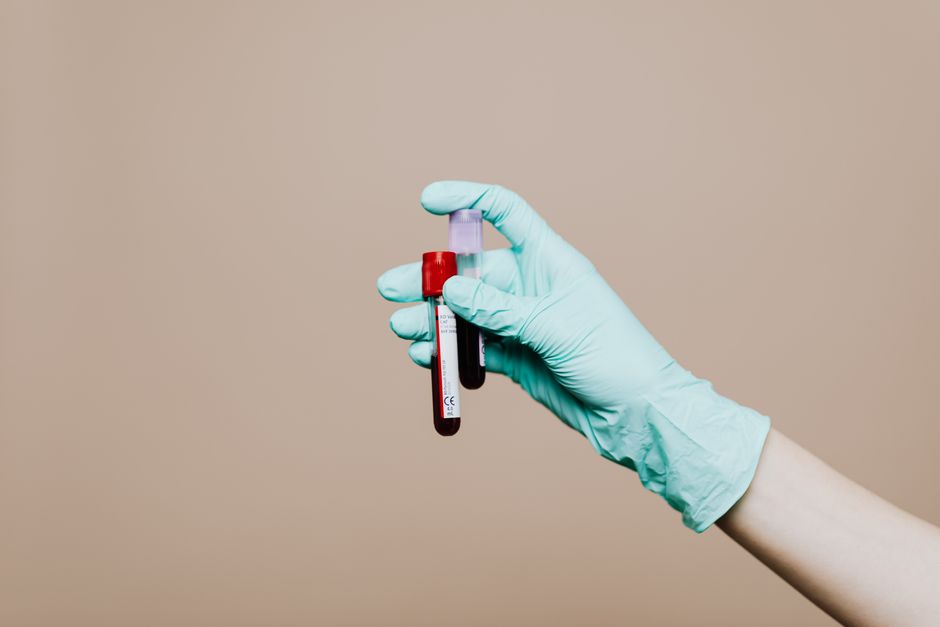
An hCG blood test measures the level of human chorionic gonadotropin, a hormone produced during pregnancy, in your blood. There are two main types: qualitative tests that give a simple yes or no answer, and quantitative tests that measure the exact amount of the hormone. The timing of the test matters because hCG levels rise rapidly in early pregnancy, and the results help doctors confirm pregnancy, monitor its progression, or screen for certain conditions.
What Is hCG and Why Does the Body Produce It?
Human chorionic gonadotropin (hCG) is a hormone made by cells in the placenta. The placenta begins forming shortly after a fertilized egg implants in the uterus. That implantation usually happens about 6 to 10 days after conception.
Once implantation occurs, the developing placenta starts releasing hCG into the bloodstream. The hormone’s main job is to signal the ovaries to keep producing progesterone. Progesterone keeps the uterine lining thick and stable, which is essential for maintaining early pregnancy.
Without hCG, the uterine lining would shed like a normal menstrual period. So the hormone is a key player in supporting pregnancy from the very beginning.
What Are the Two Types of hCG Blood Tests?
Doctors use two different types of hCG blood tests depending on what information they need.
A qualitative hCG blood test checks whether hCG is present in the blood at all. The result is simply “positive” or “negative.” This test is similar to a urine pregnancy test but is done on a blood sample. Doctors may order it when a urine test is unclear or when they need a result quickly.
A quantitative hCG blood test measures the exact amount of hCG in the blood. This test is also called a beta hCG test because it measures the beta subunit of the hormone. The result is a number, such as 250 mIU/mL. This number gives doctors much more information than a simple positive or negative result.
When Should You Get an hCG Blood Test?
Timing depends on why the test is being done. For pregnancy confirmation, a blood test can detect hCG about 8 to 11 days after conception. That is earlier than most urine tests, which usually become positive around the time of a missed period.
For monitoring early pregnancy, doctors often order two quantitative tests about 48 hours apart. This helps them see whether hCG levels are rising at the expected rate. In a healthy early pregnancy, hCG levels typically double every 48 to 72 hours during the first four weeks after implantation.
If a woman is undergoing fertility treatment, the test timing may be planned around the embryo transfer or insemination date. The doctor will provide specific instructions for when to come in for the blood draw.




What Do hCG Blood Test Results Mean?
Normal hCG levels vary widely from person to person. What matters most is the trend over time, not a single number.
In early pregnancy, hCG levels rise quickly. They usually peak around week 8 to 11 of pregnancy, then gradually decline and level off. A single low reading does not necessarily mean a problem. A single high reading does not guarantee a healthy pregnancy either.
Here is a general reference for hCG levels by week of pregnancy. These ranges are broad because normal pregnancies vary significantly:
- 3 weeks: 5 to 50 mIU/mL
- 4 weeks: 5 to 426 mIU/mL
- 5 weeks: 18 to 7,340 mIU/mL
- 6 weeks: 1,080 to 56,500 mIU/mL
- 7 to 8 weeks: 7,650 to 229,000 mIU/mL
- 9 to 12 weeks: 25,700 to 288,000 mIU/mL
These numbers come from general clinical reference ranges. Individual lab ranges may differ slightly.
What If hCG Levels Are Too Low or Rising Slowly?
Low or slowly rising hCG levels can be a sign of a problem, but not always. The pattern matters more than any single reading.
When hCG levels rise more slowly than expected, doctors may consider several possibilities. The pregnancy may be earlier than initially estimated. The dates could simply be off. In other cases, slow-rising hCG can signal an ectopic pregnancy, where the embryo implants outside the uterus, usually in a fallopian tube. Ectopic pregnancy is a medical emergency and requires prompt treatment.
A declining hCG level often indicates a miscarriage. The body is no longer producing enough hormone to sustain the pregnancy. Many early miscarriages happen before a woman even knows she is pregnant.
Doctors will usually repeat the test and may order an ultrasound to get a clearer picture. No single blood test can diagnose these conditions on its own.
What If hCG Levels Are Higher Than Expected?
Higher-than-expected hCG levels can also prompt further investigation. In some cases, the explanation is simple. The pregnancy may be further along than originally thought, or the woman may be carrying twins or more.
In other cases, very high hCG levels can be associated with molar pregnancy. This is a rare condition where abnormal tissue grows in the uterus instead of a viable embryo. It requires medical treatment.
Some ovarian and testicular tumors also produce hCG. This is why hCG can be used as a tumor marker in certain cancers. However, in women of reproductive age, hCG is almost always related to pregnancy.
An ultrasound is the most reliable way to determine what is causing high hCG levels. The doctor will interpret the blood test together with imaging results.
How Accurate Is an hCG Blood Test?
Blood tests for hCG are highly accurate. The quantitative test can detect very small amounts of the hormone, often as low as 1 to 2 mIU/mL.
False positives are rare but possible. Some medications that contain hCG, such as certain fertility treatments, can cause a positive result. Very rarely, certain medical conditions can produce hCG-like substances that interfere with the test.
False negatives are also rare but can happen if the test is done too early, before hCG levels have risen enough to detect. This is why doctors often recommend repeating the test if symptoms persist.
How Is an hCG Blood Test Different From a Urine Test?
Both tests detect the same hormone, but they differ in sensitivity and timing. Blood tests can detect hCG earlier and measure exact levels. Urine tests are simpler, cheaper, and can be done at home, but they only give a positive or negative result.
Urine tests usually become positive around the time of a missed period, which is about 12 to 14 days after conception. Blood tests can detect pregnancy several days earlier.
Doctors rarely use urine tests for monitoring because they cannot show trends. For tracking early pregnancy progression, the quantitative blood test is the standard tool.
Frequently Asked Questions
How long does it take to get hCG blood test results?
Results typically come back within a few hours to 24 hours, depending on the lab. Some hospital labs can provide results the same day.
Can a blood test detect pregnancy before a missed period?
Yes, a quantitative blood test can detect hCG about 8 to 11 days after conception, which is several days before a missed period.
What is a normal hCG level at 5 weeks pregnant?
Normal levels at 5 weeks range from 18 to 7,340 mIU/mL. The wide range reflects normal variation between pregnancies.
Do I need to fast before an hCG blood test?
No, fasting is not required. Food and drink do not affect hCG levels in the blood.
