
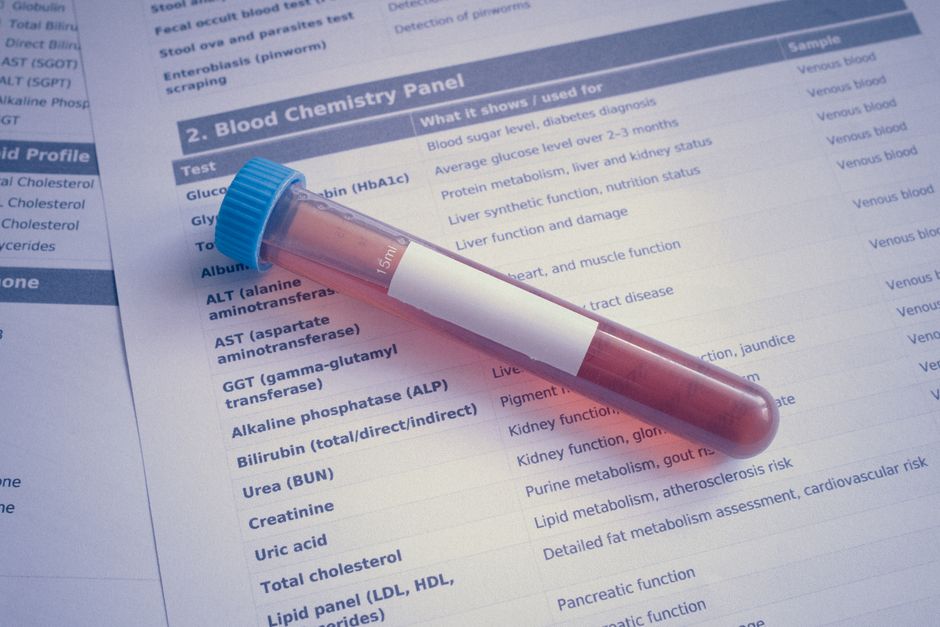
Most routine blood test results come back within 24 to 72 hours, though some tests take longer. A basic metabolic panel or complete blood count drawn at a hospital lab is often ready the same day. Specialized tests, cultures, and genetic panels can take days or even weeks. The turnaround depends less on how fast your blood moves through a machine and more on which tests your doctor ordered.
How Long Do Blood Test Results Usually Take?
For the most common blood tests, expect results in one to three days. That range covers a complete blood count (CBC), a basic metabolic panel, a lipid panel, and a thyroid panel. Many hospital labs run these around the clock and can post results within hours.
Several things push that timeline around:
- Where the sample goes. A hospital lab that runs tests on-site is faster than a sample shipped to an outside reference lab.
- How the result reaches your doctor. The lab may finish in hours, but the result still needs to be reviewed and released to your patient portal.
- Weekends and holidays. Non-urgent tests ordered on a Friday may sit until Monday.
- Whether the test is routine or specialized. Routine chemistry and blood counts are automated. Specialized testing is not.
One practical detail people often miss: the clock that matters to you is not just lab processing time. It is lab time plus provider review plus however your clinic releases results. A test can be finished at 9 a.m. and not appear in your portal until the next afternoon.
Why Do Some Blood Tests Take Longer Than Others?
Speed depends on the method behind the test. Automated analyzers process large volumes of routine tests quickly. Tests that need a human, a culture, or a specialized instrument take longer by design, not because something went wrong.
Here is a general sense of how different categories compare. These are typical ranges, not guarantees. Your lab and your doctor’s workflow can shift them.
| Test category | Typical turnaround |
|---|---|
| Complete blood count (CBC) | Same day to 1 day |
| Basic or comprehensive metabolic panel | Same day to 1–2 days |
| Lipid panel | 1–2 days |
| Thyroid panel (TSH, free T4) | 1–3 days |
| Hemoglobin A1c | 1–3 days |
| Vitamin D, vitamin B12 | 1–3 days |
| Blood culture | Several days |
| Genetic or molecular testing | 1–3 weeks or longer |
Blood cultures are a good example of why time is built in. A culture has to give any organisms present a chance to grow so they can be identified. That process cannot be rushed without losing accuracy.
Genetic tests are slower for a different reason. Many are batched and run in specialized facilities, and some require a genetic counselor to interpret before results are released. No clinical guidelines set a single standard turnaround for every genetic test, because the tests themselves vary so widely.
How Long Results Blood Test Take When You Are in the Hospital
In an emergency or hospital setting, results can come back in minutes to a few hours. When a doctor needs to make a fast decision, the lab runs the test as a “stat” order and reports it immediately rather than waiting for a routine batch.
This is why an emergency room can act on a blood count or electrolyte result within the hour, while the same test ordered at a routine office visit might take a day. The test is identical. The priority attached to it is not.
If you are waiting on results from an urgent care or ER visit, ask whether the test was sent to an outside lab. That single question often explains the delay. An outside lab adds shipping and processing time that an on-site lab does not.





What Can Delay Your Blood Test Results?
Most delays are ordinary and not a sign of a problem. A few causes come up again and again.
- A sample that needs to be redrawn. If a tube was underfilled, clotted, or mislabeled, the lab may reject it and ask for a new draw.
- A result that falls outside the expected range. Labs sometimes repeat an unusual value to confirm it before reporting it.
- A test that was added on. If your doctor adds a test after the initial order, the clock restarts for that test.
- Provider review. Some clinics hold results until the ordering doctor has seen them, especially for results that need a conversation.
- Insurance or authorization steps. This is more common with specialized or genetic testing.
If a result is taking much longer than expected, calling the lab or your doctor’s office is reasonable. Staff can usually tell you whether the test is still processing or waiting on review.
Should You Worry If Your Results Are Delayed?
A delay by itself does not mean something is wrong. Labs and clinics handle thousands of samples, and a slow result is usually a logistics issue rather than a medical one.
That said, there is one situation worth acting on. If you were told a result would be ready by a certain time and it is well past that, follow up. Sometimes a result is flagged for the doctor to call you directly, and the message has not reached you yet. A quick call settles it.
It also helps to know how your clinic releases results. Some post everything to a patient portal as soon as it is final. Others release only after the doctor reviews it. Neither approach is wrong, but they feel very different when you are waiting.
How to Read Your Blood Test Results When They Arrive
Most lab reports list your value next to a reference range. The reference range is the span where most healthy people in a tested group fall. It is a guide, not a verdict.
A value slightly outside the range is common and often not meaningful on its own. Many factors move results a little: hydration, recent meals, time of day, medications, and even how long the tourniquet was on your arm. A single number rarely tells the whole story.
Reference ranges also differ between labs. A result that is “high” at one lab may fall within range at another, because labs set their own ranges based on their equipment and population. This is a real source of confusion for patients comparing results across providers.
What matters most is the pattern over time and how a result fits with your symptoms and history. Your doctor reads the number in context. A number in isolation usually cannot.
How Long Results Blood Test Take for Common Panels
Different panels carry different expectations. Knowing the typical window for each can save you a worried phone call.
- Complete blood count: often same day to one day. It measures red cells, white cells, and platelets.
- Metabolic panel: usually one to two days. It checks electrolytes, kidney function, and blood sugar.
- Lipid panel: typically one to two days. It measures cholesterol and triglycerides.
- Thyroid panel: often one to three days. It measures hormones that regulate metabolism.
- Hemoglobin A1c: usually one to three days. It reflects average blood sugar over the past two to three months.
These are typical windows, not promises. If your doctor ordered several panels at once, the slowest one often sets when the full report is released.
Frequently Asked Questions
How long do blood test results take to come back?
Most routine blood tests come back within 24 to 72 hours. Specialized tests like cultures or genetic panels can take several days to a few weeks.
Can blood test results come back the same day?
Yes, many routine tests run in hospital labs come back the same day. Same-day results are most common when the lab is on-site and the test is automated.
Why are my blood test results taking so long?
Common reasons include a sample sent to an outside lab, a test that needs extra time by design, or results waiting on your doctor’s review. A redraw after a rejected sample can also add days.
Should I call my doctor if my results are delayed?
It is reasonable to call if results are well past the expected window. Staff can usually tell you whether the test is still processing or waiting to be released.
