
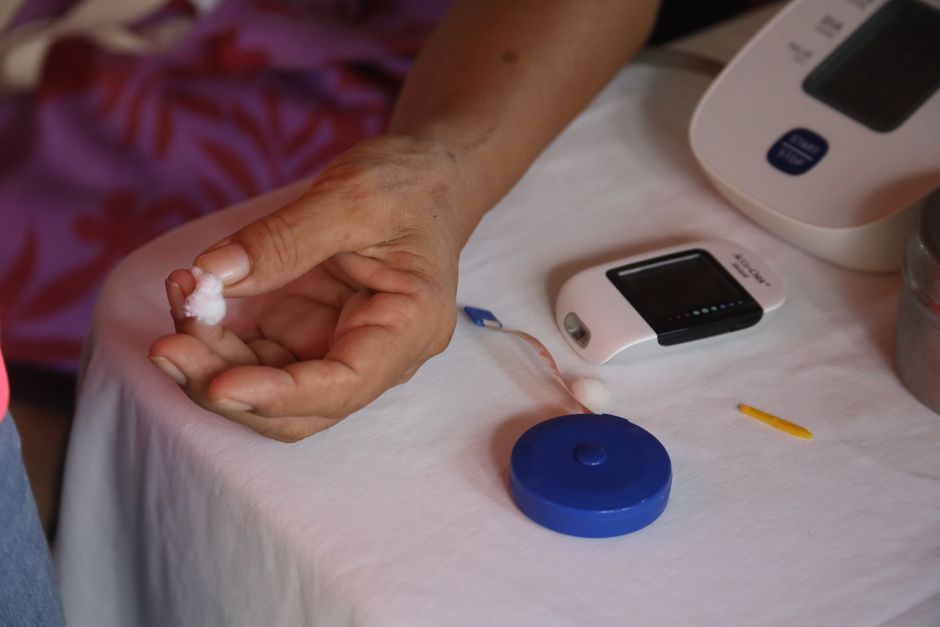
A blood glucose test measures the amount of sugar in your blood at a single moment in time. It is used to screen for and diagnose diabetes and prediabetes, and to help people who already have diabetes manage their condition day to day. There are several types of tests, and what you need to do before each one depends on which test your doctor orders. Results are reported in milligrams per deciliter (mg/dL) in the United States.
What Is A Blood Glucose Test Types Prep Results?
A blood glucose test is a lab or at-home measurement of glucose, the main sugar your body uses for energy. Glucose comes from the food you eat and from stores your liver releases between meals. A hormone called insulin moves glucose out of your bloodstream and into your cells. When that process breaks down, glucose builds up in the blood.
The test itself is simple. A small sample of blood is placed on a test strip or analyzed in a lab, and a machine reads the glucose concentration. What varies is the context: whether you have fasted, whether you drank a sugary solution first, and whether the sample came from a fingertip or a vein.
Glucose testing serves three broad purposes. It can screen people with no symptoms who may be at risk. It can diagnose diabetes or prediabetes. And it can track control in someone already diagnosed.
What Are the Main Types of Blood Glucose Tests?
Four tests cover most clinical situations. Each answers a slightly different question, and each has its own preparation rules.
- Fasting plasma glucose (FPG): A blood draw after you have not eaten for at least 8 hours.
- Random (casual) plasma glucose: A blood draw at any time, regardless of when you last ate.
- Oral glucose tolerance test (OGTT): A fasting blood draw, then a sweet drink, then repeat draws over the next 1 to 2 hours.
- Hemoglobin A1c: A single blood draw that reflects average glucose over roughly the past 2 to 3 months. No fasting needed.
At-home meters and continuous glucose monitors are a separate category. They measure glucose for daily management, not for initial diagnosis. A meter reading from a fingertip is not the same as a lab plasma glucose value, and the two are not directly interchangeable.
How Do You Prepare for a Blood Glucose Test?
Preparation depends entirely on which test is ordered. Getting this wrong can produce a result that has to be repeated or that misleads your doctor.
For a fasting plasma glucose test, you typically need to avoid all food and drink except water for at least 8 hours before the draw. Many labs schedule these first thing in the morning for that reason. Black coffee is a gray area — some labs allow it, some do not. Ask your specific lab rather than assuming.
For an A1c test, no fasting is required. You can eat normally. This is one reason it is often used for screening.
For an OGTT, you fast first, then drink a standardized glucose solution at the lab. You stay there while blood is drawn at set intervals. You generally cannot eat, smoke, or exercise during the test, because all three can shift the result.
For a random glucose test, no preparation is needed at all.
Tell your doctor about every medication and supplement you take before any of these tests. Some drugs, including certain steroids and diuretics, can raise blood glucose. Others can lower it. This is not a reason to stop anything on your own — it is information your clinician needs to interpret the number correctly.


What Do Blood Glucose Test Results Mean?
Result ranges for diagnosis are well established and widely used. The table below reflects standard diagnostic thresholds for non-pregnant adults.
| Test | Normal | Prediabetes | Diabetes |
|---|---|---|---|
| Fasting plasma glucose | 70–99 mg/dL | 100–125 mg/dL | 126 mg/dL or higher |
| 2-hour OGTT | Below 140 mg/dL | 140–199 mg/dL | 200 mg/dL or higher |
| A1c | Below 5.7% | 5.7–6.4% | 6.5% or higher |
For a random plasma glucose, a value of 200 mg/dL or higher alongside classic symptoms such as excessive thirst and frequent urination can support a diabetes diagnosis without a second test.
For the fasting and OGTT tests, a single abnormal result is usually not enough. Diagnosis generally requires confirmation with a second test, either a repeat of the same test on a different day or a different test entirely. The A1c has a similar rule in most cases.
One clarification that surprises people: prediabetes is not a mild version of diabetes. It is a risk category. Some people with prediabetes progress to diabetes, some stay stable for years, and some return to normal ranges, often with weight loss and increased activity. Progression is not inevitable.
Why Is A1c Used Alongside Other Glucose Tests?
A1c measures something the other tests cannot: long-term average glucose. A fasting glucose is one snapshot. A1c reflects glucose exposure over about 2 to 3 months, because it forms when glucose attaches to hemoglobin in red blood cells, which live roughly that long.
That makes A1c useful for tracking control over time. It also makes it convenient, since no fasting is needed.
But A1c has real limitations. It can be inaccurate in people with certain anemias, recent blood loss, kidney disease, or hemoglobin variants such as sickle cell trait. Pregnancy also shifts red blood cell turnover. In those situations, a doctor may rely on fasting or OGTT results instead, or use a different measure.
A1c also does not capture glucose swings. Two people can share the same A1c while having very different daily patterns — one steady, one with wide highs and lows. For someone on insulin, that distinction matters, which is where home monitoring and continuous glucose monitors add information the A1c cannot provide.
When Should You Get Your Blood Glucose Checked?
Screening recommendations come from major clinical bodies, and they have evolved over time. The general direction has been toward earlier and broader screening, particularly for adults with risk factors.
Common risk factors that prompt earlier screening include:
- Being overweight or having obesity
- A parent or sibling with diabetes
- A personal history of gestational diabetes or of delivering a baby over a certain birth weight
- High blood pressure, abnormal cholesterol, or heart disease
- Polycystic ovary syndrome
- Certain racial and ethnic backgrounds with higher diabetes rates, including Black, Hispanic, American Indian, and Asian American populations
- A history of prediabetes
Because specific screening intervals and starting ages have been revised more than once, the most reliable move is to ask your doctor what applies to you rather than relying on a number you read somewhere. If you have symptoms such as unusual thirst, frequent urination, blurred vision, or unexplained weight loss, testing should not wait for a scheduled screening.
What About Home Glucose Meters and CGMs?
Home meters and continuous glucose monitors measure glucose for management, not diagnosis. A fingertip meter reads capillary blood, which can differ from a lab venous draw, and meters are regulated to a wider accuracy margin than lab instruments.
Continuous glucose monitors use a small sensor under the skin that reads glucose in interstitial fluid rather than blood. That fluid lags behind blood glucose, especially when glucose is changing quickly — after a meal or during exercise. This lag is a known characteristic, not a defect, and it is why CGM readings are often confirmed with a fingerstick when a decision depends on the number.
These devices have changed diabetes care substantially, particularly for people on insulin. Whether they help someone not on insulin is an area of active research, and the evidence is still developing. They are not a substitute for a diagnostic lab test.
Does One High Reading Mean Diabetes?
No. A single elevated glucose value is a signal to look further, not a diagnosis on its own. Many things push glucose up temporarily, including acute illness, infection, surgery, severe stress, and certain medications such as corticosteroids.
That is why the diagnostic criteria require confirmation. The exception is a random glucose of 200 mg/dL or higher in someone with clear symptoms, which is generally enough to diagnose without a second test.
If you get one high result, the appropriate next step is a conversation with your doctor about repeat testing, not panic and not dismissal. A number in context means far more than a number alone.
Frequently Asked Questions
Do I need to fast for a blood glucose test?
It depends on the test. Fasting plasma glucose and the oral glucose tolerance test require at least 8 hours without food, while A1c and random glucose tests do not require fasting.
What is a normal fasting blood glucose level?
A normal fasting plasma glucose is 70 to 99 mg/dL. Values from 100 to 125 mg/dL fall in the prediabetes range, and 126 mg/dL or higher on two occasions supports a diabetes diagnosis.
Can I drink water before a fasting blood glucose test?
Plain water is generally allowed and often encouraged before a fasting test. Anything with calories, including coffee with cream or juice, can affect the result, so check with your lab about black coffee.
How accurate are home blood glucose meters?
Home meters are regulated to a wider accuracy margin than laboratory instruments, so a fingertip reading may differ somewhat from a lab value. They are intended for daily management, not for diagnosing diabetes.
