
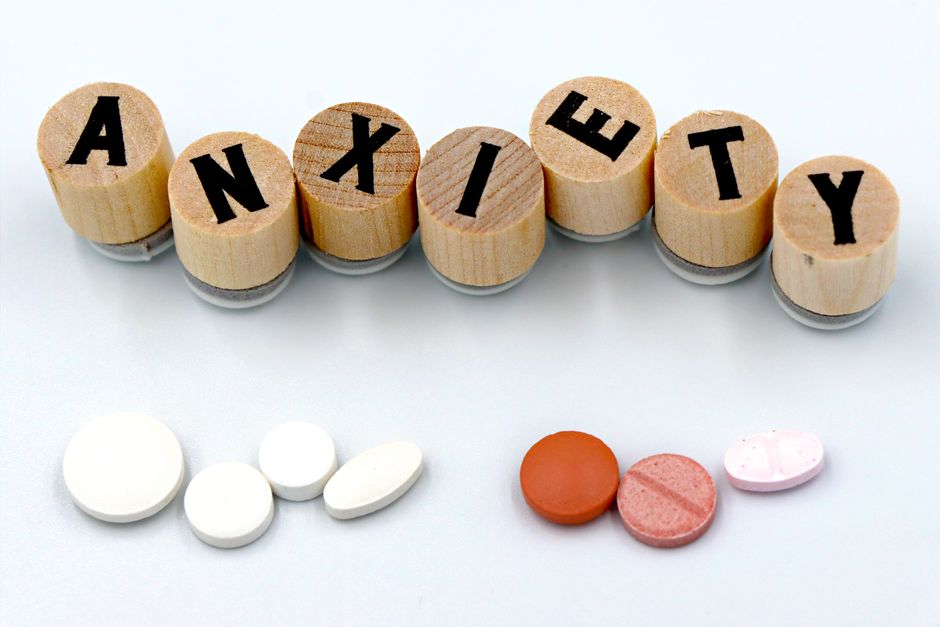
An emotional disorder is a mental health condition that affects how you feel, think, and handle daily life. These conditions go beyond normal sadness or stress – they involve intense emotions that last for weeks or months and interfere with work, relationships, and physical health. The most common types include depression, anxiety disorders, bipolar disorder, and post-traumatic stress disorder (PTSD), each with distinct symptoms like persistent sadness, excessive worry, extreme mood swings, or intrusive traumatic memories.
What Exactly Defines an Emotional Disorder?
Mental health professionals use specific criteria to diagnose emotional disorders. The key factor is that symptoms cause significant distress or impair your ability to function. Normal emotional ups and downs happen to everyone. An emotional disorder is different because the feelings are disproportionate to the situation, last too long, or come without any clear trigger.
Research shows that emotional disorders often involve changes in brain chemistry and structure. The amygdala, which processes fear and stress, can become overactive. The prefrontal cortex, which helps regulate emotions, may show reduced activity. This is not a character flaw or a sign of weakness. It is a medical condition with biological roots.
Current research suggests that about 20% of US adults experience an emotional disorder in any given year. Many people have more than one type at the same time. For example, anxiety and depression occur together in roughly 60% of cases. This overlap makes accurate diagnosis critical for effective treatment.
What Are the Main Types of Emotional Disorders?
Major Depressive Disorder (MDD) involves persistent sadness, loss of interest in activities, changes in sleep and appetite, and feelings of worthlessness. Symptoms must last at least two weeks for a diagnosis. Some studies suggest that inflammation in the body may contribute to depression, though this is still being researched.
Generalized Anxiety Disorder (GAD) means excessive worry about multiple things for six months or more. Physical symptoms include muscle tension, fatigue, and trouble sleeping. The worry feels uncontrollable and out of proportion to actual risks.
Bipolar Disorder involves alternating periods of depression and mania or hypomania. During manic episodes, people may feel euphoric, have racing thoughts, sleep very little, and engage in risky behavior. These mood shifts are not simple mood swings – they last days or weeks and significantly disrupt life.
Post-Traumatic Stress Disorder (PTSD) develops after experiencing or witnessing a traumatic event. Symptoms include intrusive memories, nightmares, avoidance of reminders, negative mood changes, and being easily startled. Not everyone who experiences trauma develops PTSD. Risk factors include the severity of the trauma and lack of social support.
Panic Disorder involves sudden, intense fear attacks that peak within minutes. Physical symptoms include chest pain, heart palpitations, shortness of breath, and a feeling of losing control. Many people with panic disorder worry constantly about having another attack.
| Disorder Type | Key Feature | Typical Duration |
|---|---|---|
| Major Depressive Disorder | Persistent sadness, loss of interest | At least 2 weeks, often months |
| Generalized Anxiety Disorder | Excessive worry about multiple areas | At least 6 months |
| Bipolar Disorder | Mood cycles between depression and mania | Episodes lasting days to weeks |
| PTSD | Intrusive memories after trauma | More than 1 month |
| Panic Disorder | Sudden fear attacks with physical symptoms | Recurrent, with worry about future attacks |
What Symptoms Should You Watch For?
Symptoms vary by disorder, but some warning signs apply across types. Emotional symptoms include feeling sad, empty, or hopeless most of the day. You might feel irritable or angry over small things. Anxiety can feel like constant dread or a sense that something bad is about to happen.
Physical symptoms are common and often overlooked. Headaches, stomach problems, and chronic pain can all be linked to emotional disorders. Sleep changes are nearly universal – either trouble falling asleep, waking too early, or sleeping too much. Appetite changes often follow, with significant weight loss or gain.
Behavioral symptoms matter too. Withdrawing from friends and family is a red flag. Losing interest in hobbies you once enjoyed is another. Some people have trouble concentrating or making decisions. Others feel restless or slowed down. Thoughts of death or suicide require immediate professional help – call 988 for the Suicide and Crisis Lifeline.
A non-obvious insight: Many people with emotional disorders do not recognize their own symptoms. They may think their constant fatigue is just being tired, or their irritability is just stress. This is called anosognosia – a lack of awareness of one’s own condition. It is not denial. It is a brain-based symptom that makes seeking help harder.





What Causes Emotional Disorders?
There is no single cause. Research shows a combination of factors. Genetics play a role – if a close relative has an emotional disorder, your risk is higher. But genes are not destiny. Many people with a family history never develop a disorder.
Brain chemistry matters. Neurotransmitters like serotonin, dopamine, and norepinephrine help regulate mood. When these systems are out of balance, symptoms can appear. This is why medications that affect these chemicals can help some people.
Life experiences are powerful triggers. Trauma, abuse, neglect, or major losses increase risk. Chronic stress from work, finances, or relationships can push someone past their coping limits. The pandemic years saw a significant rise in anxiety and depression diagnoses, which some studies suggest is linked to social isolation and uncertainty.
Physical health conditions also contribute. Thyroid disorders, heart disease, chronic pain, and autoimmune conditions all have higher rates of co-occurring emotional disorders. Inflammation may be a common link, though this area of research is still developing. As of 2026, no single cause explains all cases, which is why treatment must be personalized.
What Treatments Actually Work?
Evidence-based treatments exist and are effective for most people. Psychotherapy, especially cognitive behavioral therapy (CBT), has strong research support. CBT helps people identify and change unhelpful thought patterns and behaviors. For many, 12 to 20 sessions produce meaningful improvement.
Medication is another option. Antidepressants like SSRIs are commonly prescribed for depression and anxiety. Mood stabilizers help with bipolar disorder. These medications do not change your personality. They help bring brain chemistry back toward balance. Some people need to try a few different medications before finding the right one.
Combination treatment – therapy plus medication – often works better than either alone. Research from large studies shows this approach has the highest success rates for moderate to severe depression and anxiety.
Lifestyle changes support recovery but are not replacements for professional treatment. Regular exercise, consistent sleep schedules, and reduced alcohol use all help. Some evidence suggests that omega-3 supplements may have modest benefits for depression, though results are mixed. No supplement replaces therapy or medication.
What does not work? Avoiding treatment entirely. Many people wait years before seeking help, hoping symptoms will pass on their own. Research shows that untreated emotional disorders tend to get worse over time and become harder to treat. Early intervention produces better outcomes.
What Are Common Misconceptions About Emotional Disorders?
One widespread myth is that emotional disorders are just personality flaws. This is not supported by evidence. Brain scans show real physical differences in people with depression and anxiety. The idea that you can “snap out of it” is harmful and inaccurate.
Another myth is that medication changes who you are. Antidepressants do not alter your core personality. They reduce symptoms so your true self can emerge. People often say they feel like themselves again after starting effective treatment.
Some people believe that therapy is only for severe cases. This is false. Therapy helps with mild to moderate symptoms too. Early treatment can prevent mild problems from becoming severe. There is no threshold of suffering you must reach before seeking help.
A third misconception is that children cannot have emotional disorders. They can and do. About 10% of US children and adolescents have a diagnosed emotional disorder. Symptoms in children often look different – irritability instead of sadness, or physical complaints instead of worry. Early recognition and treatment improve long-term outcomes.
Frequently Asked Questions
What is the difference between an emotional disorder and normal mood swings?
Normal mood swings pass quickly and are usually triggered by specific events. Emotional disorders involve intense feelings that last for weeks, happen without clear triggers, and interfere with daily life.
Can emotional disorders go away on their own?
Some mild cases may improve without treatment, but most emotional disorders persist or worsen over time. Professional treatment significantly increases the chance of recovery and reduces the duration of symptoms.
Are emotional disorders genetic?
Genetics increase risk but do not guarantee you will develop a disorder. Having a parent or sibling with an emotional disorder raises your risk by about two to three times compared to the general population.
How long does treatment for emotional disorders usually take?
Most people notice improvement within 4 to 8 weeks of starting treatment, whether therapy or medication. Full recovery often takes several months, and some people benefit from ongoing maintenance treatment to prevent relapse.
