
Early pregnancy is a time of rapid change, and most of what you feel and experience traces back to a surge of hormones. For most people, the first signs appear between week 4 and week 6 of pregnancy, often starting with a missed period. Common symptoms include breast tenderness, fatigue, nausea, and frequent urination, all driven by rising levels of human chorionic gonadotropin (hCG), estrogen, and progesterone. While the embryo is still tiny—about the size of a poppy seed at week 4—the body is already building the placenta and laying the foundation for the baby’s brain, spine, and heart.
What Are the Earliest Signs of Pregnancy?
The first reliable sign of pregnancy is a missed period. If your cycle is regular, missing a period is often the first clue. But some people notice symptoms even before that, usually around the time of implantation, which happens about 6 to 12 days after conception.
Implantation bleeding is one of the earliest possible signs. It is light spotting that occurs when the fertilized egg attaches to the uterine lining. This spotting is usually pink or brown, lasts a day or two, and is much lighter than a normal period. Not everyone experiences it, and it does not happen for every pregnancy.
Other early signs can include breast tenderness or swelling, mild cramping, and a sudden sensitivity to smell. These symptoms are caused by rising hormone levels and increased blood flow to the pelvic area. They can feel similar to premenstrual syndrome, which is why early pregnancy is easy to mistake for an approaching period.
What Happens Week by Week in the First Trimester?
Pregnancy is typically dated from the first day of your last menstrual period, so week 1 and week 2 are not actually pregnancy yet. Conception usually happens around week 2 or 3. By week 4, the embryo has implanted and hCG levels are high enough to be detected by a home pregnancy test.
At week 5, the embryo is about the size of a sesame seed. The neural tube—which becomes the brain and spinal cord—is forming. The heart begins to develop and may start beating around this time, though it is not audible yet.
By week 6, the embryo is about a quarter of an inch long. Facial features are starting to form, and tiny buds that will become arms and legs are appearing. The heart is beating regularly, and blood is beginning to circulate. Many people start feeling nausea around this time, often called morning sickness, though it can occur at any time of day.
Week 7 to week 8 brings rapid growth. The embryo is now about half an inch long. Fingers and toes are beginning to form, and the brain is developing rapidly. The intestines are forming, and the lungs are beginning to take shape. Fatigue often peaks during these weeks because the body is working hard to build the placenta.
By week 9 to week 10, the embryo is now a fetus. It is about an inch long and weighs less than a gram. Major organs are in place, though they are not fully mature. The external genitals are forming, but it is usually too early to see them on an ultrasound. By week 12, the fetus is about two inches long, and the risk of miscarriage drops significantly.
Why Does Morning Sickness Happen?
Morning sickness affects up to 80 percent of pregnant people, making it one of the most common early pregnancy symptoms. It usually begins around week 6 and peaks around week 9 or 10. For most people, it resolves by week 14 to week 16.
The exact cause is not fully understood, but it is closely linked to rising hCG and estrogen levels. The digestive system also slows down during pregnancy because progesterone relaxes smooth muscle. This means food stays in the stomach longer, which can contribute to nausea.
Despite the name, morning sickness can strike at any hour. Eating small, frequent meals, avoiding empty stomachs, and staying hydrated can help some people. Ginger and vitamin B6 have some evidence of benefit, but you should talk to a clinician before taking any supplement during pregnancy.
Severe, persistent vomiting is different. This condition, called hyperemesis gravidarum, affects about 1 to 2 percent of pregnancies. It can lead to dehydration and weight loss and requires medical attention. If you cannot keep fluids down for more than 24 hours, contact your healthcare provider.


What Is Happening to Your Body in the First Trimester?
Your body is doing more than growing a baby. Blood volume increases by about 30 to 50 percent during pregnancy, and this expansion begins in the first trimester. Your heart rate also rises slightly to move that extra blood.
Hormones cause the ligaments in your pelvis to relax, which prepares the body for childbirth later. This same relaxation can cause mild pelvic discomfort or a feeling of heaviness in early pregnancy. It is normal, but if pain is severe or one-sided, it should be evaluated.
Progesterone slows down the entire digestive tract. This can cause bloating, constipation, and acid reflux. The urinary system is also affected. The kidneys filter more blood, and the growing uterus presses on the bladder, leading to frequent urination. This symptom often eases in the second trimester as the uterus rises out of the pelvic cavity, then returns in the third trimester when the baby drops lower.
Fatigue in early pregnancy is not just in your head. Progesterone has a sedative effect, and the body is redirecting enormous energy toward placental development. Resting when you feel tired is not a luxury; it is a physiological need during these weeks.
What Happens In Early Pregnancy Symptoms And Development: When to See a Doctor
Some symptoms warrant a call to your healthcare provider. Heavy bleeding that soaks a pad within an hour, severe abdominal or shoulder pain, and fever above 100.4°F all require immediate medical evaluation. A sudden loss of pregnancy symptoms can also be concerning, though it can be normal as hormone levels stabilize.
Mild cramping and light spotting are common in early pregnancy, especially in the first few weeks. But any bleeding that becomes heavy, or cramping that becomes severe or persistent, should be checked. Ectopic pregnancy—where the embryo implants outside the uterus—is rare but serious, and it can cause sharp pelvic pain and bleeding.
If you have a chronic condition such as diabetes, high blood pressure, or thyroid disease, you should see your clinician as soon as you suspect pregnancy. Early prenatal care helps manage these conditions and reduces risks to both you and the baby.
For most healthy people, the first prenatal visit happens around week 8 to week 10. That visit typically includes a confirmation of pregnancy, blood tests, an ultrasound, and a discussion of what to expect in the coming months.
What Can You Do About Early Pregnancy Symptoms?
There is no way to prevent early pregnancy symptoms entirely, and you should not try to suppress them with medication without medical advice. But several strategies can make the first trimester more comfortable.
For nausea, eating a few saltine crackers before getting out of bed can help settle the stomach. Small, frequent meals keep blood sugar stable and prevent the stomach from becoming completely empty. Cold foods often smell less strongly than hot foods, which can help if smells trigger nausea.
For fatigue, prioritize sleep. Going to bed earlier and taking short naps during the day can help. Mild exercise, such as walking, can also boost energy levels, though you should check with your provider before starting a new exercise routine.
For breast tenderness, a supportive bra can make a significant difference. Many people find that wearing a soft cotton bra at night reduces discomfort. For frequent urination, do not reduce fluid intake—hydration is essential—but you can limit fluids in the hour before bed.
What Should You Avoid in Early Pregnancy?
Alcohol should be completely avoided during pregnancy. No safe level of alcohol consumption during pregnancy has been established. The same applies to recreational drugs and most over-the-counter medications unless a clinician has approved them.
Certain foods carry higher risks during pregnancy. Raw or undercooked meat, unpasteurized dairy products, and raw fish should be avoided because of the risk of foodborne illness. High-mercury fish such as shark, swordfish, and king mackerel should also be avoided. Deli meats should be heated until steaming before eating, as they can carry listeria.
Caffeine is a gray area. Moderate caffeine intake—generally considered up to 200 milligrams per day, about one 12-ounce cup of coffee—appears to be safe, but the evidence is not definitive. If you are uncertain, discuss your caffeine intake with your healthcare provider.
Retinoids, found in some acne medications and skincare products, are known to cause birth defects. Isotretinoin (Accutane) is strictly contraindicated during pregnancy. If you use any prescription skincare, review it with your clinician as soon as you learn you are pregnant.
Frequently Asked Questions
Can you feel pregnancy symptoms before a missed period?
Yes, some people notice breast tenderness, fatigue, or mild cramping before a missed period, usually starting around the time of implantation, which is 6 to 12 days after conception. These symptoms are caused by rising progesterone and estrogen and can feel similar to PMS.
How soon can a home pregnancy test detect pregnancy?
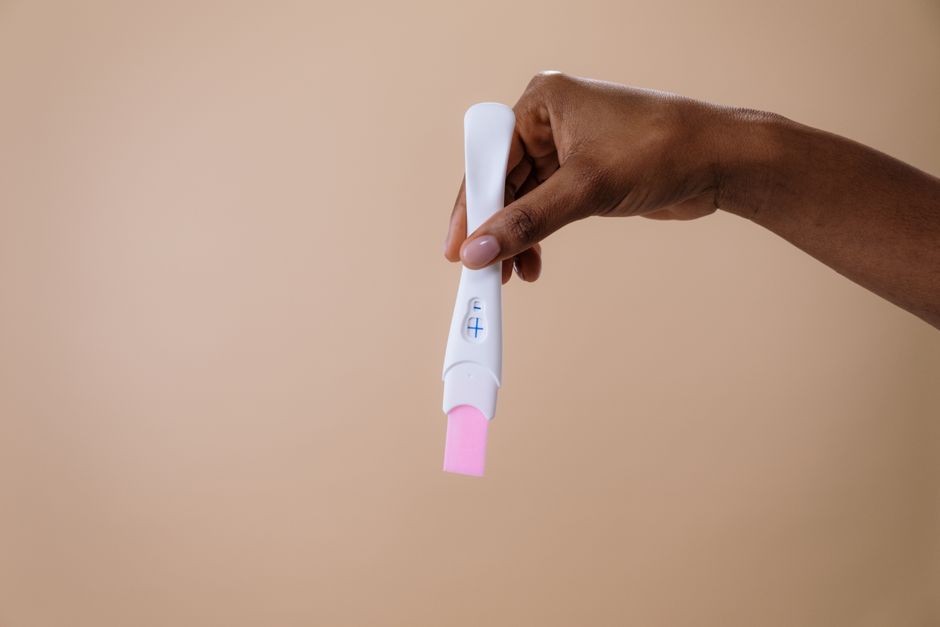
Most home pregnancy tests can detect hCG about 12 to 14 days after conception, which is around the time of a missed period. Testing too early can produce a false negative because hCG levels may still be too low to detect.
Is it normal to have no symptoms in early pregnancy?
Yes, some people have very few or no symptoms in the first trimester and still have a healthy pregnancy. Symptom intensity varies widely between individuals and even between pregnancies.
When does morning sickness typically start and end?
Morning sickness usually begins around week 6 and peaks around week 9 or 10, resolving for most people by week 14 to week 16. A small number of people experience nausea throughout the entire pregnancy.
