
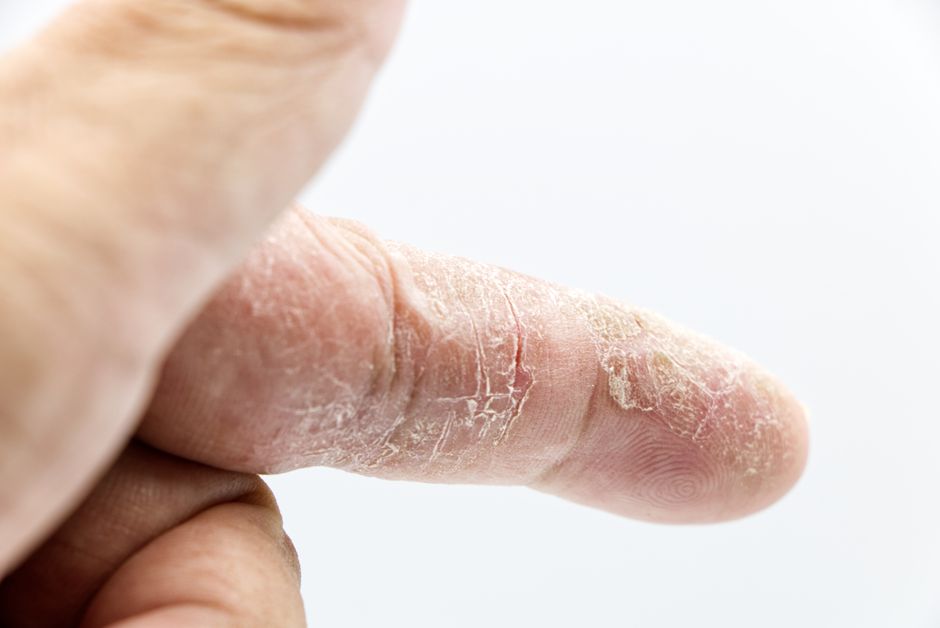
“AK” in dermatology most often stands for actinic keratosis. It is a rough, scaly patch on skin that has been damaged by ultraviolet radiation from the sun or tanning beds. Actinic keratoses are considered the earliest stage in a process that can sometimes lead to a type of skin cancer called squamous cell carcinoma. Dermatologists take them seriously for that reason, even though most individual AKs never become cancer.
The abbreviation can mean other things in medicine, so context matters. In a dermatology note, though, AK almost always means actinic keratosis. This article covers what AKs are, what causes them, how they are treated, and how to lower your risk.
What Is An Ak In Dermatology? Causes And Treatment
An actinic keratosis is a lesion that forms when skin cells called keratinocytes accumulate genetic damage from ultraviolet light. The word “actinic” refers to radiation, and “keratosis” refers to the thickened, scaly keratin that builds up on the surface.
Under a microscope, the cells in an AK show abnormal growth patterns. They are not fully cancerous, but they are not normal either. Dermatologists sometimes describe them as “precancerous” or “premalignant.” That label captures the idea that the tissue has taken a step toward cancer without becoming cancer.
These lesions usually appear on areas that get the most sun:
- Face, especially the nose, cheeks, and forehead
- Scalp, particularly in people with thinning hair
- Ears and lips
- Backs of the hands and forearms
- Neck and upper chest
An AK often feels easier to detect by touch than by sight. Many people describe a rough, sandpaper-like spot they can feel but barely see. They may be skin-colored, pink, red, or brown. Some itch, sting, or bleed when scratched.
The scale can come and go. An AK may flatten and seem to disappear for weeks, then return. This waxing and waning pattern is common and does not mean the lesion is harmless.
How Common Are Actinic Keratoses?
Actinic keratoses are the most common skin condition dermatologists treat, and they are strongly tied to lifetime sun exposure. People with fair skin, light eyes, and a history of sunburns are at highest risk. The risk climbs with age because UV damage accumulates over decades.
Living in a sunny climate, working outdoors, or using tanning beds raises risk further. So does having a weakened immune system, whether from a medical condition or from medications that suppress immunity. Organ transplant recipients, for example, develop AKs far more often than the general population.
AKs are uncommon in people with deeply pigmented skin, but they are not impossible. When they do occur in darker skin, they are more likely to be missed because they can look like other spots.
Do Actinic Keratoses Turn Into Skin Cancer?
Most actinic keratoses do not become cancer. That is the honest starting point, and it is important. But some do, and there is no reliable way to know in advance which ones will.
The cancer they are linked to is squamous cell carcinoma, or SCC. SCC is the second most common form of skin cancer. It is usually treatable when caught early, but it can grow, spread, and in rare cases become life-threatening.
Dermatologists treat AKs partly because of this uncertainty. Removing them lowers the chance that any one lesion will progress. It does not eliminate the risk entirely, because a person with AKs usually has sun-damaged skin in many places, and new lesions can appear over time.
Certain features raise concern and warrant prompt evaluation. These include a lesion that grows quickly, becomes a firm bump or nodule, bleeds without injury, or develops an open sore that will not heal. Any of these changes should be checked by a clinician.




How Are Actinic Keratoses Diagnosed?
Most actinic keratoses are diagnosed by visual and tactile examination. A dermatologist looks at the lesion and feels its texture. In many cases, that is enough to make the call.
Sometimes a skin biopsy is needed. A biopsy removes a small sample of tissue and sends it to a lab for examination under a microscope. This is done when the lesion looks thicker than a typical AK, when it does not respond to treatment, or when the clinician suspects it may already be skin cancer.
Distinguishing an AK from early squamous cell carcinoma can be difficult, even for experienced clinicians. That overlap is one reason treatment is often recommended rather than watchful waiting.
How Are Actinic Keratoses Treated?
Treatment depends on how many lesions there are, where they are, and how much sun-damaged skin surrounds them. There is no single best approach, and clinicians weigh several factors when choosing.
Treating individual lesions
When only a few spots are present, they may be removed one at a time. Options include:
- Cryotherapy — freezing the lesion with liquid nitrogen. This is one of the most common treatments for isolated AKs.
- Curettage — scraping the lesion away with a small instrument.
- Laser therapy — using focused light to remove damaged tissue.
Treating field damage
Many people have not just one AK but a whole area of sun-damaged skin with multiple lesions and invisible damage between them. This is called “field cancerization.” In these cases, treating the entire area may work better than treating spot by spot.
Field treatments are applied to a broader area of skin and include:
- Topical creams or gels prescribed by a clinician, applied over a period of weeks
- Photodynamic therapy — a light-sensitizing agent is applied, then activated with a specific light
- Chemical peels using prescription-strength agents
These field treatments can cause redness, peeling, and discomfort during use. The reaction is part of how they work, but it can be significant. A clinician can explain what to expect.
Treatment does not prevent new AKs from forming later. People with a history of AKs generally need ongoing skin checks, often once a year or more often depending on their history.
How Can You Lower Your Risk?
Because UV radiation causes actinic keratoses, reducing UV exposure is the main way to lower risk. This applies to everyone, but especially to people who already have AKs or a history of skin cancer.
- Use broad-spectrum sunscreen with a sun protection factor (SPF) of 30 or higher. Apply it generously and reapply every two hours during sun exposure, and after swimming or sweating.
- Seek shade during the middle of the day, when UV rays are strongest.
- Wear protective clothing, a wide-brimmed hat, and sunglasses.
- Avoid tanning beds. UV exposure from tanning devices damages skin the same way sunlight does.
- Check your own skin regularly and see a dermatologist for any new or changing spots.
Some research suggests that certain treatments, including topical retinoids and nicotinamide (a form of vitamin B3), may reduce the number of new AKs in people at high risk. The evidence here is mixed, and these are not universal recommendations. Anyone considering them should discuss it with a clinician rather than starting on their own.
What Is The Outlook For Someone With Actinic Keratoses?
The outlook is generally good when AKs are monitored and treated. Most lesions are managed without becoming cancer, and when squamous cell carcinoma is caught early, it is usually curable.
The bigger picture is that AKs signal meaningful sun damage. That damage does not go away, and it raises the risk of future skin cancers, including basal cell carcinoma and melanoma, not only SCC. This is why regular skin checks matter for the long term, not just for the current lesions.
It also means that treating an AK is not the end of the story. People with a history of AKs are usually advised to keep protecting their skin and to stay in contact with a dermatologist for ongoing surveillance.
When Should You See A Dermatologist?
See a dermatologist if you notice a new rough or scaly spot, especially on sun-exposed skin. Also seek care if an existing spot changes in size, shape, color, or texture, or if it bleeds, itches, or forms a sore that does not heal.
People with a history of skin cancer, a weakened immune system, or many AKs may need more frequent checks. A dermatologist can recommend a schedule based on individual risk.
It is worth remembering that AKs are common and treatable. Finding them early gives more options and better outcomes. Self-checks and regular professional exams are the practical tools that make early detection possible.
Frequently Asked Questions
Is an actinic keratosis the same as skin cancer?
No. An actinic keratosis is considered a precancerous lesion, not cancer, though it can sometimes progress to squamous cell carcinoma. Dermatologists treat them because that progression cannot be predicted for any single spot.
Can actinic keratoses go away on their own?
Some AKs flatten or seem to disappear for a time, but the underlying cell damage usually remains. Because they can return and some may progress, most clinicians recommend treatment rather than waiting.
How often should actinic keratoses be checked?
There is no single schedule for everyone. People with a history of AKs or skin cancer are often advised to have skin checks once a year or more often, based on their individual risk.
Does sunscreen prevent actinic keratoses?
Regular sunscreen use lowers the risk of new AKs by reducing UV damage, though it does not erase damage already done. People who already have AKs still benefit from consistent sun protection.
