
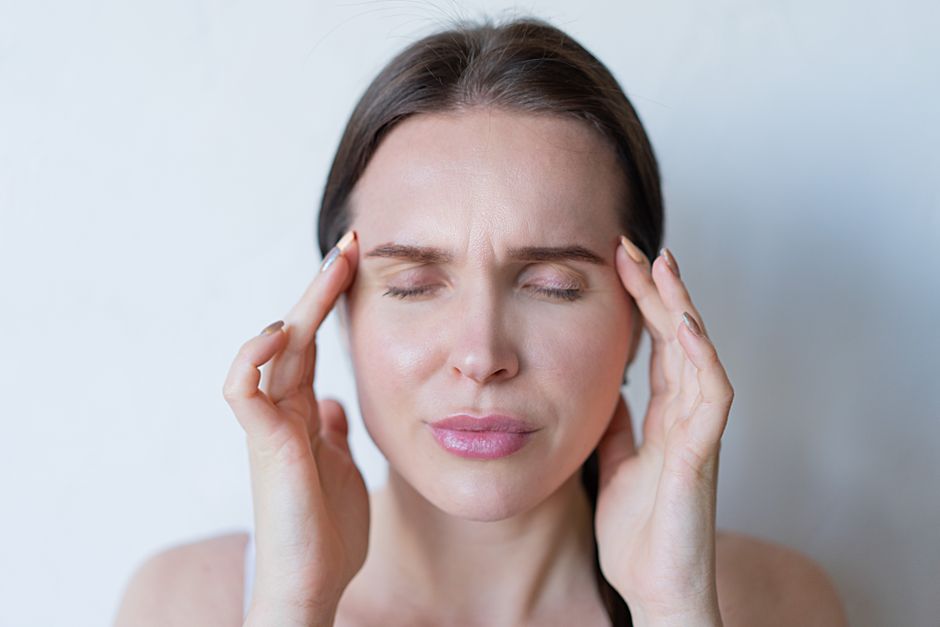
An epileptic headache is a headache that occurs as a direct symptom of a seizure, either before, during, or after the abnormal electrical activity in the brain. Unlike a typical migraine or tension headache, this type of headache is neurologically linked to the seizure itself, not a separate condition. Treatment focuses on controlling the underlying seizure disorder with anti-seizure medications, while the headache itself is managed with specific pain relief strategies that your doctor must approve.
What Is An Epileptic Headache Symptoms And Treatment
Epileptic headaches are a specific and often misunderstood type of seizure-related event. The headache is not just a random coincidence with a seizure. It is a direct symptom of the seizure activity itself. The medical term for this is an “ictal headache,” meaning it is part of the seizure event. These headaches can happen before the seizure (pre-ictal), during the seizure (ictal), or after the seizure (post-ictal). Each phase has different characteristics and treatment implications.
Because the brain’s electrical system is misfiring, the pain pathways become activated. This is why the headache feels different from a standard tension headache. The pain is often sudden, severe, and may be accompanied by other neurological symptoms like visual changes or confusion. Recognizing these headaches is critical because they are often mistaken for migraines, which leads to delayed epilepsy diagnosis and treatment.
What Does An Epileptic Headache Feel Like?
The sensation of an epileptic headache varies depending on when it occurs relative to the seizure. A pre-ictal headache acts as a warning sign. Patients often describe it as a dull, throbbing pain that builds over minutes or hours before the seizure hits. This is your brain’s early warning system, though not everyone experiences it.
An ictal headache occurs at the same time as the seizure. The pain is typically intense and sharp. It may be localized to one side of the head or spread across the entire head. Because the seizure is actively disrupting brain function, this headache is often accompanied by other symptoms like jerking movements, staring spells, or loss of awareness.
Post-ictal headaches are the most common. After the seizure ends, the brain is recovering from the electrical storm. This headache is often described as a severe, generalized throbbing pain. It can last for hours or even a full day. The pain is frequently worse than a typical migraine and is resistant to standard over-the-counter pain relievers.
How Is An Epileptic Headache Different From A Migraine?
Distinguishing between an epileptic headache and a migraine is one of the most challenging tasks for neurologists. The symptoms overlap significantly. Both conditions can cause severe throbbing pain, nausea, and sensitivity to light and sound. However, there are key differences in the mechanism and associated symptoms.
Migraines are caused by changes in blood flow and nerve signaling in the brain. They are a neurological disorder on their own. Epileptic headaches are caused by abnormal electrical discharges. The most telling difference is the presence of seizure activity. If you experience involuntary muscle jerks, loss of consciousness, or a blank stare with your headache, it is more likely related to epilepsy.
Another distinguishing factor is the response to medication. Migraine medications, particularly triptans, are specifically designed to target migraine pathways. They often have little effect on epileptic headaches. Conversely, anti-seizure medications can prevent epileptic headaches but are not typically used as first-line migraine treatments. If your headaches do not respond to standard migraine treatment, you should discuss the possibility of a seizure disorder with your doctor.




What Causes An Epileptic Headache?
The root cause of an epileptic headache is abnormal electrical activity in the brain. During a seizure, neurons fire in an uncontrolled, synchronized manner. This disrupts normal brain function and activates pain pathways. The specific brain regions involved determine the type and location of the headache.
For example, if the seizure activity originates in the occipital lobe (the visual processing center at the back of the brain), the headache is often accompanied by visual disturbances like flashing lights or temporary vision loss. If the activity spreads to the trigeminal nerve system, which is responsible for facial sensation, it can trigger severe facial and head pain.
It is also important to note that not all seizures cause headaches. The connection depends on the seizure type and the individual’s brain structure. Some people are genetically predisposed to both epilepsy and migraines, which complicates the picture. In these cases, the headache may be a migraine triggered by the stress of a seizure, rather than a direct symptom of the seizure itself.
How Is An Epileptic Headache Diagnosed?
Diagnosing an epileptic headache requires a comprehensive neurological evaluation. The process typically starts with a detailed description of your symptoms. Your doctor will ask specific questions about the timing of the headache, what it feels like, and whether you have any loss of awareness or unusual movements.
The gold standard for diagnosis is an electroencephalogram (EEG). This test records the electrical activity of your brain. If abnormal spikes or waves are detected, it confirms the presence of seizure activity. In some cases, a long-term EEG monitoring over several days is needed to capture the specific event where the headache and seizure occur together.
Brain imaging, such as an MRI, is also commonly used. This helps rule out structural issues like tumors, scar tissue, or blood vessel abnormalities that could be causing the seizures. A clear diagnosis is essential because the treatment for epilepsy is vastly different from the treatment for migraines.
What Are The Treatment Options?
Treatment for epileptic headaches is twofold: control the seizures and manage the pain. The primary goal is always seizure control. When seizures are well-controlled, the frequency and intensity of the headaches typically decrease significantly.
Anti-seizure medications are the mainstay of treatment. Medications like levetiracetam, lamotrigine, and valproate are commonly prescribed. Because these medications work on the electrical system of the brain, they address the root cause of the headache. You must take them consistently, even when you feel fine, to maintain steady drug levels in your blood.
For the headache pain itself, standard pain relievers like ibuprofen or acetaminophen are often insufficient. Some doctors prescribe specific pain medications that target neuropathic pain, such as certain antidepressants or anti-inflammatory drugs. However, you should never take migraine-specific drugs like triptans without your doctor’s approval, as they can interact with anti-seizure medications.
When Should You See A Doctor?
You should seek medical evaluation if you experience a headache accompanied by any signs of seizure activity. These signs include involuntary jerking, confusion, staring spells, or loss of consciousness. A headache that occurs while you are already diagnosed with epilepsy should also be reported, especially if it represents a change in your usual pattern.
Seek emergency care if a headache is sudden and explosive, reaching maximum intensity within seconds or minutes. This could indicate a more serious condition like a brain hemorrhage. Similarly, if a headache is accompanied by a stiff neck, high fever, or difficulty speaking, you need immediate medical attention. These are not typical epileptic headache symptoms and require urgent evaluation.
Can Lifestyle Changes Help?
While medications are the primary treatment, certain lifestyle factors can influence seizure frequency and headache severity. Sleep deprivation is one of the most powerful triggers for seizures. Maintaining a consistent sleep schedule is critical. Missing sleep can lower your seizure threshold, making an epileptic headache more likely.
Stress management also plays a role. High stress levels can trigger seizures in some people. Techniques like mindfulness, meditation, and regular physical activity can help regulate the nervous system. However, these strategies are complementary, not replacements for medication. You should never stop taking your anti-seizure drugs in favor of lifestyle changes alone.
Keeping a detailed headache and seizure diary is a practical tool. Record the date, time, duration, and quality of the headache, along with any seizure activity. This information helps your doctor identify patterns and adjust your treatment plan effectively.
Frequently Asked Questions
Can a headache be the only symptom of a seizure?
Yes, in rare cases, a headache can be the sole manifestation of a seizure, known as a pure ictal headache. This is difficult to diagnose and typically requires an EEG to confirm the underlying electrical abnormality.
Are epileptic headaches dangerous?
They are not directly life-threatening, but they signal uncontrolled seizure activity, which carries risks. Seizures can lead to falls, accidents, or status epilepticus, a prolonged seizure emergency.
Can migraines cause seizures?
Rarely, a condition called migralepsy involves a migraine that triggers a seizure. This is a distinct and uncommon phenomenon that requires specialist evaluation to differentiate from an epileptic headache.
Will the headache go away if my epilepsy is treated?
For most people, yes. When anti-seizure medications successfully control the seizures, the associated headaches typically stop or become much less frequent. Post-ictal headaches may still occur after breakthrough seizures.
