
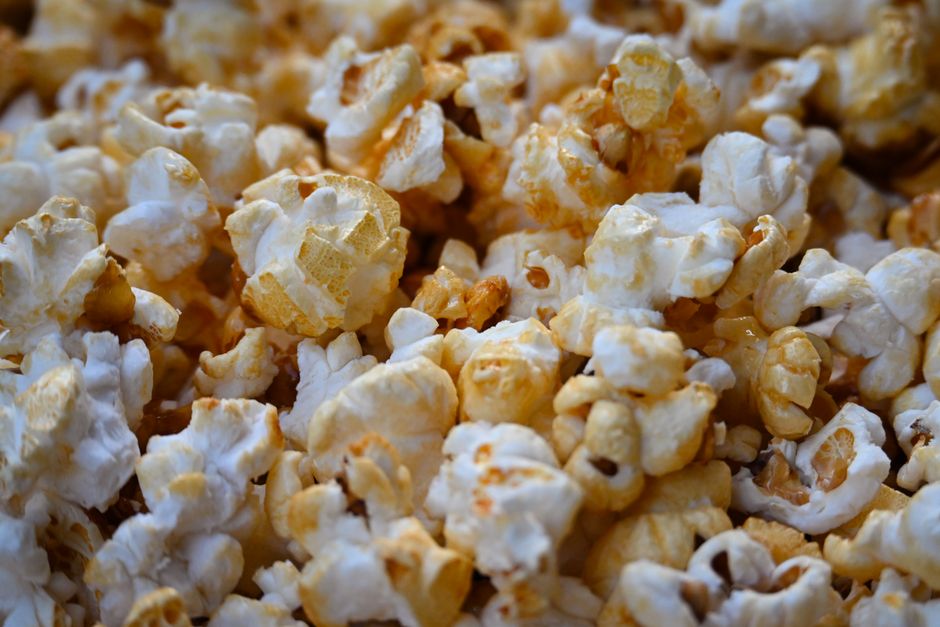
Air popped popcorn is popcorn made by heating kernels with hot air instead of oil. No oil is used in the popping process. The result is a light, fluffy snack that is significantly lower in calories and fat than oil-popped or microwave popcorn. A single cup of air popped popcorn has about 31 calories and less than 1 gram of fat. That makes it one of the lowest-calorie whole grain snacks you can eat. This article explains what it is, how it compares to other types of popcorn, and what the research really says about its health effects.
How Is Air Popped Popcorn Made?
An air popper is a small kitchen appliance. You pour popcorn kernels into a chamber at the top. The machine heats air to around 400–460 degrees Fahrenheit and blows it through the kernels. The hot air circulates rapidly, causing the moisture inside each kernel to turn to steam. When the pressure builds enough, the kernel explodes and pops. The popped corn then shoots out of a chute into a bowl.
No oil is added during this process. That is the key difference from stovetop or microwave popcorn. The kernel’s own moisture and the hot air do all the work. Some people also make air popped popcorn in a paper bag in the microwave. You place kernels in a plain brown paper bag, fold the top, and microwave on high for 2–3 minutes. This method also uses no oil and produces similar results to a machine.
Commercial air poppers range from about $20 to $50. They are simple machines with few moving parts. A basic model will last for years with regular use. The only maintenance is wiping out the popping chamber after each use. Some models have a measuring cup on top that doubles as a butter melter, but that is optional.
What Is Air Popped Popcorn Compared to Oil Popped?
This is the most important comparison for anyone watching their calories or fat intake. The difference is not small. It is substantial. One cup of oil-popped popcorn made with coconut or vegetable oil has about 55 calories and 3 grams of fat. One cup of air popped popcorn has about 31 calories and 0.4 grams of fat. Over a typical serving of 4–5 cups, that difference adds up to roughly 120 fewer calories and 10 fewer grams of fat.
Microwave popcorn is even more variable. A standard 3.5-ounce bag of butter-flavored microwave popcorn contains around 400–500 calories and 20–30 grams of fat. Much of that fat comes from partially hydrogenated oils or palm oil. Air popped popcorn gives you control over what goes on the snack. You can add a light spray of olive oil and a pinch of salt and still stay well under the calorie and fat counts of microwave popcorn.
There is also a taste and texture difference. Oil-popped popcorn tends to be more tender and holds seasonings better. Air popped popcorn is drier and crunchier. Some people describe it as “fluffy” or “light.” If you are used to movie theater popcorn, air popped will taste very plain at first. That is not a bad thing. It just means you can season it exactly how you want without masking the corn flavor.
| Popcorn Type | Calories (per cup) | Fat (per cup) | Fiber (per cup) |
|---|---|---|---|
| Air popped (no oil) | 31 | 0.4 g | 1.2 g |
| Oil popped (stovetop) | 55 | 3.0 g | 1.1 g |
| Microwave (butter flavor) | 55–65 | 3.5–4.5 g | 1.0 g |
| Movie theater (large) | ~150 per cup | ~10 g per cup | 0.5 g |
What Does Research on Air Popped Popcorn Show About Health?
Popcorn is a whole grain. The USDA defines whole grains as containing the entire grain kernel — the bran, germ, and endosperm. Popcorn is one of the few whole grains that is also a snack food. The 2020–2025 Dietary Guidelines for Americans recommend that at least half of your grains come from whole grains. Air popped popcorn is an easy way to meet that goal.
Research published in the Journal of the American Dietetic Association found that popcorn eaters consume about 250 more whole grains per day than non-popcorn eaters. That same study found that popcorn eaters also had higher fiber intake. Fiber is important for digestion, blood sugar control, and heart health. One cup of air popped popcorn provides about 1.2 grams of fiber. That is roughly 4–5% of the daily recommended intake for adults.
Some studies suggest that popcorn may have a lower glycemic response than other snack options. A small study in the Nutrition Journal found that popcorn led to lower blood sugar spikes compared to potato chips or white bread when eaten in equal-carb portions. The mechanism is thought to be the fiber content and the physical structure of the popped kernel, which slows digestion. This evidence is preliminary and more research is needed. But it is consistent with what we know about whole grains and blood sugar.
Air popped popcorn is also naturally low in sodium. One cup contains less than 1 milligram of sodium unless you add salt. That is relevant because the American Heart Association recommends limiting sodium to 1,500–2,300 mg per day depending on your health status. Most snack foods are loaded with salt. Air popped popcorn gives you control over how much you add.




What Are the Downsides of Air Popped Popcorn?
The biggest downside is that air popped popcorn is dry. Many people find it unappealing without some fat or seasoning. That is not a health problem. It is a taste preference. But if you cover it in butter and salt, you lose the calorie advantage. A single tablespoon of butter adds about 100 calories and 11 grams of fat. A teaspoon of salt adds about 2,300 milligrams of sodium — your entire daily limit.
Another concern is dental health. Unpopped or partially popped kernels are hard. Biting down on one can crack a tooth or damage a dental crown. This is a real risk. A 2018 study in the Journal of the American Dental Association listed popcorn kernels as one of the most common causes of dental fractures. The authors recommended chewing carefully and avoiding popcorn if you have weak enamel or existing dental work.
Some people also report digestive discomfort after eating popcorn. The hulls of the kernels are made of insoluble fiber. For people with diverticulitis, there has been historical concern that hulls could get trapped in pouches in the colon. However, more recent research has largely debunked this. The American Gastroenterological Association now says there is no strong evidence that popcorn increases diverticulitis risk. Still, if you have a sensitive gut, start with a small portion and see how you feel.
There is also the issue of perfluorooctanoic acid (PFOA) in some microwave popcorn bags. This chemical was used to make bags grease-resistant. It has been linked to health concerns including thyroid issues and certain cancers. Most manufacturers phased out PFOA by 2015. But air popped popcorn avoids this concern entirely because there is no bag or packaging involved in the popping process.
How to Make Air Popped Popcorn Taste Good Without Ruining It
The common mistake is drowning air popped popcorn in butter and salt. That defeats the purpose. A better approach is to add flavor in ways that add minimal calories. Here are several options that work well:
- Spray with a light mist of olive oil or avocado oil from a pump sprayer. One or two sprays add about 5–10 calories. Then toss with salt, garlic powder, or nutritional yeast.
- Nutritional yeast gives a cheesy, savory flavor with no dairy. It adds about 20 calories per tablespoon plus B vitamins.
- Chili powder, cumin, smoked paprika, or cayenne add heat and depth without calories.
- Cinnamon and a tiny pinch of sugar or stevia make a sweet version. This works well for dessert or a snack craving.
- Lemon pepper or ranch seasoning mixes (check the label for added sugar and salt) can be sprinkled on lightly.
One technique that works well is to season the popcorn immediately after it pops while it is still warm. The steam helps the seasoning stick. If you wait until it cools, the powder will fall to the bottom of the bowl. Toss the popcorn in a large bowl with a lid to distribute the seasoning evenly.
If you must use butter, clarify it first. Clarified butter has the milk solids removed. It stays liquid at room temperature and coats the popcorn more evenly with less volume. Use a teaspoon instead of a tablespoon. That gives you flavor for about 35 calories instead of 100.
Common Misconceptions About Air Popped Popcorn
Misconception: Air popped popcorn is the same as microwave popcorn. It is not. Most microwave popcorn contains oil, salt, and artificial flavors. The bag itself is lined with chemicals to withstand heat. Air popped popcorn uses only heat and kernels. The nutritional profiles are very different.
Misconception: Air popped popcorn has no nutritional value. This is false. It is a whole grain with fiber, protein, and small amounts of B vitamins and minerals like magnesium and phosphorus. According to the USDA, one ounce of air popped popcorn (about 3 cups) provides 3.6 grams of fiber and 3.1 grams of protein. That is more fiber than a slice of whole wheat bread.
Misconception: You need a special machine to make air popped popcorn. You do not. A brown paper bag in the microwave works just as well. The machine is convenient but not required. Some people use a stovetop method with a heavy pot and no oil. You shake the pot constantly to prevent burning. The results are similar but require more attention.
Misconception: Air popped popcorn is always healthy. It can be, but only if you do not add large amounts of butter, oil, salt, or sugary coatings. The popcorn itself is healthy. What you put on it determines whether the final snack is healthy or not. This distinction matters because many people think they are making a healthy choice and then add 200 calories of toppings.
Frequently Asked Questions
Does air popped popcorn have fewer calories than oil popped?
Yes. One cup of air popped popcorn has about 31 calories. One cup of oil popped popcorn has about 55 calories. The difference comes from the fat used in oil popping.
Can I make air popped popcorn without a machine?
Yes. Place 1/4 cup of kernels in a plain brown paper lunch bag. Fold the top over twice. Microwave on high for 2 to 3 minutes until pops slow to 2 seconds apart. No oil needed.
Is air popped popcorn good for weight loss?
Yes, when eaten plain or with light seasoning. It is low in calories and high in fiber, which helps with fullness. Three cups of air popped popcorn has about 93 calories and 3.6 grams of fiber.
Does air popped popcorn contain acrylamide?
Yes, but at much lower levels than potato chips or french fries. Acrylamide forms when starchy foods are heated above 248°F. Air popped popcorn has been measured at 10–30 micrograms per serving, compared to 200–500 micrograms in french fries.
