
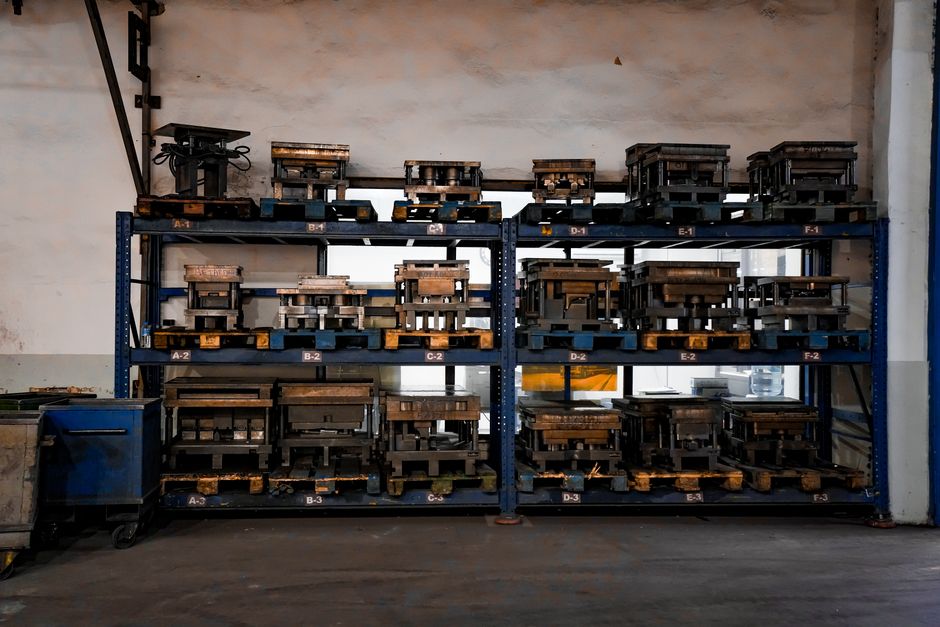
Mold can grow on steel, but not on the steel itself. Mold needs organic material to feed on, and bare steel is inorganic. What actually happens is that mold grows on the dust, dirt, grease, or other organic debris that collects on the steel surface. Over time, that thin layer of grime becomes a food source, and mold will happily colonize it. So the steel is not the meal, but it can certainly become the dining table.
Why Mold Grows on Steel Surfaces
Steel is not a food source for mold. Mold requires carbon-based organic compounds to survive, and steel is an iron-carbon alloy that does not provide nutrition. However, mold spores are everywhere. They float through the air and settle on every surface, including steel.
What matters is whether the surface has anything for the spores to eat. A clean, dry steel surface will not support mold growth. But most steel surfaces in real-world settings are not perfectly clean. They collect dust, skin cells, cooking oils, and other organic particles. Once moisture is added, mold has everything it needs.
This is why you often see mold on steel in humid environments. Bathrooms, basements, and industrial settings with poor ventilation are common problem areas. The steel itself is not the issue. The contamination on the steel is.
Does Stainless Steel Resist Mold Better
Stainless steel does not resist mold because of any special property. It resists rust and corrosion better than regular carbon steel, but mold does not care about rust. Mold cares about food and moisture.
Stainless steel is often used in kitchens and medical facilities because it is easy to clean and sanitize. Its smooth, non-porous surface does not absorb moisture or organic matter the way wood or drywall does. This makes it harder for mold to establish a foothold.
But if you leave a greasy stainless steel pan in a damp sink for a week, mold can grow on it. The mold is feeding on the food residue, not the metal. Regular steel and stainless steel are equally vulnerable when they are dirty.
What Conditions Allow Mold to Grow on Steel
Mold needs three things to grow: organic food, moisture, and the right temperature. Most indoor environments provide the temperature. Mold grows well between roughly 60°F and 80°F, which overlaps with typical indoor comfort ranges.
Moisture is the factor you can control. Mold cannot grow without water. On a steel surface, moisture can come from condensation, spills, high humidity, or poor ventilation. A cold steel pipe in a warm, humid room will develop condensation. That condensation traps dust and creates a perfect environment for mold.
The organic food source is almost always present. Dust alone contains enough organic material to support mold growth. Even a thin, invisible film of oil from human hands can be enough. Over months or years, that buildup becomes a visible food source.





Can Mold Damage Steel Itself
Mold does not eat steel, so it cannot structurally damage the metal. However, mold can indirectly harm steel in an important way. Mold retains moisture against the surface it grows on. That trapped moisture can cause corrosion and rust on non-stainless steel.
This is a real concern in industrial settings. Mold growing on steel beams, pipes, or equipment can create localized moisture that accelerates rust. Over time, that rust can weaken the metal. The mold is not eating the steel, but it is creating the conditions that allow rust to form.
On stainless steel, the risk is lower but not zero. Stainless steel resists corrosion because of a protective chromium oxide layer. If that layer is scratched or damaged, moisture from mold growth can contribute to surface corrosion.
How to Remove Mold from Steel
Removing mold from steel is straightforward because the metal itself is not porous. The mold is on the surface, not inside the material. This makes steel easier to clean than wood, drywall, or fabric.
Start by wiping away the visible mold with a damp cloth. Use soap and water to remove the dirt and organic residue that the mold is feeding on. This step is essential. If you kill the mold but leave the food source, new mold will grow in the same spot.
For stubborn mold, a solution of water and white vinegar can be effective. Vinegar is a mild acid that kills many mold species on non-porous surfaces. You can also use a diluted bleach solution, but bleach should never be mixed with other cleaners. Always rinse the surface thoroughly after cleaning.
After cleaning, dry the steel completely. Mold cannot return without moisture. If the area is prone to humidity, improve ventilation or use a dehumidifier to keep the surface dry.
How to Prevent Mold Growth on Steel
Prevention comes down to two things: keep it clean and keep it dry. Regular cleaning removes the organic material that mold needs. Drying prevents the moisture that allows mold to grow.
In humid environments, condensation is the main enemy. Insulating cold steel pipes can prevent condensation from forming. Improving airflow around steel surfaces helps them dry faster after exposure to moisture.
For long-term storage, keep steel items off the floor and away from walls. This allows air to circulate. If you are storing steel tools or equipment, a light coat of oil can protect the surface from both rust and moisture. Just remember that oil can also trap dust, so clean and re-oil periodically.
In industrial settings, regular inspection is important. Mold can grow in areas that are not visible during routine operations. Checking behind equipment, under platforms, and inside ducts can catch problems early before they spread.
Is Mold on Steel a Health Concern
Any mold growth indoors can be a health concern, regardless of the surface it grows on. Mold releases spores and sometimes mycotoxins into the air. Breathing these in can cause allergy symptoms like sneezing, coughing, and itchy eyes.
People with asthma, allergies, or weakened immune systems are more sensitive to mold exposure. For these individuals, even small amounts of mold can trigger symptoms. If you see mold on steel surfaces in your home, it is worth cleaning promptly.
The type of mold matters less than the fact that mold is present. Black mold gets a lot of attention, but all mold has the potential to cause health problems in sensitive people. The best approach is to remove the mold and fix the moisture problem that allowed it to grow.
When to Call a Professional
Small patches of mold on steel items can be handled yourself. But there are situations where professional help is warranted. If the mold covers a large area, if it keeps coming back after cleaning, or if it is in a hard-to-reach place like inside ductwork, call a professional.
Professional mold remediation is also appropriate if someone in the home has serious health conditions. Asthma, immune disorders, or chronic respiratory issues make mold exposure more dangerous. A professional can identify the mold species, find the moisture source, and remove the contamination safely.
Keep in mind that mold on steel is rarely the real problem. The mold is a symptom of a moisture issue. If you clean the mold but do not fix the leak, humidity problem, or condensation issue, the mold will return. Fix the moisture source first, then clean the mold.
Frequently Asked Questions
Can mold grow on stainless steel?
Yes, mold can grow on stainless steel if the surface has organic debris like dust or grease and is exposed to moisture. The mold feeds on the debris, not the metal itself.
Does mold eat steel?
No, mold does not eat steel. Steel is inorganic and provides no nutrition for mold, but mold can trap moisture against steel and contribute to rust over time.
How do you remove mold from steel?
Wipe the surface with soap and water to remove the mold and the organic residue it feeds on, then dry completely. For stubborn spots, a water and vinegar solution can help.
What kills mold on metal surfaces?
Soap and water removes mold from metal surfaces, and white vinegar kills many mold species on non-porous materials. Dry the surface completely afterward to prevent regrowth.
