
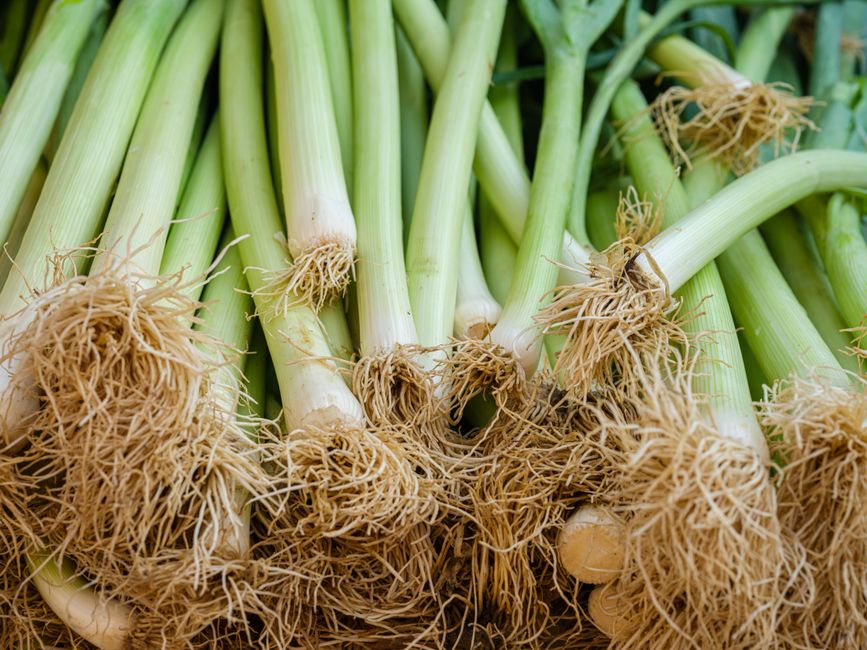
Leeks are a nutrient-dense vegetable from the allium family, closely related to onions and garlic. They are particularly good for providing vitamin K, vitamin A, and manganese, along with a significant amount of plant compounds that act as antioxidants. Regular consumption of leeks supports digestive health through their prebiotic fiber content and contributes to a diet linked with lower risks of chronic disease.
What Are the Main Health Benefits of Leeks?
Leeks offer a range of benefits that come from their unique mix of nutrients and bioactive compounds. They are low in calories but high in specific vitamins and minerals that support several body systems.
The most established benefits relate to digestive health, antioxidant defense, and heart health. The fiber in leeks feeds beneficial gut bacteria, which supports a healthy microbiome. The antioxidants, particularly kaempferol, help neutralize harmful free radicals in the body.
Research consistently shows that diets rich in allium vegetables are associated with lower rates of certain cancers and cardiovascular disease. While leeks are often grouped with onions and garlic in these studies, they contain their own distinct profile of beneficial compounds.
What Nutrients Do Leeks Provide?
A one-cup serving of raw leeks contains only about 54 calories. Despite the low calorie count, this serving provides a substantial portion of your daily needs for several nutrients.
Leeks are an excellent source of vitamin K, providing roughly half of the daily recommended intake per cup. This vitamin is essential for blood clotting and bone metabolism. They also supply a good amount of vitamin A in the form of beta-carotene, which supports eye health and immune function.
Manganese is another notable nutrient in leeks, playing a role in bone formation and amino acid metabolism. Leeks also contain folate, which is particularly important for pregnant women as it supports fetal development.
One distinction worth noting: leeks contain more of their nutrients in the white and light green parts. The dark green tops are edible and flavorful but contain more fibrous material and fewer of the water-soluble vitamins.
How Do Leeks Support Digestive Health?
Leeks are a rich source of prebiotic fiber, particularly inulin. This type of soluble fiber passes through the upper digestive tract undigested and ferments in the colon, where it feeds beneficial bacteria.
This fermentation process produces short-chain fatty acids like butyrate. These fatty acids serve as the primary energy source for the cells lining your colon and help maintain the integrity of the intestinal barrier.
A healthy gut microbiome is linked to better digestion, improved immune function, and even mood regulation through the gut-brain axis. The prebiotic effect of leeks is one of the most well-documented benefits of this vegetable.
For people transitioning to a high-fiber diet, it is worth noting that the inulin in leeks can cause gas and bloating if consumed in large amounts suddenly. Introducing leeks gradually gives your digestive system time to adapt.





Can Leeks Help Reduce Inflammation?
Leeks contain several compounds with anti-inflammatory properties. The most studied of these is kaempferol, a flavonoid antioxidant found in significant amounts in leeks.
Kaempferol has been shown in laboratory studies to reduce the production of inflammatory markers in the body. Chronic inflammation is a contributing factor in many diseases, including heart disease, diabetes, and certain cancers.
Some research suggests that the combination of antioxidants in allium vegetables may work synergistically to reduce oxidative stress. Oxidative stress occurs when free radicals outnumber the antioxidants available to neutralize them, leading to cellular damage over time.
While the anti-inflammatory effects of leeks are biologically plausible and supported by preliminary research, no large human trials have isolated leeks specifically to measure their direct anti-inflammatory impact. The evidence is strongest for diets that include a variety of vegetables rather than any single one.
Are Leeks Good for Heart Health?
Leeks contribute to heart health through several mechanisms. Their fiber content helps lower LDL cholesterol levels by binding to cholesterol in the digestive tract and removing it from the body.
The potassium in leeks supports healthy blood pressure regulation. Potassium helps counteract the effects of sodium and eases tension in blood vessel walls.
Kaempferol and other flavonoids in leeks have been associated with a reduced risk of cardiovascular disease in population studies. These compounds may improve endothelial function, which is the ability of blood vessels to dilate and contract properly.
It is important to be clear: eating leeks alone will not prevent heart disease. They are one component of a heart-healthy dietary pattern that includes a variety of vegetables, whole grains, lean proteins, and healthy fats.
What Is the Difference Between Leeks and Onions?
Leeks and onions are both allium vegetables, but they differ in several meaningful ways. Leeks have a milder, sweeter flavor because they contain lower concentrations of the sulfur compounds that give onions their pungency.
Nutritionally, leeks are generally more nutrient-dense per calorie than onions. They provide more vitamin A, vitamin K, and iron. Onions contain higher amounts of certain flavonoid antioxidants like quercetin.
The culinary uses differ as well. Onions are often used as a flavor base and can be eaten raw. Leeks are typically cooked and work well in soups, stews, and braised dishes. Their texture becomes silky when cooked slowly.
How Should You Select and Store Leeks?
Choose leeks with firm, straight stalks and crisp leaves. Avoid leeks with yellowing, wilting, or slimy spots. Smaller leeks tend to be more tender and have a milder flavor than larger ones.
Leeks are quite perishable. Store them unwashed in a plastic bag in the refrigerator crisper drawer, where they will keep for about one to two weeks. Do not trim the roots or dark green tops until you are ready to use them, as this helps retain moisture.
Cleaning leeks requires attention because soil and grit become trapped between their layers. Slice them lengthwise and rinse thoroughly under running water, separating the layers to remove all debris.
What Are Simple Ways to Cook With Leeks?
Leeks are versatile and can be prepared in several simple ways. They are most commonly used in soups and stocks, where their mild onion flavor adds depth.
Sautéing sliced leeks in olive oil until soft and golden creates a flavorful base for many dishes. They pair well with potatoes, mushrooms, chicken, and white fish.
Braised leeks are a classic preparation. Cut them in half lengthwise, brown them in a pan, then simmer in broth until tender. Roasting leeks in the oven caramelizes their natural sugars and brings out their sweetness.
Raw leeks are less common but can be thinly sliced and added to salads for a mild onion-like crunch. The white and light green parts are the most commonly used, while the dark green tops are better suited for flavoring stocks rather than eating as a main component.
Are There Any Risks or Side Effects?
Leeks are safe for most people when consumed as part of a normal diet. The main side effect is digestive discomfort from the fiber content, particularly if you are not used to eating high-fiber foods.
People on blood-thinning medications like warfarin need to be mindful of their vitamin K intake. Because leeks are high in vitamin K, which plays a role in blood clotting, sudden large changes in consumption can affect how these medications work. Maintaining consistent intake is the key consideration.
Allergies to leeks are rare but possible. Symptoms may include itching, swelling, or digestive distress. If you experience these symptoms after eating leeks, consult a healthcare provider.
Frequently Asked Questions
Can you eat leeks raw?
Yes, leeks can be eaten raw, but they are quite crunchy and have a milder flavor than raw onions. Thinly sliced raw leeks work well in salads or as a garnish.
Are leeks healthier cooked or raw?
Both forms are healthy, but cooking makes the fiber more digestible and softens the texture. Raw leeks retain slightly more vitamin C, while cooking releases more of certain antioxidants.
Do leeks cause gas and bloating?
Leeks can cause gas and bloating because they contain inulin, a type of fiber that ferments in the colon. Starting with small amounts and increasing gradually can help your digestive system adjust.
Can leeks be eaten during pregnancy?
Leeks are safe and nutritious during pregnancy, providing folate and fiber. Wash them thoroughly to remove soil and potential contaminants before eating.
