
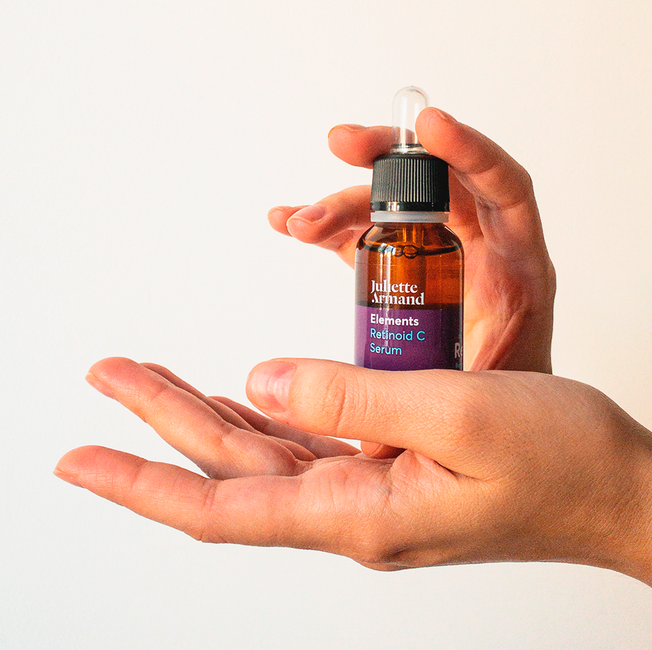
A vitamin A serum is a skincare product that delivers a concentrated form of vitamin A to your skin. It is one of the most researched ingredients in dermatology. These serums are used to address fine lines, uneven skin tone, and acne. They work by speeding up cell turnover, which helps bring fresher skin cells to the surface.
Whether it is right for you depends on your skin type, your tolerance, and your specific skin concerns. They are powerful, but they are not for everyone. Some people experience irritation, especially when starting out. However, when used correctly, a vitamin A serum can be a highly effective addition to a nightly routine.
What Does A Vitamin A Serum Actually Do?
Vitamin A in skincare comes in several forms. The most common is retinol. Others include retinaldehyde, retinoic acid, and newer synthetic forms like retinyl esters. Your skin converts these forms into retinoic acid, which is the active compound that works on skin cells.
Once applied, retinoic acid binds to receptors in your skin cells. This binding triggers a cascade of changes. It speeds up the rate at which old cells shed and new cells form. It also stimulates collagen production, which is the protein that keeps skin firm and plump.
The result is smoother skin with a more even tone. Fine lines may appear less noticeable because the skin is thicker and more hydrated. For acne, the increased cell turnover helps prevent pores from becoming clogged with dead skin cells and oil.
These are not instant results. Skin needs time to adjust. Most people see noticeable changes after 8 to 12 weeks of consistent use. The full benefits, especially for collagen production, take longer to appear.
What Is The Difference Between Retinol, Retinaldehyde, And Prescription Retinoids?
Not all vitamin A is created equal. The strength and speed of action depend on how many conversion steps the skin must perform. Understanding this helps you choose the right product.
- Retinyl esters are the gentlest. They require three conversion steps to become active. They are often found in products for sensitive skin.
- Retinol is the standard over-the-counter form. It requires two conversion steps. It is effective but can still cause irritation for some.
- Retinaldehyde is stronger than retinol. It requires only one conversion step. It works faster but is also more likely to cause dryness or peeling.
- Prescription retinoids like tretinoin are already in the active form. They do not require conversion. They are the most potent and the most irritating.
Products labeled as “retinol serum” usually contain retinol or retinaldehyde. The concentration matters as much as the type. A 0.1% retinol is much gentler than a 1% retinol. Start with a lower concentration if you are new to these products.
There is no universal “best” form. The best choice is the one your skin tolerates. A weaker form used consistently beats a strong form that you stop using because of irritation.
How Do You Start Using A Vitamin A Serum Safely?
Starting slowly is the single most important rule. Your skin needs time to build tolerance. Applying a strong serum every night on day one is a recipe for redness, peeling, and irritation.
Begin by applying the serum twice a week for the first two weeks. Use it on clean, dry skin. Apply a pea-sized amount to your entire face. Avoid the eye area and the corners of your mouth, where skin is thinner and more prone to irritation.
After two weeks, increase to every other night if your skin is not reacting badly. Mild redness or flaking is common. Severe burning or blistering is not. If you experience strong irritation, drop back to a lower frequency or a lower concentration.
Use a moisturizer after the serum has dried. This helps reduce dryness. In the morning, always apply sunscreen. Vitamin A makes skin more sensitive to UV damage. Sunscreen is not optional here.
Many people experience a “purging” phase in the first few weeks. This is when existing clogged pores come to the surface as breakouts. This is temporary. It typically resolves within 4 to 6 weeks. It is not a sign that the product is failing.



Who Should Not Use A Vitamin A Serum?
Pregnant and breastfeeding women should avoid vitamin A serums. Oral retinoids are known to cause birth defects. While topical application delivers much less to the bloodstream, the risk is not considered acceptable. Most dermatologists advise stopping all vitamin A skincare during pregnancy and while nursing.
People with active eczema or severe rosacea should be cautious. Vitamin A can worsen these conditions. The irritation it causes can trigger flare-ups. If you have one of these conditions, talk to a dermatologist before starting a serum.
People using other exfoliating acids should also be careful. Combining a vitamin A serum with strong alpha-hydroxy acids or beta-hydroxy acids on the same night increases irritation risk significantly. Some people can tolerate this combination, but it requires careful management. Start with one active ingredient at a time.
If you have very sensitive skin, you are not necessarily excluded. You just need to start with a low concentration of a gentler form like retinyl esters. Patch testing on a small area behind your ear or on your jawline is a reasonable first step.
How Does A Vitamin A Serum Compare To Other Anti-Aging Ingredients?
Vitamin A has the strongest evidence base of any anti-aging ingredient. No other topical ingredient has the same depth of clinical research behind it. This does not mean other ingredients are useless. It means vitamin A is the gold standard.
Vitamin C is a common comparison. It is an antioxidant that protects skin from environmental damage. It also helps brighten skin tone. However, it does not stimulate collagen production the way vitamin A does. The two work well together but should not be applied at the same time. Use vitamin C in the morning and vitamin A at night.
Peptides are another popular option. They are building blocks for collagen. Some studies show they can improve skin firmness. The evidence is far less robust than for vitamin A. Peptides are often less irritating, which makes them an option for people who cannot tolerate retinoids.
Niacinamide is a versatile ingredient. It strengthens the skin barrier and reduces redness. It does not have the same anti-aging effects as vitamin A, but it can help calm the irritation that retinoids sometimes cause. Some people use them on alternating nights.
There is no single ingredient that replaces vitamin A. If you cannot use it, combining other ingredients may provide partial benefits. But the clinical evidence for vitamin A is unmatched.
What Results Can You Realistically Expect?
Realistic expectations are important. A vitamin A serum will not erase deep wrinkles. It will not tighten sagging skin. It will not stop the aging process entirely. What it can do is improve the appearance of fine lines, smooth rough texture, and fade some dark spots.
Clinical studies consistently show improvements in photoaging after 12 weeks of use. Photoaging is the skin damage caused by sun exposure. This includes fine lines, rough texture, and uneven pigmentation. The improvement is modest but measurable.
Results depend on the concentration and the formulation. Higher concentrations generally produce faster results but also more irritation. The key is consistency. Using a moderate strength serum every other night for months will produce better results than using a strong serum once and stopping.
Your skin will not look dramatically different after a week. It will look different after several months of consistent use. This is a long-term commitment, not a quick fix.
Are There Any Long-Term Risks?
Long-term use of vitamin A serums is generally considered safe for most people. The most common side effects are short-term irritation, dryness, and peeling. These usually resolve as your skin builds tolerance.
There is a persistent myth that vitamin A thins the skin. The opposite is true. Long-term use actually thickens the epidermis, the outer layer of skin. This is why skin looks smoother and more resilient with continued use.
The main long-term risk is sun sensitivity. Because vitamin A makes skin more susceptible to UV damage, consistent sunscreen use is essential. Without sunscreen, you may end up with more damage than you started with.
Some people worry about vitamin A toxicity from topical use. This is not a realistic concern. The amount absorbed through the skin is tiny compared to what you get from food or supplements. Toxicity requires massive oral doses, not topical application.
Frequently Asked Questions
Can I use a vitamin A serum every night?
Most people can eventually use it nightly, but you should start with two or three nights per week. Increase frequency gradually based on how your skin responds.
Can I use vitamin A serum with moisturizer?
Yes. Apply the serum first, wait for it to dry, then apply moisturizer. This helps reduce dryness and irritation.
How long does it take to see results from a vitamin A serum?
Most people notice improvements in texture and tone after 8 to 12 weeks of consistent use. Deeper changes like collagen production take longer.
Is a vitamin A serum safe for sensitive skin?
It can be, but you need to start with a low concentration of a gentle form like retinyl esters. Patch test first and increase frequency slowly.
