
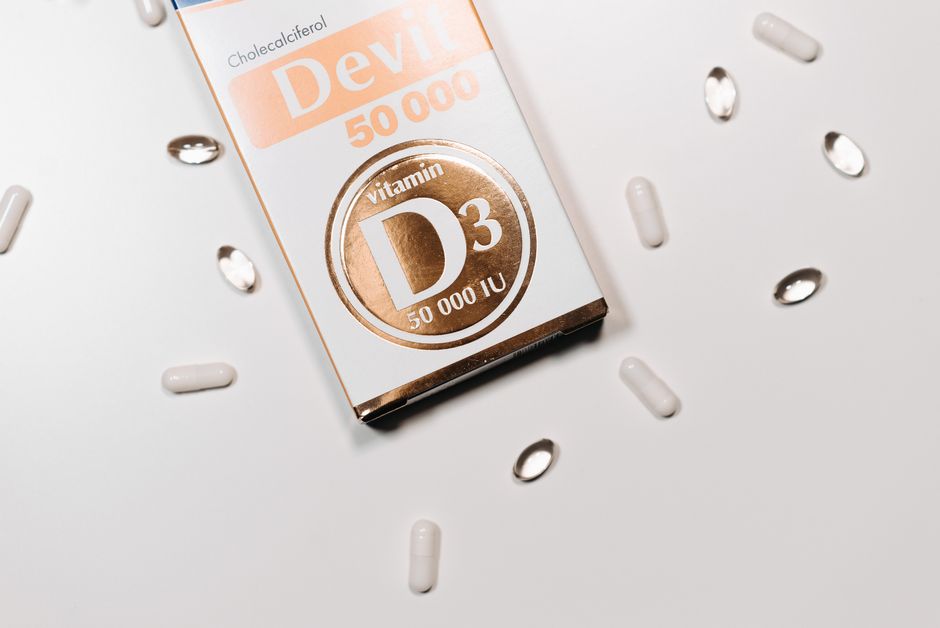
Vitamin D is essential for bone health, immune function, and many other processes in the body. A dose of 50,000 IU of vitamin D is a prescription-strength amount used only for specific medical situations, most commonly to treat a confirmed vitamin D deficiency. It is not a daily supplement dose and should only be taken under a doctor’s supervision, usually for a short period of time.
What Is a 50,000 IU Dose of Vitamin D?
A 50,000 IU (international unit) dose of vitamin D is much higher than standard over-the-counter supplements. Most daily supplements contain between 400 and 5,000 IU. The 50,000 IU dose is typically available only by prescription, often as a capsule taken once a week.
This high dose is designed to quickly raise blood levels of vitamin D in people who are significantly deficient. It is a treatment dose, not a maintenance dose. Once blood levels return to a normal range, doctors usually switch patients to a lower daily dose.
When Is 50,000 IU of Vitamin D Necessary?
A 50,000 IU dose is generally prescribed when blood tests confirm a severe deficiency. The standard test measures 25-hydroxyvitamin D. Levels below 12 ng/mL are considered deficient by most medical guidelines. Some clinicians also use this dose for levels below 20 ng/mL when rapid correction is needed.
Doctors may prescribe this dose for people with conditions that prevent normal vitamin D absorption. This includes celiac disease, Crohn’s disease, cystic fibrosis, or after gastric bypass surgery. These conditions can make it hard for the body to absorb vitamin D from food or standard supplements.
People with certain bone conditions may also be treated with 50,000 IU doses. This includes osteomalacia, a condition where bones become soft due to severe vitamin D deficiency. It may also be used for some patients with osteoporosis who have very low vitamin D levels.
How Is a 50,000 IU Dose Taken?
The most common prescription pattern is one 50,000 IU capsule taken once a week for eight weeks. This is often followed by a lower maintenance dose. Some doctors use a different schedule, such as taking the dose multiple times per week for a shorter period.
The exact schedule depends on your starting blood level, your overall health, and why you are deficient. Your doctor will determine the right plan for you. The goal is to raise your blood level into a normal range, usually defined as 30 ng/mL or higher.
After the treatment period, a repeat blood test is typically done to check progress. This test confirms whether the dose worked and helps your doctor decide what comes next. Most people then transition to a daily supplement of 800 to 2,000 IU to maintain healthy levels.





Can You Get 50,000 IU From Over-the-Counter Supplements?
In the United States, 50,000 IU vitamin D products are available over the counter in some stores and online. However, this does not mean they are safe to take without medical guidance. The prescription version is regulated and comes with specific instructions from a healthcare provider.
Taking 50,000 IU without knowing your blood level is risky. High doses of vitamin D can cause toxicity, and the symptoms may not appear for weeks or months. If you are considering this dose, a blood test first is the only safe way to know if you actually need it.
Some people believe that if a little vitamin D is good, a lot is better. This is not true. Vitamin D is fat-soluble, meaning your body stores it. Excess amounts build up over time and can reach toxic levels.
What Are the Risks of High-Dose Vitamin D?
Vitamin D toxicity is a real and serious condition. It happens when too much vitamin D builds up in the body, causing calcium levels in the blood to rise abnormally. This condition is called hypercalcemia.
Symptoms of vitamin D toxicity include nausea, vomiting, weakness, frequent urination, and kidney problems. In severe cases, it can lead to kidney damage or kidney stones. The risk increases with prolonged use of high doses, so 50,000 IU is rarely prescribed for more than a few months.
The upper safe limit for daily vitamin D intake is generally considered to be 4,000 IU for most adults. Taking 50,000 IU daily would exceed this limit by a large margin. This is why the prescription schedule is usually once a week, not daily.
Toxicity from vitamin D does not happen quickly. It develops over time as the vitamin accumulates in fat tissue. This means someone taking high doses may not notice problems until the damage is underway.
Who Should Not Take 50,000 IU of Vitamin D?
People with certain health conditions should avoid high-dose vitamin D without close medical supervision. This includes people with sarcoidosis, tuberculosis, or other granulomatous diseases. These conditions can cause the body to activate vitamin D too aggressively, leading to high calcium levels even with normal doses.
People with hyperparathyroidism should also be cautious. This condition already causes elevated calcium levels, and adding high-dose vitamin D can make it worse. Anyone with a history of kidney stones should discuss the risks with their doctor before taking this dose.
Pregnant and breastfeeding women should not take 50,000 IU of vitamin D unless specifically prescribed by their healthcare provider. Standard prenatal vitamins contain lower doses that are considered safe. High-dose treatment during pregnancy requires careful monitoring and clear medical indication.
How Do You Know If You Need a 50,000 IU Dose?
The only way to know if you need this dose is through a blood test. A doctor will order a 25-hydroxyvitamin D test to measure your current level. Based on the results, they can determine whether a high-dose prescription is appropriate.
You cannot reliably tell if you are deficient from symptoms alone. Many people with low vitamin D have no symptoms at all. Others may experience fatigue, bone pain, muscle weakness, or mood changes, but these symptoms overlap with many other conditions.
If you are concerned about your vitamin D level, ask your doctor about testing. Do not self-prescribe a high dose based on symptoms or online information. A simple blood test provides the information needed to make a safe decision.
What Happens After the High-Dose Treatment Ends?
Once your vitamin D level reaches a normal range, the high-dose treatment stops. Your doctor will likely prescribe a daily maintenance dose to keep your level stable. This is usually 1,000 to 2,000 IU per day, depending on your needs.
Some people need ongoing monitoring to ensure their levels do not drop again. This is especially true for people with absorption problems or those living in northern climates with limited sun exposure. A follow-up blood test is often recommended three to six months after completing treatment.
Maintaining adequate vitamin D levels also depends on factors like diet and sun exposure. Foods such as fatty fish, egg yolks, and fortified dairy products contribute to vitamin D intake. However, food alone rarely provides enough to correct a significant deficiency.
Frequently Asked Questions
Is 50,000 IU of vitamin D safe to take every day?
No, 50,000 IU daily is not considered safe and can lead to vitamin D toxicity. This dose is typically prescribed once a week for a limited time under medical supervision.
How long does it take for 50,000 IU of vitamin D to work?
Most treatment protocols last about eight weeks, after which a blood test checks your levels. Some people see improvement in symptoms within a few weeks, but blood levels change more gradually.
Can I buy 50,000 IU vitamin D without a prescription?
Yes, in many places it is available over the counter, but this does not mean it is safe to take without a blood test. Taking this dose without knowing your vitamin D level carries a real risk of toxicity.
What vitamin D level requires a 50,000 IU prescription?
Severe deficiency is generally defined as a blood level below 12 ng/mL, and this is when high-dose treatment is most often used. Some doctors also prescribe it for levels below 20 ng/mL when rapid correction is needed.
