
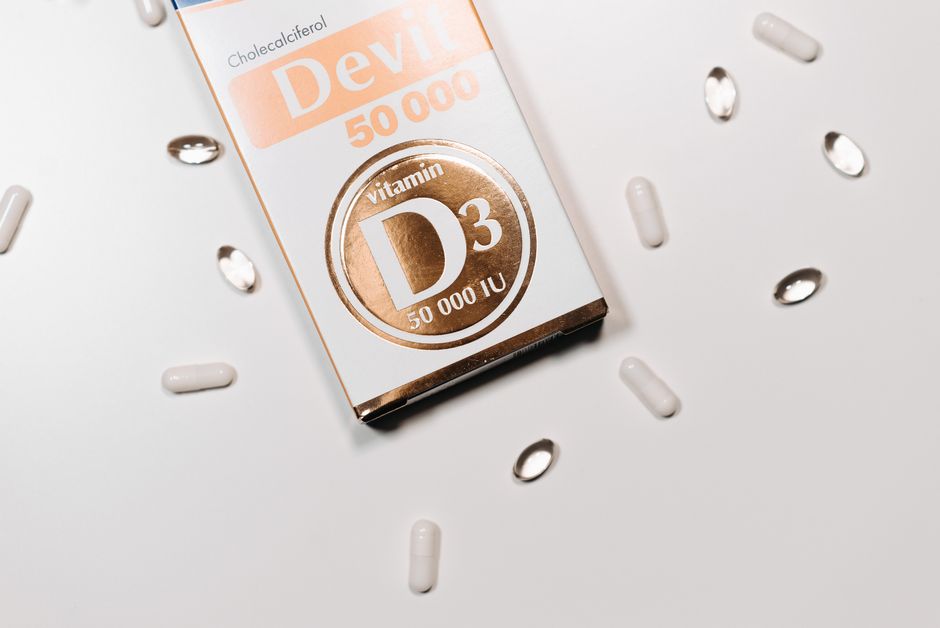
Vitamin D is essential for bone health, but it does not work alone. Your bones need vitamin D to absorb calcium, and without enough of it, even a calcium-rich diet will not fully protect your skeleton. The benefits are well proven, but the risks of taking too much are real, so the goal is getting the right amount — not the maximum amount.
How Does Vitamin D Actually Help Your Bones?
Vitamin D acts like a key that unlocks calcium absorption in your intestines. When your vitamin D levels are low, your body absorbs only a fraction of the calcium you eat — often as little as 10 to 15 percent instead of the normal 30 to 40 percent.
When blood calcium drops too low, your body pulls calcium out of your bones to keep your heart and nerves working. Over time, this leaves bones thinner and more fragile. This is how chronic vitamin D deficiency leads to soft bones in children, a condition called rickets, and to a loss of bone density in adults, often called osteomalacia.
Vitamin D also supports bone remodeling. Bone is living tissue that constantly breaks down and rebuilds. Vitamin D helps regulate the cells that build bone and the cells that break it down, keeping that cycle balanced.
What Level of Vitamin D Do You Need for Bone Health?
Most healthy adults need a blood level of vitamin D above 20 ng/mL to maintain normal bone health, according to standard clinical guidance. Some experts recommend aiming for 30 ng/mL or higher for older adults or people with conditions that affect bone density.
The recommended daily intake is 600 IU for adults up to age 70 and 800 IU for adults over 70. These recommendations come from the National Academies of Sciences, Engineering, and Medicine, which sets the dietary reference intakes used across the United States.
Many people meet these targets through diet and sunlight alone. Others need supplements, especially in winter months or for people who spend little time outdoors. A simple blood test can tell you where your levels stand.
What Are the Real Risks of Vitamin D Deficiency?
Vitamin D deficiency is common. Studies consistently show that a large share of the U.S. population has levels below 20 ng/mL, particularly in northern states and among people with darker skin, older adults, and people who avoid sun exposure.
Low vitamin D is linked to more than just bone problems. Research has associated deficiency with higher rates of falls in older adults, which is partly why vitamin D is often recommended for fall prevention. Some studies also suggest links to muscle weakness, though the evidence for direct muscle benefits is less consistent.
Severe deficiency is a clear medical problem. It causes bone pain, muscle weakness, and an increased risk of fractures. In children, severe deficiency causes rickets, a condition that still appears in the United States, though it is far less common than it was a century ago.





Is Vitamin D Good For Bones Benefits And Risks of Supplementation
Supplementation is the most reliable way to raise vitamin D levels, and for most people it is safe. But the risks are real, and they increase with dose.
The safe upper limit for daily vitamin D intake is 4,000 IU for adults. Taking more than this over long periods can cause vitamin D toxicity, which leads to dangerously high calcium levels in the blood. Symptoms include nausea, vomiting, weakness, and kidney damage.
Vitamin D toxicity rarely comes from food or sunlight. It comes almost exclusively from high-dose supplements. This is why mega-doses sold online or in stores should be treated with caution, not enthusiasm.
Most people need far less than the upper limit. For most adults with normal levels, 600 to 800 IU daily is enough to maintain bone health. People with confirmed deficiency may need higher doses, but that should be guided by a doctor and blood testing, not guesswork.
Can You Get Enough Vitamin D From Sunlight and Food?
Sunlight is a natural source of vitamin D. Your skin produces vitamin D when exposed to ultraviolet B rays. But the amount you produce depends on your latitude, skin tone, time of day, season, and sunscreen use. In northern parts of the U.S., sunlight from November through February produces almost no vitamin D in the skin.
Food sources are limited. Fatty fish like salmon, mackerel, and sardines are among the best natural sources. Egg yolks and beef liver contain smaller amounts. Many dairy products, breakfast cereals, and orange juices are fortified with vitamin D, which is why fortified foods are a major dietary source for many Americans.
For people who eat fish regularly and spend time outdoors, supplements may not be necessary. For everyone else, a daily supplement at the recommended dose is a reasonable and low-cost way to ensure adequate levels.
Who Should Get Their Vitamin D Levels Tested?
Routine testing is not recommended for everyone. Most healthy adults do not need a vitamin D blood test. But certain groups should consider testing.
People with osteoporosis or a history of fractures should be tested, since correcting deficiency is part of bone health treatment. People with conditions that affect fat absorption, such as Crohn’s disease or celiac disease, are at higher risk of deficiency. Older adults who have fallen or who have limited sun exposure should also be checked.
People taking medications that affect vitamin D metabolism, such as certain seizure medications or glucocorticoids, may need monitoring as well. If you fall into any of these groups, testing gives you a clear number to guide supplementation rather than guessing.
Vitamin D and Calcium: Why They Must Work Together
Vitamin D and calcium are partners in bone health. Neither works well without the other.
Your body needs vitamin D to absorb calcium from food. But calcium is also needed for vitamin D to do its job in bone tissue. Adults need about 1,000 mg of calcium daily, rising to 1,200 mg for women over 50 and men over 70, according to established dietary guidelines.
Dairy products, fortified plant milks, leafy greens, and canned fish with bones are good calcium sources. Some people need calcium supplements, but getting calcium from food is generally preferred because food provides other nutrients that support bone health, including protein and magnesium.
Taking high-dose calcium supplements without vitamin D is a common mistake. The calcium will not be absorbed well, and it may cause constipation or other digestive issues. The two nutrients are designed to work together.
What the Evidence Does and Does Not Show
The evidence for vitamin D’s role in bone health is strong. Decades of research confirm that deficiency causes bone disease and that correcting deficiency improves bone density and reduces fracture risk in deficient people.
What the evidence does not show is that high-dose vitamin D provides extra benefits for people with normal levels. Some research has even suggested that very high doses may increase fall risk in older adults, though this finding is not consistent across studies.
Recent large trials have also questioned whether vitamin D supplements prevent fractures in generally healthy people with normal levels. The answer appears to be no — if your levels are adequate, more vitamin D does not make your bones stronger.
This distinction matters. Vitamin D is not a general health tonic. It is a nutrient with a specific job. Getting enough prevents deficiency. Taking extra does not multiply the benefit.
How to Choose a Vitamin D Supplement
Vitamin D comes in two forms: D2 and D3. Both raise blood levels effectively, though D3 is slightly more potent and is the form most commonly used in supplements. Either form is acceptable for bone health.
Look for a supplement that provides 600 to 800 IU per serving if you are taking it for general bone health. Higher doses, such as 1,000 or 2,000 IU, are also safe for most people and are sometimes used to correct mild deficiency.
Avoid products with extremely high doses unless a doctor has recommended them. Doses above 4,000 IU daily require medical supervision. Also be aware that some supplements combine vitamin D with calcium, which may be helpful for some people but can deliver more calcium than needed if you already eat a calcium-rich diet.
Frequently Asked Questions
How much vitamin D should I take daily for bone health?
The standard recommendation is 600 IU daily for adults up to age 70 and 800 IU daily for adults over 70. People with confirmed deficiency may need higher doses under medical supervision.
Can I take too much vitamin D?
Yes, taking more than 4,000 IU daily over long periods can cause vitamin D toxicity, which leads to high blood calcium levels and kidney damage. Toxicity comes from supplements, not from food or sunlight.
Is vitamin D enough to prevent osteoporosis?
No, vitamin D alone is not enough. Osteoporosis prevention requires adequate calcium, vitamin D, regular weight-bearing exercise, and avoiding smoking and excessive alcohol. Vitamin D is one part of the picture, not the whole picture.
How long does it take to raise vitamin D levels?
With daily supplementation at recommended doses, blood levels typically rise noticeably within two to three months. People with severe deficiency may need higher doses and should have their levels rechecked by a doctor.
