
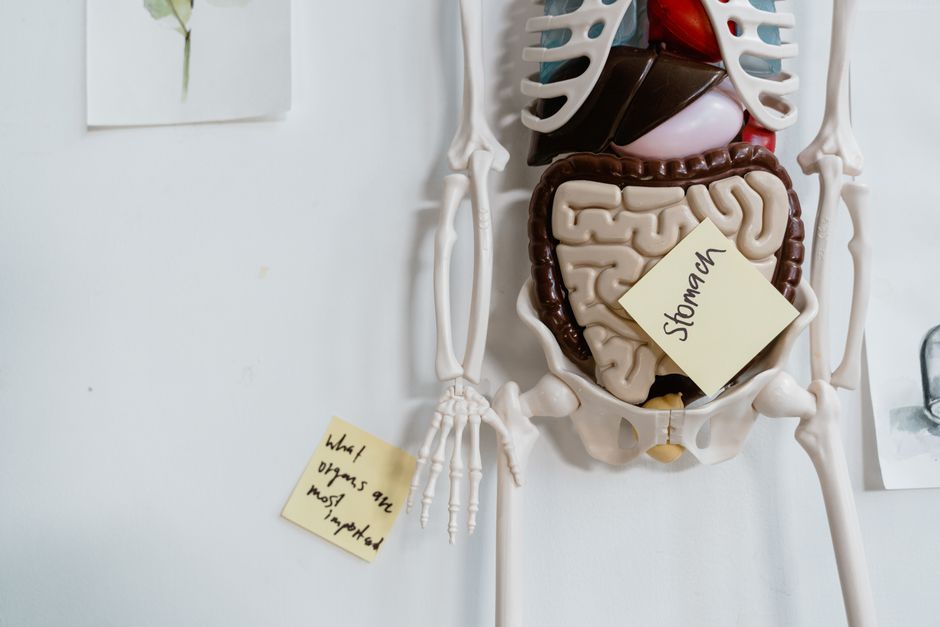
A stomach hernia is most often a hiatal hernia — a condition where part of the stomach pushes up through the diaphragm into the chest. The diaphragm is the muscle sheet that separates your chest from your belly, and it normally has a small opening for the food pipe. When that opening stretches or weakens, the stomach can slide or bulge upward. Many people with a hiatal hernia have no symptoms at all, while others get heartburn, regurgitation, or chest discomfort after eating.
What Is a Stomach Hernia Called?
The medical name for a stomach hernia is a hiatal hernia, sometimes spelled “hiatal” or called a “diaphragmatic hernia” when referring to the same defect in adults. The word comes from the hiatus, the opening in the diaphragm that lets the esophagus pass through on its way to the stomach.
There is some naming confusion worth clearing up. A “stomach hernia” is not a single official diagnosis. It is a plain-language term people use to describe a hernia involving the stomach. In adults, that almost always means a hiatal hernia. In newborns, a different and much more serious condition called a congenital diaphragmatic hernia can occur, but that is a distinct problem present at birth and not what most people mean by a stomach hernia.
Hernias in general happen when an organ or tissue pushes through a weak spot in the muscle or connective tissue that normally holds it in place. A hiatal hernia is simply that process happening at the diaphragm.
What Are the Different Types of Hiatal Hernia?
Doctors classify hiatal hernias mainly by how the stomach moves. The two common types are sliding and paraesophageal.
A sliding hiatal hernia is by far the most common. The junction where the esophagus meets the stomach slides up above the diaphragm. This type often comes and goes, and many people never know they have it.
A paraesophageal hernia is less common. Here the junction stays roughly in place, but part of the stomach rolls up alongside the esophagus and sits next to it. This type can be more concerning because in rare cases the stomach can become trapped or twisted, which is a medical emergency.
Some hernias are a mix of both types. The distinction matters because it affects symptoms, monitoring, and whether surgery is considered.
What Causes a Stomach Hernia?
Hiatal hernias usually develop from a combination of pressure and weakening tissue. Anything that raises pressure inside the abdomen can push the stomach upward through the diaphragm opening.
Common contributing factors include:
- Persistent coughing or straining
- Lifting heavy objects repeatedly
- Pushing hard during bowel movements from constipation
- Being overweight or obese, which raises abdominal pressure
- Pregnancy
- Vomiting or forceful retching
Age is another factor. The diaphragm and surrounding tissue tend to weaken over time, which is why hiatal hernias become more common as people get older. Many are found by chance during tests done for unrelated reasons.
There is a common belief that hiatal hernias are caused by poor diet or spicy food. That is not accurate. Diet does not create the hernia, though it can make reflux symptoms worse once a hernia exists. The hernia itself is a structural problem, not a dietary one.



What Are the Symptoms of a Stomach Hernia?
Most hiatal hernias cause no symptoms. When symptoms do appear, they usually come from acid reflux, because the hernia can weaken the barrier that normally keeps stomach acid out of the esophagus.
Possible symptoms include:
- Heartburn, often worse after meals or when lying down
- Regurgitation of food or sour liquid
- A feeling of food sticking or difficulty swallowing
- Chest pain or pressure
- Belching
- A sour taste in the mouth
Chest pain deserves special attention. Because the esophagus sits near the heart, reflux-related chest pain can feel similar to heart pain. Anyone with new or unexplained chest pain should seek medical care rather than assume it is a hernia. This is one of the most important safety points about this condition.
Large paraesophageal hernias can cause more serious symptoms, including severe chest pain, trouble breathing, or vomiting that will not stop. These signs need urgent evaluation.
How Is a Stomach Hernia Diagnosed?
Doctors usually find a hiatal hernia during tests for reflux or other digestive symptoms. The most common test is an upper endoscopy, where a thin tube with a camera is passed down the throat to look at the esophagus and stomach.
Other tests can include a barium swallow, where you drink a contrast liquid and X-rays show how it moves, and esophageal manometry, which measures how well the esophagus squeezes and how the valve at the bottom works.
A hiatal hernia is often discovered incidentally. That means it turns up on a scan done for a different reason and may never have caused any problem.
How Is a Stomach Hernia Treated?
Treatment depends on symptoms, not on the hernia alone. A hiatal hernia with no symptoms generally needs no treatment.
When reflux symptoms are present, the approach usually starts with lifestyle changes and medication. Lifestyle steps that some clinicians recommend include eating smaller meals, avoiding meals close to bedtime, and raising the head of the bed. Weight loss may help reduce abdominal pressure.
Medications that reduce stomach acid are commonly used for reflux symptoms. These treat the reflux, not the hernia itself. It is worth being clear about that distinction: acid-reducing drugs do not repair the hernia, but they can control the symptoms it triggers.
Surgery is reserved for specific situations. It may be considered when symptoms do not respond to medication, when a paraesophageal hernia is large or causing problems, or when there is a risk of the stomach becoming trapped. Surgical repair tightens the diaphragm opening and often reinforces the valve between the esophagus and stomach.
The evidence on how well surgery relieves reflux compared with long-term medication is mixed, and the best choice depends on the individual case. This is a decision to make with a doctor, not from a general article.
Can a Stomach Hernia Be Prevented?
You cannot fully prevent a hiatal hernia, because age-related tissue weakening is not something you control. But you can reduce some of the pressure that contributes to it.
Reasonable steps include maintaining a healthy weight, avoiding heavy straining, treating ongoing constipation, and not smoking, since smoking is linked to chronic coughing and can weaken tissue over time.
These steps lower pressure on the diaphragm, but no method reliably prevents a hernia from forming. Anyone who claims a supplement or diet prevents hiatal hernias is making a claim that no clinical evidence supports.
When Should You See a Doctor?
See a doctor if you have frequent heartburn, trouble swallowing, or a feeling that food gets stuck. Get urgent care for chest pain, especially if it is new, severe, or comes with shortness of breath, sweating, or pain spreading to the arm or jaw. Those signs can point to a heart problem, and it is safer to be checked than to assume it is reflux.
Also seek prompt care for vomiting that will not stop, or for severe upper abdominal or chest pain that comes on suddenly.
Frequently Asked Questions
What is a stomach hernia called?
The most common type is a hiatal hernia, where part of the stomach pushes up through the diaphragm into the chest. A less common form is a paraesophageal hernia, where the stomach rolls up beside the esophagus.
What causes a hiatal hernia?
It usually results from increased pressure in the abdomen combined with weakening of the diaphragm tissue over time. Coughing, heavy lifting, straining, being overweight, and pregnancy can all contribute.
What are the symptoms of a hiatal hernia?
Many people have no symptoms at all, while others get heartburn, regurgitation, or difficulty swallowing. Chest pain can occur and should always be checked, since it can also signal a heart problem.
Can a hiatal hernia go away on its own?
A hiatal hernia does not heal on its own, but it often causes no symptoms and needs no treatment. When symptoms appear, they are usually managed with lifestyle changes and acid-reducing medication.
