
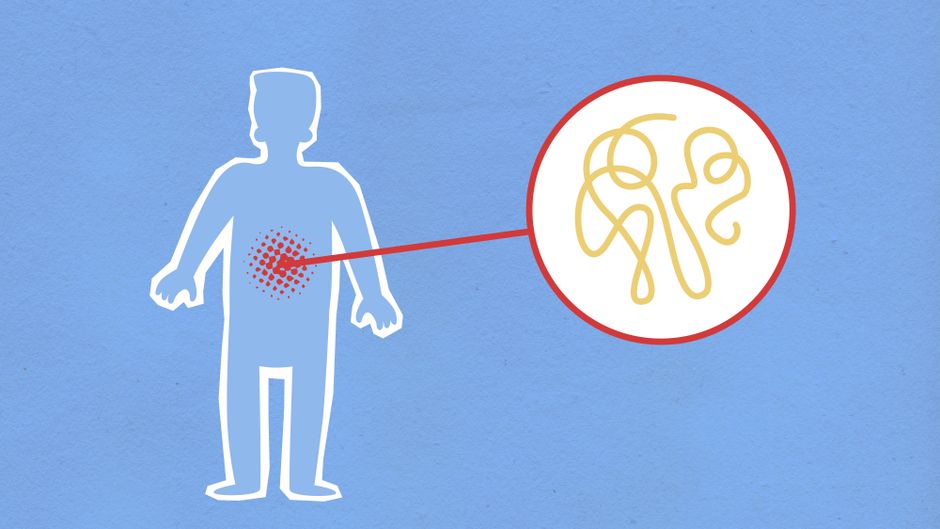
Stomach bugs spread mainly through the fecal-oral route — tiny amounts of fecal matter containing viruses, bacteria, or parasites enter your mouth, usually via contaminated hands, food, water, or surfaces. You do not need to see the contamination for it to be there. A microscopic amount is often enough to make you sick.
The germs that cause vomiting and diarrhea are remarkably efficient at finding new hosts. They ride on hands, hitchhike on food, settle on doorknobs, and sometimes float through the air after a toilet flush. Understanding exactly how they move from one person to the next is the single most useful thing you can know about avoiding them.
How Are Stomach Bugs Spread?
Every route comes back to the same event: someone swallows something contaminated with fecal matter or vomit from an infected person. The germs do not need a direct encounter to make that happen. They use several indirect pathways.
Hands are the most common vehicle. After using the toilet, changing a diaper, or touching a contaminated surface, a person’s hands carry microscopic amounts of infectious material. Those hands then touch food, a phone, a door handle, or their own face. The germs enter the next person’s mouth the same way.
Food becomes a problem when it is handled by someone who is infected or when it is grown or washed with contaminated water. Leafy greens, fresh fruit, and shellfish are common culprits because they are often eaten raw or lightly cooked. Norovirus is the leading cause of foodborne illness outbreaks in the United States, and infected food handlers are frequently the source.
Water can carry the same organisms. Municipal water treatment kills most of them, but wells, lakes, pools, and water systems in areas with poor sanitation can all transmit infection. Giardia and Cryptosporidium are parasites particularly associated with recreational water.
Surfaces and objects act as temporary holding areas. A contaminated hand touches a railing, a toy, or a shopping cart handle. Hours later, another hand picks up the germs and eventually reaches a mouth. Norovirus can survive on hard surfaces for days to weeks, which is why outbreaks spread so quickly in schools, nursing homes, and cruise ships.
Airborne particles are a less obvious route. When someone vomits or flushes a toilet containing infectious stool, tiny droplets can become suspended in the air and be inhaled or swallowed. This is one reason norovirus spreads so aggressively in closed environments.
Which Germs Cause Stomach Bugs?
Most stomach bugs are caused by one of four groups: viruses, bacteria, parasites, and — rarely — toxins produced by bacteria already in food.
Norovirus is the most common cause of acute gastroenteritis worldwide. It is highly contagious, with a very low infectious dose. Outbreaks cluster in enclosed settings: schools, care homes, restaurants, and cruise ships.
Rotavirus was once the leading cause of severe diarrhea in infants and young children. Vaccination has dramatically reduced its impact in countries where the vaccine is routinely used.
Bacteria including Salmonella, Campylobacter, E. coli, and Shigella typically enter through undercooked meat, contaminated produce, unpasteurized dairy, or contaminated water. Campylobacter is often linked to undercooked poultry.
Parasites such as Giardia and Cryptosporidium spread through contaminated water and sometimes food. They tend to cause longer-lasting diarrhea than viral infections.
Bacterial toxins are a different mechanism. Staphylococcus aureus and Bacillus cereus can produce toxins in food before it is eaten. The toxin itself causes rapid vomiting, often within hours. This is why some food poisoning strikes almost immediately after a meal.
Why Are Stomach Bugs So Contagious?
Several features make these organisms unusually good at spreading. The infectious dose is often extremely low — for norovirus, as few as a handful of viral particles can cause illness. That means contamination too small to see, smell, or taste is still enough to infect someone.
People also shed the germs before they feel sick and after they recover. Norovirus can be shed in stool for days or even weeks after symptoms stop. This creates a window where a person feels completely fine but is still contagious.
Some germs survive well outside the body. Norovirus is resistant to many common disinfectants, including alcohol-based hand sanitizers. This is a key reason handwashing with soap and water matters more than sanitizer during outbreaks.
The combination of a low infectious dose, asymptomatic shedding, and environmental persistence explains why a single sick child can infect an entire classroom or a single food handler can sicken dozens of people.


How Long Are You Contagious?
The contagious window varies by organism. For norovirus, people are most contagious while they have symptoms and during the first few days of recovery, but the virus can still be shed for up to two weeks after symptoms end. For most bacterial infections, contagiousness drops significantly once diarrhea resolves and antibiotics — if prescribed — have had time to work.
With Salmonella and certain other bacteria, some people continue to shed the organism for weeks or longer after they feel better. In rare cases, shedding can persist for months.
Because the exact timeline depends on the specific germ, the safest general rule is to be more careful than you feel you need to be for at least several days after symptoms stop. That means thorough handwashing, avoiding food preparation for others, and staying home from work or school if you handle food or care for vulnerable people.
How Do You Stop Stomach Bugs From Spreading?
Handwashing with soap and water is the single most effective measure. Soap physically removes germs from the skin. Sanitizer kills some but not all — and it is notably less effective against norovirus and Cryptosporidium.
Wash hands thoroughly after using the toilet, changing diapers, handling raw meat, and before preparing or eating food. Scrubbing for at least 20 seconds, including under the nails and between fingers, makes a measurable difference.
Clean and disinfect surfaces that may be contaminated. For norovirus, bleach-based cleaners are more effective than alcohol-based products. Pay attention to high-touch areas: toilet handles, faucets, doorknobs, and phones.
Handle food safely. Cook meat and poultry to safe internal temperatures, wash produce under running water, and avoid preparing food for others while you are sick or recovering.
Isolate when you are sick. Stay home from work or school while you have active symptoms. If you care for someone who is ill, wash your hands after every contact and avoid sharing utensils, towels, or bedding.
Be cautious with recreational water. Do not swim if you have diarrhea, and do not swallow pool or lake water. Cryptosporidium is resistant to chlorine at standard pool concentrations.
Does Hand Sanitizer Work Against Stomach Bugs?
Alcohol-based hand sanitizer is effective against many bacteria and some viruses, but it is not reliable against norovirus, Cryptosporidium, and Clostridioides difficile. These organisms have structural features that make them resistant to alcohol.
This does not mean sanitizer is useless. It can reduce the overall germ load on your hands and is better than nothing when soap and water are unavailable. But during a known outbreak of norovirus or in situations where you have handled a sick person, soap and water is the better choice.
Some non-alcohol sanitizers marketed for norovirus contain different active ingredients. Evidence on their real-world effectiveness is more limited than for soap and water.
What About Foodborne Outbreaks?
Foodborne outbreaks typically involve one of three failure points: contaminated ingredients, an infected food handler, or improper cooking or storage.
Produce can be contaminated in the field through irrigation water or by infected workers. Shellfish can concentrate viruses from contaminated water. Eggs and poultry can carry Salmonella and Campylobacter.
When an infected person prepares food, their hands can transfer germs to the food even if they wear gloves. Gloves are not a substitute for handwashing — they can become contaminated just like bare hands.
Temperature control matters. Bacteria multiply rapidly at room temperature. Leftovers left out for more than two hours (or one hour in hot weather) should be discarded. Reheating food thoroughly kills most bacteria but does not destroy heat-stable toxins that may already be present.
When Should You See a Doctor?
Most stomach bugs resolve on their own within a few days. Seek medical care if you have bloody diarrhea, a high fever, severe abdominal pain, signs of dehydration (such as very dark urine, dizziness on standing, or no urination for many hours), or symptoms that last more than a few days without improving.
Infants, older adults, and people with weakened immune systems are at higher risk of serious dehydration and may need medical attention sooner. In these groups, even a mild-sounding stomach bug can become dangerous quickly.
Antibiotics do not help viral gastroenteritis and can make some bacterial infections worse. Whether antibiotics are appropriate depends on the specific organism, which usually requires testing. Do not self-treat with leftover antibiotics.
Frequently Asked Questions
Can you catch a stomach bug from someone who has no symptoms?
Yes. People can shed norovirus and some bacteria before symptoms start and for days or weeks after they recover. This asymptomatic shedding is one reason outbreaks are hard to contain.
How long do stomach bugs live on surfaces?
Norovirus can survive on hard surfaces for days to weeks, while most bacteria survive for hours to days depending on the surface and conditions. Bleach-based cleaners are more effective than alcohol against norovirus.
Is stomach flu the same as the flu?
No. “Stomach flu” is a common term for viral gastroenteritis, which affects the stomach and intestines. Influenza is a respiratory virus and does not typically cause vomiting or diarrhea.
Can you get a stomach bug twice?
Yes. Immunity to norovirus is short-lived and strain-specific, so you can be infected repeatedly. Bacterial infections may provide longer immunity to that specific strain but not to others.
