
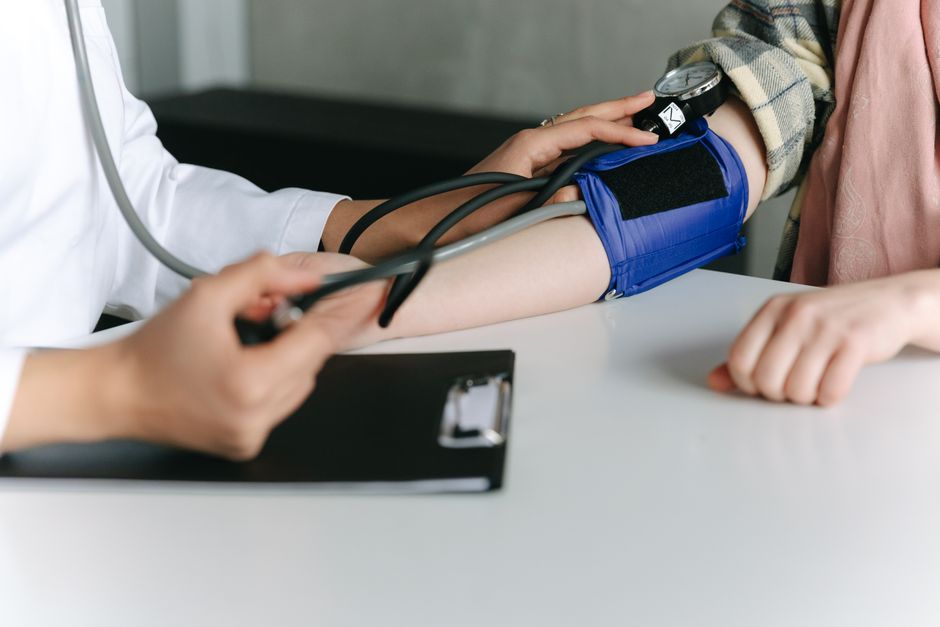
Most people worry about high blood pressure, but low blood pressure can be a serious problem too. Blood pressure is considered low when it drops below 90/60 mm Hg. For many healthy people, a reading in this range causes no symptoms and is simply normal for them. It becomes dangerous when that low reading is accompanied by symptoms like dizziness, fainting, confusion, or signs of shock, because it means vital organs are not getting enough oxygen-rich blood.
What Do the Blood Pressure Numbers Actually Mean?
Blood pressure readings have two numbers. The top number is systolic pressure, which measures the force in your arteries when your heart beats. The bottom number is diastolic pressure, which measures the force between beats when your heart relaxes.
Normal blood pressure is generally considered to be around 120/80 mm Hg. Hypotension, the medical term for low blood pressure, is defined as a reading below 90/60 mm Hg. The danger is not in the number itself, but in what that number means for blood flow to your brain and other organs.
When Does Low Blood Pressure Become Dangerous?
Low blood pressure becomes dangerous when it prevents adequate blood flow to the brain, heart, and kidneys. Blood pressure that is low but symptom-free is rarely a medical concern. The danger zone starts when the body can no longer compensate for the drop in pressure.
Your body has built-in mechanisms to keep blood pressure stable. When pressure falls, blood vessels constrict and the heart beats faster to maintain flow. If these systems fail or are overwhelmed, organs begin to suffer. This is when you may experience dizziness, blurred vision, nausea, fatigue, or fainting. In severe cases, low blood pressure can lead to shock, a life-threatening condition where organs begin to fail.
A sudden drop in blood pressure is more concerning than a chronic low reading. If your blood pressure drops by 20 mm Hg or more within minutes, even if it does not fall below 90/60, that is considered orthostatic hypotension and can cause dangerous falls or fainting episodes.
Symptoms That Signal a Medical Emergency
Some symptoms of low blood pressure require immediate emergency care. Do not wait to see if they pass. Call emergency services if you or someone else experiences:
- Confusion or difficulty speaking
- Cold, clammy, pale skin
- Rapid, shallow breathing
- Weak and rapid pulse
- Loss of consciousness
- Inability to stand or walk
These symptoms may indicate shock. Shock occurs when blood pressure is so low that organs cannot receive enough oxygen. Without prompt treatment, this can cause permanent organ damage or death.
Even without these severe symptoms, frequent fainting is dangerous. Fainting can lead to falls, head injuries, and fractures. If you faint more than once, you need a medical evaluation to find the cause.



Common Causes of Dangerous Low Blood Pressure
Low blood pressure can happen for many different reasons. Some causes are temporary and easily treated. Others point to underlying medical conditions that need ongoing management.
Dehydration is one of the most common causes. When you lose more water than you take in, blood volume drops. Less blood means lower pressure. Severe dehydration from vomiting, diarrhea, or excessive sweating can quickly become dangerous.
Blood loss from injury or internal bleeding also reduces blood volume. This can happen suddenly, as with trauma, or gradually, as with bleeding ulcers.
Medications are another frequent cause. Blood pressure medications, diuretics, heart medications, and some antidepressants can lower blood pressure too much. Changing a dose or starting a new medication can trigger a drop.
Heart conditions can interfere with the heart’s ability to pump enough blood. Heart failure, heart valve problems, and very slow heart rates all reduce cardiac output. An irregular heartbeat can also cause pressure to fluctuate dangerously.
Endocrine disorders such as thyroid disease, adrenal insufficiency, and low blood sugar can affect blood pressure regulation. Nerve damage, particularly from diabetes, can disrupt the signals that tell blood vessels to constrict when you stand up.
Infections that enter the bloodstream can cause a dramatic drop in blood pressure. This condition, called septic shock, is a medical emergency that requires immediate treatment.
Pregnancy commonly causes mild low blood pressure because the circulatory system expands. This is usually harmless, but a sudden drop in the third trimester can signal a complication and requires prompt evaluation.
Types of Low Blood Pressure You Should Know
Doctors recognize several distinct patterns of low blood pressure, and each has different implications.
Orthostatic hypotension happens when you stand up from sitting or lying down. Gravity pulls blood into your legs, and normally your nervous system quickly corrects this. In orthostatic hypotension, that correction is delayed or absent. You may feel dizzy or lightheaded within a few minutes of standing. This condition becomes more common with age and is a leading cause of falls in older adults.
Postprandial hypotension occurs after eating. Digestion requires increased blood flow to the stomach and intestines. To maintain blood flow elsewhere, blood vessels in other parts of the body constrict. If they do not, blood pressure drops about one to two hours after a meal. This is most common in older adults and people with Parkinson’s disease or diabetes.
Neurally mediated hypotension happens when the brain and heart miscommunicate. Standing for long periods, intense emotion, or extreme heat can trigger an inappropriate signal that causes blood pressure to plummet.
Who Is Most at Risk?
Low blood pressure affects certain groups more than others. Older adults are at higher risk because blood pressure regulation becomes less efficient with age. They are also more likely to take multiple medications that can interact and lower pressure.
People with diabetes face increased risk because the condition can damage the nerves that regulate blood pressure. Those with Parkinson’s disease, heart conditions, or kidney disease also need to monitor their blood pressure carefully.
Anyone taking medication for high blood pressure should be aware that overtreatment can cause low readings. Regular monitoring and dose adjustments are essential. Some research suggests that aggressive blood pressure lowering in frail older adults can increase the risk of falls and cognitive decline.
When to See a Doctor About Low Blood Pressure
You should see a doctor if you have low blood pressure readings accompanied by recurring dizziness, fainting, or fatigue. These symptoms can usually be managed once the cause is identified.
An evaluation typically includes a physical exam, blood tests, and possibly an electrocardiogram to check heart rhythm. Your doctor may also check your blood pressure in different positions to see how it responds to changes in posture.
Treatment depends entirely on the cause. If medication is responsible, a dose adjustment may solve the problem. If dehydration is the issue, increasing fluid and salt intake under medical supervision can help. If an underlying condition like thyroid disease or heart problems is found, treating that condition is the priority.
Some clinicians recommend lifestyle measures for chronic low blood pressure. These include drinking more water, eating smaller meals more frequently, wearing compression stockings, and standing up slowly from sitting or lying positions. These strategies can help, but they address symptoms rather than root causes. No evidence supports the idea that any supplement or dietary product can reliably raise dangerously low blood pressure.
For people with chronic low blood pressure that does not cause symptoms, no treatment is generally needed. The body often adapts, and many people live their entire lives with readings in the 90/60 range without any problems. The key distinction is always whether symptoms are present.
The Bottom Line on Low Blood Pressure
Low blood pressure is dangerous when it causes symptoms or happens suddenly. A reading below 90/60 with no symptoms is usually harmless. The same reading accompanied by dizziness, fainting, confusion, or signs of shock requires immediate medical attention.
If you experience symptoms of low blood pressure, talk to your doctor. Do not stop taking any prescribed medication without medical supervision, as this can cause a dangerous rebound increase in blood pressure. The right approach depends on finding the underlying cause and addressing it directly.
Frequently Asked Questions
Is 90/60 blood pressure too low?
90/60 mm Hg is the medical threshold for low blood pressure, but it is not automatically dangerous. It becomes a concern when it causes symptoms like dizziness, fainting, or fatigue.
What is the lowest blood pressure that is safe?
There is no single safe number, because what is safe depends on the individual and whether symptoms are present. A sudden drop of 20 mm Hg from your usual reading can be dangerous even if the final number stays above 90/60.
Can low blood pressure cause a heart attack?
Low blood pressure itself does not cause heart attacks, but dangerously low pressure can reduce blood flow to the heart. In people with existing coronary artery disease, this reduced flow can trigger chest pain or a heart attack.
What should I do if I feel faint from low blood pressure?
Sit or lie down immediately and raise your feet above heart level. Drink water if you are able, and do not stand up quickly. If you lose consciousness or feel confused, seek emergency medical care.
