
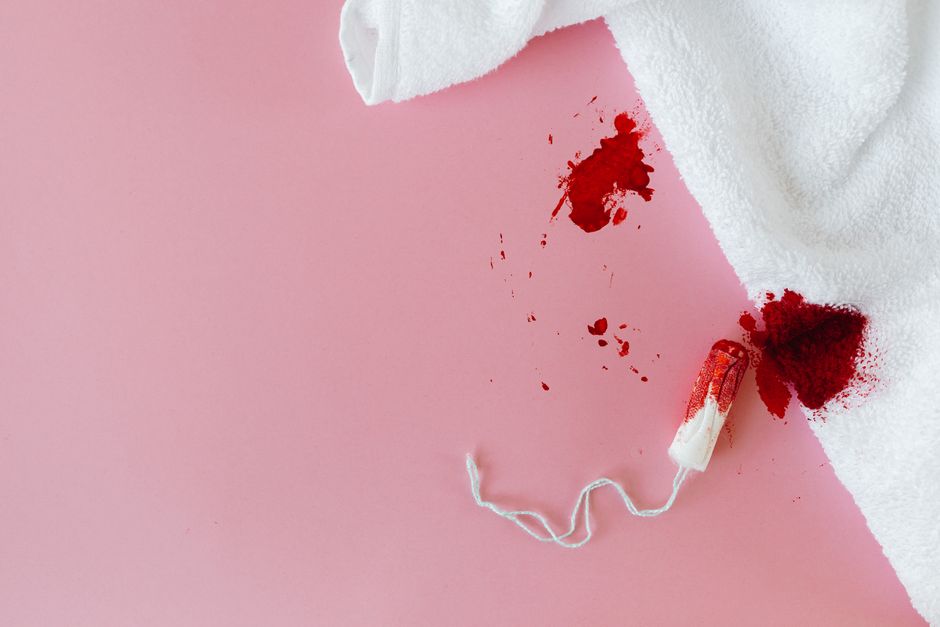
Seeing a clot in your menstrual blood can be startling, especially if you have never noticed one before. A period blood clot is a gel-like clump of blood, tissue, and proteins that leaves the body through the vagina during menstruation. Clots are common and often normal, particularly on your heaviest flow days. They become worth a closer look when they are larger than a quarter, frequent, or paired with bleeding so heavy it disrupts your daily life.
What Is A Period Blood Clot And Is It Normal?
A period blood clot forms when menstrual blood sits in the uterus or vagina long enough to thicken before leaving the body. During a period, the uterus sheds its lining. The body releases anticoagulant proteins that normally keep this blood flowing. When bleeding is heavy or fast, those proteins cannot keep up, and the blood clumps together into a clot.
Small clots are a normal part of menstruation. They are most likely to appear in the morning, after lying down for hours, or on the heaviest days of your cycle. Blood that pools while you sleep has more time to clot before it exits.
What matters is size, frequency, and what comes with them. A clot the size of a quarter or smaller is generally considered within the range of normal. Clots larger than a quarter, passing regularly, or accompanied by soaking through a pad or tampon every hour for several hours in a row are signs to discuss with a doctor.
What menstrual clots are actually made of
Menstrual blood is not just blood. It contains the shed lining of the uterus, mucus, and blood that has been mixed with cervical fluid. Clots are made of the same material. When bleeding is heavy, the mix of tissue and blood can clump into a visible gel-like mass.
This is different from a decidual cast, which is a rare condition where the entire uterine lining sheds in one piece and looks like a fleshy, triangular shape. Decidual casts can be alarming but are uncommon and often linked to hormonal contraception. If you pass a large piece of tissue that looks like an organ rather than a clot, that warrants a medical visit.
What Causes Blood Clots During A Period?
The direct cause is a mismatch between how fast you are bleeding and how quickly your body can break down the clotting proteins. Several things can push that balance.
- Heavy menstrual bleeding — the most common driver of larger clots
- Hormonal imbalance — conditions like polycystic ovary syndrome or thyroid problems can affect flow
- Uterine fibroids — noncancerous growths in the uterus that can increase bleeding
- Adenomyosis — when uterine lining tissue grows into the muscle wall
- Endometriosis — can be associated with heavier or more painful periods
- Miscarriage — passing clots and tissue can be an early sign
- Blood clotting disorders — rare but possible
- Certain medications — including some blood thinners and intrauterine devices
Most people who notice occasional clots do not have any of these conditions. The presence of clots alone does not mean something is wrong. The pattern and the other symptoms are what guide the picture.
When Should You Be Concerned About Period Clots?
Size and frequency are the two most useful things to watch. A clot larger than a quarter, or several clots passing together, is worth mentioning to a clinician. So is bleeding that soaks through one pad or tampon every hour for more than a couple of hours.
Other signs that point toward a real problem include:
- Bleeding that lasts longer than seven days
- Clots larger than a quarter, repeatedly
- Severe pain that does not improve with over-the-counter pain relievers
- Bleeding between periods or after sex
- Fatigue, shortness of breath, or pale skin — possible signs of anemia from blood loss
- Clots with a foul odor and fever — possible infection
- Passing tissue that looks fleshy rather than gel-like
If you are pregnant or could be pregnant and pass clots, contact a doctor promptly. Bleeding during pregnancy can signal miscarriage or another complication and should be evaluated rather than watched at home.





How Much Bleeding Is Too Much?
Heavy menstrual bleeding is a clinical term, not a feeling. Doctors define it by how much blood loss interferes with daily life. The most practical marker is how often you need to change protection. Soaking through a pad or tampon every hour for several consecutive hours is a recognized red flag.
Another useful measure is the total number of pads or tampons used. Consistently using more than one pad every two hours, or needing double protection, suggests flow is heavier than typical. This matters because heavy bleeding is a common cause of iron-deficiency anemia, which can leave you tired and short of breath.
Heavy periods are common. Research suggests a substantial share of menstruating people experience flow heavy enough to meet the clinical definition, yet many never mention it to a doctor. If you are unsure whether your bleeding crosses the line, tracking the number of products you use per day for one cycle gives a clinician useful information.
How Are Abnormal Period Clots Evaluated?
Evaluation usually starts with a conversation about your cycle history and symptoms. A doctor may ask about the size and number of clots, how often you change protection, and whether you have pain, fatigue, or other symptoms.
Common next steps include:
- A pelvic exam
- Blood tests to check for anemia, thyroid function, and clotting issues
- A pelvic ultrasound to look for fibroids, polyps, or other structural causes
- In some cases, a hysteroscopy or endometrial biopsy
Which tests are appropriate depends on your age, symptoms, and history. Not everyone with clots needs a full workup. A clinician can help decide what is reasonable for your situation.
What Can Help With Heavy Periods And Clots?
Treatment depends on the cause. If a structural issue like a fibroid is found, options may include medication, a procedure, or surgery. If the cause is hormonal, hormonal contraception or other medications can reduce flow.
For symptom relief, some clinicians recommend nonsteroidal anti-inflammatory drugs like ibuprofen, which can reduce both cramping and bleeding. These are not appropriate for everyone, and they should be discussed with a doctor, especially if you have stomach, kidney, or bleeding problems.
Iron supplementation may be recommended if blood tests show low iron or anemia. Do not start iron without checking levels first, because too much iron can be harmful.
No single approach works for everyone. What helps depends on what is causing the heavy bleeding in the first place.
What Does A Normal Period Actually Look Like?
A typical menstrual cycle runs about 28 days, though anywhere from 21 to 35 days is considered normal. Bleeding usually lasts three to seven days. Total blood loss is generally around 30 to 40 milliliters, though this varies widely.
Color changes across a period are normal. Bright red blood is usually fresher. Darker brown or black blood has simply taken longer to exit the body. Small clots, especially in the morning or on heavy days, fit within the range of normal.
What is not normal is bleeding that consistently disrupts your life. If you plan around your period, miss work or school, or feel exhausted every month, that is worth a medical conversation regardless of what your clots look like.
Frequently Asked Questions
Are period blood clots normal?
Small clots, about the size of a quarter or smaller, are a normal part of menstruation, especially on heavy flow days. Clots larger than a quarter or passing frequently are worth discussing with a doctor.
What size blood clot is too big during a period?
A clot larger than a quarter is generally considered a reason to check in with a clinician. Size matters most when clots are large and recurring or come with very heavy bleeding.
What causes large blood clots during a period?
Large clots usually mean bleeding is heavy enough that the body’s natural clot-preventing proteins cannot keep up. Causes can include fibroids, hormonal imbalance, adenomyosis, or other conditions, though often no specific cause is found.
When should I see a doctor about period clots?
See a doctor if you pass clots larger than a quarter, soak through protection every hour for several hours, bleed longer than seven days, or feel fatigued or short of breath. Bleeding during possible pregnancy should be evaluated promptly.
