
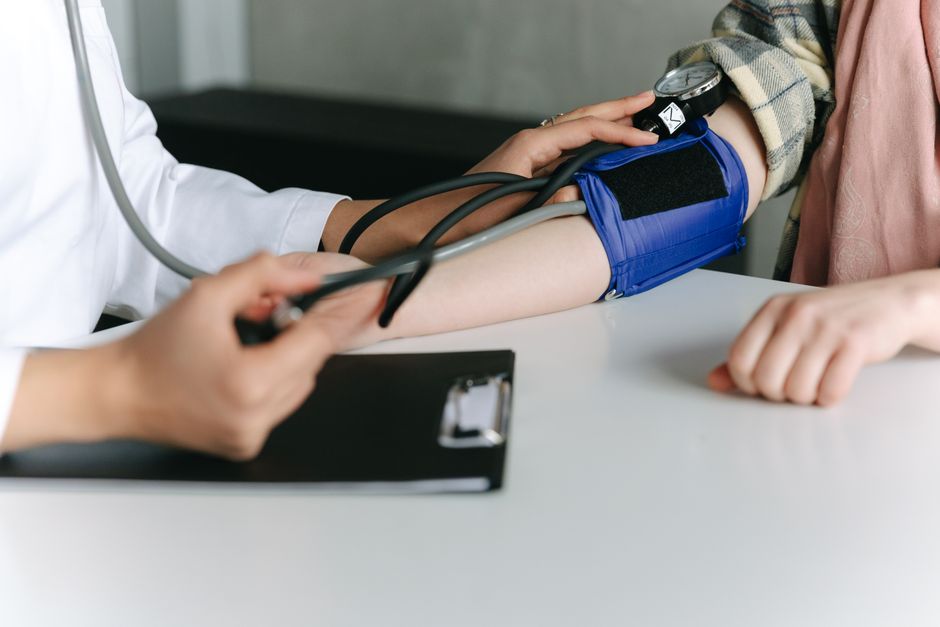
Blood pressure is the force of blood pushing against the walls of your arteries. For most adults, a normal reading is less than 120/80 mmHg. For children, normal blood pressure depends on age, sex, and height, so there is no single number that applies to every child. Instead, doctors compare a child’s reading to standardized growth charts to determine what is healthy for that specific child.
What Do The Two Numbers In A Blood Pressure Reading Mean?
Every blood pressure reading has two numbers. The top number is the systolic pressure. It measures the pressure in your arteries when your heart beats and pushes blood out. The bottom number is the diastolic pressure. It measures the pressure in your arteries when your heart rests between beats.
Both numbers matter. A reading of 120/80 is said as “120 over 80.” The unit of measurement is millimeters of mercury, written as mmHg. Doctors use both numbers to classify your blood pressure into categories ranging from normal to severely elevated.
What Is A Normal Blood Pressure Reading For Adults?
For adults, a normal blood pressure reading is a systolic pressure less than 120 mmHg and a diastolic pressure less than 80 mmHg. This is written as less than 120/80 mmHg. Readings at or above this level fall into categories that require attention.
Here are the standard adult blood pressure categories established by major cardiovascular guidelines:
- Normal: Systolic less than 120 AND diastolic less than 80
- Elevated: Systolic 120–129 AND diastolic less than 80
- High blood pressure (Stage 1): Systolic 130–139 OR diastolic 80–89
- High blood pressure (Stage 2): Systolic 140 or higher OR diastolic 90 or higher
- Hypertensive crisis: Systolic higher than 180 AND/OR diastolic higher than 120
A single high reading does not mean you have high blood pressure. Blood pressure naturally changes throughout the day. It rises with physical activity, stress, and caffeine. It falls during sleep. Doctors typically confirm a diagnosis of high blood pressure only after multiple elevated readings taken on separate occasions.
What Is A Normal Blood Pressure Reading For Kids?
Children do not have a single normal blood pressure number. Their normal range shifts as they grow. A reading that is normal for a 5-year-old may be high for a 10-year-old of the same sex and height.
Doctors determine normal blood pressure in children using percentile charts. These charts compare a child’s blood pressure to other children of the same age, sex, and height percentile. A child’s blood pressure is considered normal if it falls below the 90th percentile for their peer group.
The categories for children follow this structure:
- Normal: Blood pressure below the 90th percentile
- Elevated: Blood pressure from the 90th to 95th percentile
- Stage 1 high blood pressure: Blood pressure from the 95th percentile to the 95th percentile plus 5 mmHg
- Stage 2 high blood pressure: Blood pressure above the 95th percentile plus 5 mmHg
In teenagers aged 13 and older, doctors begin using the adult criteria. This shift happens because older teens have typically reached physical maturity. A teenager with a reading above 120/80 would be classified using adult standards.



Why Does Blood Pressure Matter For Health?
High blood pressure damages blood vessels over time. The constant force of elevated pressure makes the artery walls thicker, stiffer, and less flexible. This damage creates a foundation for serious health problems.
Untreated high blood pressure increases the risk of heart attack, stroke, kidney disease, and vision loss. It also contributes to heart failure because the heart must work harder to pump blood against higher resistance. The damage is usually silent. Most people with high blood pressure feel completely fine, which is why it is often called a “silent killer.”
Low blood pressure is less commonly a problem. Many healthy people have readings below 100/60 and feel perfectly well. Low blood pressure becomes a concern only when it causes symptoms like dizziness, fainting, or confusion. These symptoms can indicate an underlying issue such as dehydration, blood loss, or a heart condition.
How Is Blood Pressure Measured Correctly?
An accurate blood pressure reading depends on proper technique. Small errors in measurement can shift a reading by 5 to 10 mmHg, which is enough to change a classification from normal to elevated.
Follow these steps for the most accurate home reading:
- Sit quietly for five minutes before measuring
- Sit with your back supported and feet flat on the floor
- Place the cuff on your bare upper arm at heart level
- Do not talk during the measurement
- Do not drink caffeine or exercise within 30 minutes before measuring
- Empty your bladder before measuring
Home monitors vary in accuracy. Choose a validated upper-arm monitor rather than a wrist or finger device. Wrist monitors are convenient but tend to be less reliable because the wrist is not at heart level unless positioned correctly. Bring your home monitor to your doctor’s office occasionally to compare its readings with the office equipment.
When Should You Check Your Blood Pressure?
Adults with normal blood pressure should have it checked at least once every two years. If your readings are elevated or you have risk factors for high blood pressure, more frequent checks are appropriate. Risk factors include family history, being overweight, smoking, and having diabetes.
Children should have their blood pressure measured during routine well-child visits starting at age 3. Children with certain medical conditions may need earlier and more frequent monitoring. These conditions include kidney disease, heart defects, and obesity.
Do not rely only on feeling symptoms. High blood pressure produces no symptoms until it reaches dangerously high levels. The only way to know your blood pressure is to measure it.
Can Lifestyle Changes Lower Blood Pressure?
Yes. Lifestyle changes are the first-line treatment for elevated blood pressure and Stage 1 hypertension. They also complement medication for people with more severe hypertension.
Evidence consistently supports these approaches:
- Reduce sodium intake: Lowering daily sodium to about 1,500–2,300 mg can reduce blood pressure in many people
- Increase potassium: Foods like bananas, spinach, and potatoes help counterbalance sodium
- Exercise regularly: Aerobic activity such as brisk walking for 30 minutes most days lowers blood pressure
- Maintain a healthy weight: Losing even 5–10 pounds can reduce blood pressure in overweight individuals
- Limit alcohol: Heavy drinking raises blood pressure; moderation means no more than one drink daily for women and two for men
- Manage stress: Chronic stress contributes to elevated readings, though the direct effect is harder to measure
The DASH diet — Dietary Approaches to Stop Hypertension — has strong research support. It emphasizes fruits, vegetables, whole grains, and low-fat dairy while limiting saturated fat and sugar. Studies have shown this eating pattern can lower systolic blood pressure by several points within weeks.
If lifestyle changes do not bring blood pressure into a healthy range within three to six months, doctors typically discuss medication. The decision to start medication depends on your overall cardiovascular risk, not just the blood pressure number alone.
What Causes High Blood Pressure In Children?
Primary hypertension — high blood pressure without an identifiable cause — is now the most common type in children. This mirrors the rise in childhood obesity. Overweight children face significantly higher odds of having elevated blood pressure compared to peers at a healthy weight.
Secondary hypertension, caused by an underlying medical condition, is more common in younger children. Kidney disease is the leading cause. Other causes include heart defects, hormonal disorders, and certain medications.
Children with high blood pressure often show no symptoms. When symptoms do appear, they may include headaches, blurred vision, or nosebleeds. Routine pediatric visits are critical because they are often the only opportunity to catch elevated readings early.
Frequently Asked Questions
What is a dangerous blood pressure level?
A reading above 180/120 mmHg is a hypertensive crisis and requires immediate medical attention, especially if accompanied by chest pain, shortness of breath, or neurological symptoms.
Can home blood pressure monitors be trusted?
Validated upper-arm monitors are reliable when used correctly, but accuracy depends on proper cuff size and technique.
Does anxiety raise blood pressure readings?
Yes, anxiety and stress can temporarily raise blood pressure during a measurement, a phenomenon sometimes called “white coat hypertension.”
At what age should children start getting blood pressure checked?
Children should have blood pressure measured at routine checkups starting at age 3, though younger children with medical conditions may need earlier monitoring.
