
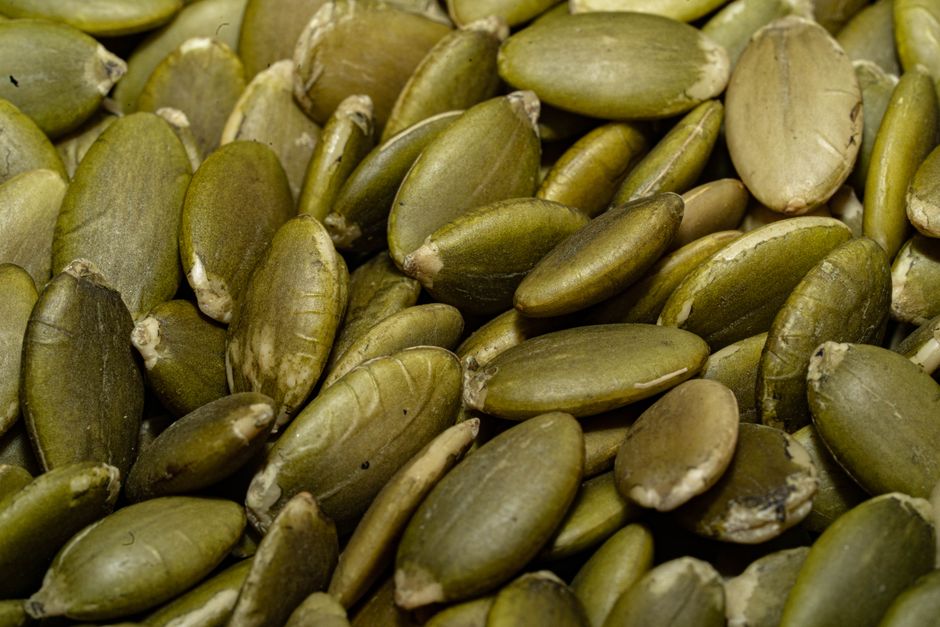
A pepita seed is the edible seed of a pumpkin, specifically certain varieties of pumpkins grown for their hull-less seeds. Unlike the white, papery shells of regular pumpkin seeds, pepitas are flat, oval, and have a dark green color because they lack the outer husk. You can eat them raw, roasted, or use them as an ingredient in dishes like salads, granola, and baked goods.
What Is A Pepita Seed? Simplified
Pepitas are pumpkin seeds, but not all pumpkin seeds are pepitas. The term “pepita” comes from the Spanish word for “little seed of squash.” Most grocery store pumpkins—the ones used for jack-o’-lanterns—produce seeds with a thick, white hull. Pepitas come from specific pumpkin varieties, such as the Styrian pumpkin, that naturally grow seeds without that tough outer shell.
This difference matters for eating. Hull-less seeds are softer and easier to chew. You do not need to crack open a shell to get to the inner seed. That is why pepitas are often sold as a convenient, ready-to-eat snack while many regular pumpkin seeds are still sold in their shells.
What Are the Nutritional Facts of Pepitas?
Pepitas are a dense source of several nutrients. A standard serving size is one ounce, which is about 28 grams or roughly a small handful. That serving contains approximately 160 calories and about 8 to 9 grams of protein.
They are also rich in fats, specifically unsaturated fats. These are the type of fats associated with heart health when eaten in place of saturated fats. Pepitas provide magnesium, zinc, iron, and phosphorus. Magnesium is involved in hundreds of bodily processes, including muscle and nerve function and blood pressure regulation. Zinc supports immune function and wound healing.
The seed also contains plant-based compounds called phytosterols. Some research suggests these compounds may help lower cholesterol levels, although the effect is modest and depends on the overall diet.
What Are the Health Benefits of Pepitas?
Research consistently shows that nuts and seeds, including pepitas, are linked to lower rates of heart disease. The exact reason is not fully proven, but the combination of healthy fats, fiber, and minerals likely plays a role. Eating pepitas as part of a balanced diet is a reasonable choice for most people.
Some studies suggest that the magnesium in pepitas may help with blood pressure control. Magnesium helps blood vessels relax, which can lower pressure. However, taking a magnesium supplement is not the same as eating magnesium-rich foods. Food provides a matrix of nutrients that work together, and the evidence for food-based magnesium is stronger than for isolated supplements.
Pepitas also contain antioxidants, including vitamin E and carotenoids. These compounds help protect cells from damage caused by free radicals. This is a well-established biological mechanism, but it does not mean pepitas prevent cancer or other diseases. It simply means they contribute to the body’s natural defense systems.



How Do Pepitas Compare to Regular Pumpkin Seeds?
The main difference is the shell. Regular pumpkin seeds have a tough, white outer husk that must be removed before eating. Pepitas have no husk at all. This makes pepitas easier to digest and more convenient to eat by the handful.
Nutritionally, the two are similar. The inner seed of a regular pumpkin seed is nearly identical to a pepita. The shell of a regular pumpkin seed actually adds fiber, but it is also harder to chew and can be tough on digestion for some people.
Here is a quick comparison:
| Feature | Pepitas | Regular Pumpkin Seeds |
|---|---|---|
| Outer shell | None | White, tough husk |
| Color | Dark green | White shell, green inner seed |
| Convenience | Ready to eat | Requires shelling |
| Fiber content | Lower | Higher (from shell) |
| Calories per ounce | About 160 | About 160 |
Both are nutritious. The choice comes down to preference and how you plan to use them.
How Should You Store Pepitas?
Pepitas contain unsaturated fats, which can go rancid over time. Rancid seeds taste bitter and lose some of their nutritional value. To keep them fresh, store pepitas in an airtight container in a cool, dry place. A pantry or cupboard works well for short-term storage.
For longer storage, keep them in the refrigerator or freezer. In the fridge, they can last for several months. In the freezer, they can last up to a year. Always smell or taste a seed before using it if it has been stored for a while. If it smells sharp or bitter, it has likely gone rancid.
Are There Any Risks or Side Effects?
Pepitas are safe for most people. The most common issue is portion size. Because they are calorie-dense, eating large amounts can add significant calories to your day without making you feel full. A serving is about one ounce, and it is easy to eat several servings without noticing.
Some people may have an allergy to pumpkin seeds. This is not common, but it can happen. Symptoms can include itching, swelling, or digestive upset. If you have a known allergy to other seeds or squash, talk to your doctor before adding pepitas to your diet.
Pepitas are also high in fiber. If you are not used to eating fiber-rich foods, eating a large amount at once can cause bloating or gas. Start with a small portion and increase gradually.
How Can You Add Pepitas to Your Diet?
Pepitas are versatile. You can eat them raw as a snack, but roasting them changes the flavor and texture. Roasting brings out a nutty taste and makes them crunchier. To roast them, spread them on a baking sheet and cook at 350°F for about 10 to 15 minutes. Stir them once or twice so they toast evenly.
You can also add them to foods without cooking them. Sprinkle them on salads, yogurt, oatmeal, or soups. They work well in trail mix or granola. Some people grind them into a powder and add them to smoothies or baked goods, although this changes the texture significantly.
Pepitas also pair well with seasonings. Salt, garlic powder, paprika, or cinnamon can all be added before roasting. No clinical guidelines exist for how many pepitas to eat per day. The general advice for nuts and seeds is about one ounce per day as part of a balanced diet, but individual needs vary.
What Is the Difference Between Pepitas and Chia Seeds?
These are often confused because both are small seeds, but they are very different. Chia seeds come from the Salvia hispanica plant, which is native to Central America. They are tiny, black or white, and absorb liquid to form a gel. Pepitas come from pumpkins and have a firmer, crunchier texture.
Nutritionally, chia seeds are higher in fiber and omega-3 fatty acids. Pepitas are higher in protein and zinc. Both are healthy, but they serve different purposes in cooking. Chia seeds are used in puddings and as an egg substitute in baking. Pepitas are used as a topping or snack.
Are Pepitas Good for Weight Loss?
The evidence is mixed. Some research suggests that nuts and seeds can support weight management because they are filling and provide protein and fiber. Other studies show that because they are calorie-dense, they can contribute to weight gain if eaten in large amounts.
The honest position is that pepitas are not a magic weight-loss food. They can be part of a weight-loss diet if you control portions and account for their calories. Eating them in place of less nutritious snacks like chips or candy is likely a good trade. Eating them on top of your regular diet without adjusting portions will likely not help with weight loss.
Frequently Asked Questions
Are pepitas the same as pumpkin seeds?
Pepitas are a specific type of pumpkin seed that grows without a shell. Regular pumpkin seeds have a white, tough outer husk that you must remove before eating.
Can you eat pepitas raw?
Yes, pepitas are safe to eat raw. Roasting them changes the flavor and makes them crunchier, but raw pepitas are already edible and nutritious.
How many pepitas should I eat per day?
No clinical guidelines exist for a specific daily amount of pepitas. A common serving size is one ounce, about a small handful, which provides roughly 160 calories.
Do pepitas go bad?
Yes, pepitas can go rancid because they contain unsaturated fats. Store them in an airtight container in a cool, dry place, or keep them in the refrigerator or freezer for longer storage.
