
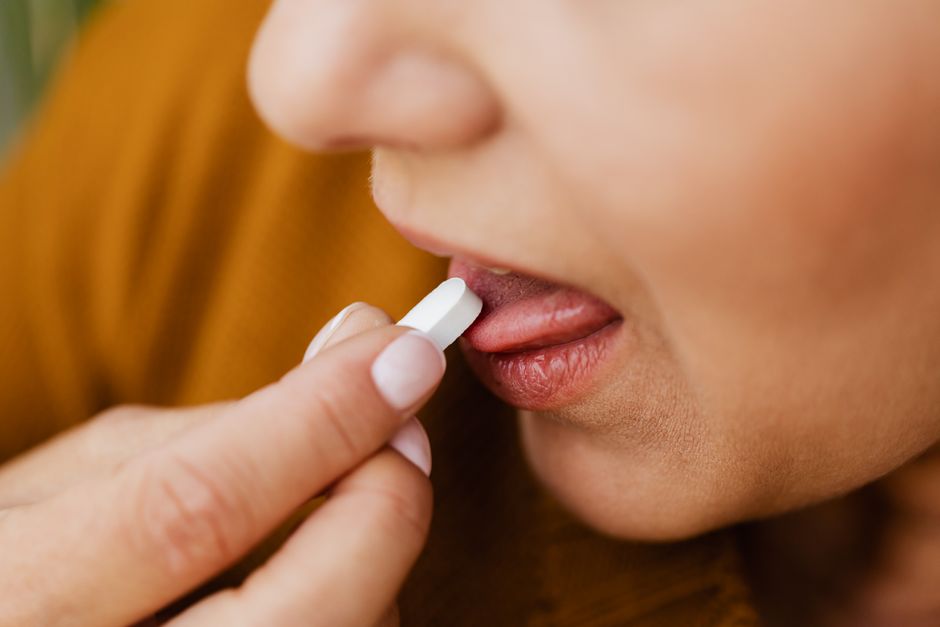
Nexium is a medication used to treat conditions caused by too much stomach acid. Its main job is to lower the amount of acid your stomach makes. Doctors prescribe it for heartburn, acid reflux, and more serious problems like stomach ulcers and GERD.
How Does Nexium Actually Work in Your Body?
Nexium belongs to a class of drugs called proton pump inhibitors (PPIs). It works by blocking the tiny pumps in your stomach lining that produce acid. Think of it like turning off a faucet instead of just mopping up the spill.
Research shows that Nexium is very effective at reducing acid production. It can lower stomach acid by up to 90 percent when taken correctly. This gives damaged tissue in your esophagus or stomach a real chance to heal.
The drug works best when taken 30 to 60 minutes before a meal. Food activates the acid pumps, and Nexium needs to be in your system before that happens. Many people take it first thing in the morning before breakfast.
What Medical Conditions Does Nexium Treat?
Doctors prescribe Nexium for several different conditions. The most common is gastroesophageal reflux disease, or GERD. This happens when stomach acid flows backward into your esophagus and causes burning pain.
Nexium is also used to heal erosive esophagitis. This is a more serious condition where stomach acid has damaged the lining of your esophagus. Studies have found that Nexium heals these erosions in most people within 4 to 8 weeks.
Other uses include treating stomach ulcers caused by NSAIDs like ibuprofen and preventing ulcers in people who must take these painkillers long-term. It is also part of a combination treatment for H. pylori infection, a bacteria that causes ulcers.
Some people take Nexium for Zollinger-Ellison syndrome, a rare condition where tumors cause the stomach to produce too much acid. This requires higher doses and longer treatment.
What Is Nexium Used For Compared to Other Acid Reflux Medications?
You have options when it comes to acid reflux treatment. The table below shows how Nexium compares to other common medications.
| Medication Type | How It Works | How Fast It Works | Typical Use |
|---|---|---|---|
| Nexium (PPI) | Blocks acid production | 1-4 days for full effect | Daily treatment for GERD, ulcers, esophagitis |
| Prilosec (PPI) | Blocks acid production | 1-4 days for full effect | Similar to Nexium, available over the counter |
| Pepcid (H2 blocker) | Reduces acid release | Within 1 hour | Occasional heartburn, milder reflux |
| Tums (antacid) | Neutralizes existing acid | Minutes | Immediate symptom relief |
Nexium is generally stronger and longer-lasting than H2 blockers like Pepcid. But it does not work as fast. For sudden heartburn, an antacid works better. For long-term control, Nexium is often the better choice.
As of 2026, some studies suggest that Nexium may be slightly more effective than Prilosec for healing esophagitis. The difference is small but real. Many insurance plans still cover both options.





What Are the Common Side Effects of Nexium?
Like any medication, Nexium can cause side effects. Most are mild and go away as your body adjusts. The most common ones include headache, nausea, diarrhea, stomach pain, and constipation.
These side effects affect about 1 to 10 percent of people. They usually improve within the first week of treatment. If they do not, or if they get worse, you should talk to your doctor.
Some people report feeling bloated or passing more gas. This happens because less acid in your stomach changes how food is digested. It is not dangerous, but it can be uncomfortable.
Serious side effects are rare. They include severe allergic reactions, kidney problems, and low magnesium levels. Signs of an allergic reaction include rash, swelling, and trouble breathing. Get medical help right away if these happen.
What Are the Long-Term Risks of Taking Nexium?
Taking Nexium for more than a few months comes with some risks. Research has linked long-term PPI use to several health concerns. The evidence is strongest for certain conditions.
Studies have found a higher risk of bone fractures, especially in the hip, wrist, and spine. This seems to happen after one year or more of daily use. The risk is highest in people over 50 who already have osteoporosis.
Long-term use may also increase your risk of kidney disease. Some studies show a 20 to 50 percent higher risk of chronic kidney disease in long-term PPI users. The exact reason is not fully understood.
Other potential risks include vitamin B12 deficiency, magnesium deficiency, and a higher chance of serious gut infections like C. diff. Stomach acid helps kill bacteria in food, so lowering it too much can make you more vulnerable to certain infections.
Current research suggests that most of these risks are linked to long-term use, meaning more than one year. Short-term use for 4 to 8 weeks is generally considered safe. The key is taking the lowest effective dose for the shortest time needed.
How Should You Take Nexium for Best Results?
Nexium comes as a delayed-release capsule or as packets of powder for a liquid suspension. The standard dose for GERD is 20 mg or 40 mg once daily. Your doctor will decide the right dose based on your condition.
Take it at the same time each day, ideally before your first meal. Swallow the capsule whole. Do not crush or chew it. If you have trouble swallowing, you can open the capsule and sprinkle the pellets on applesauce. Eat it right away without chewing.
For the liquid suspension, mix the powder with one tablespoon of water. Let it thicken for 2 to 3 minutes, then drink it within 30 minutes. Do not use other liquids or foods.
Missing a dose is common. If you remember within a few hours, take it. If it is almost time for your next dose, skip the missed one. Do not double up. Taking extra doses does not work faster and increases side effects.
Common Misconceptions About Nexium
Many people think Nexium works instantly for heartburn. It does not. It takes 1 to 4 days to reach full effect. For immediate relief, you need an antacid or an H2 blocker.
Another myth is that you can stop taking it suddenly once you feel better. Stopping PPIs abruptly can cause acid rebound, where your stomach produces even more acid for a few weeks. This makes your symptoms come back stronger. Tapering off slowly under a doctor’s guidance is better.
Some people believe Nexium is addictive. It is not. There is no chemical addiction. But your body can become dependent on it to control acid. That is why stopping should be gradual.
There is also a widespread claim that Nexium causes dementia. This has been widely discussed online. As of 2026, there is no clinical evidence that Nexium directly causes dementia. Some large observational studies have found a link, but these studies cannot prove cause and effect. The topic remains debated, and current research has not confirmed a direct connection.
When Should You See a Doctor Instead of Self-Treating?
Occasional heartburn is normal. But some symptoms need medical attention. If you have heartburn more than twice a week, or if over-the-counter medications do not help, see a doctor.
Seek medical help right away if you have chest pain that feels like pressure or squeezing, especially if it spreads to your arm or jaw. This could be a sign of a heart attack, not heartburn.
Other warning signs include trouble swallowing, pain when swallowing, unexplained weight loss, vomiting blood, or black or tarry stools. These can indicate more serious conditions like ulcers or even cancer.
If you are pregnant or breastfeeding, talk to your doctor before taking Nexium. The drug is generally considered safe during pregnancy, but only when clearly needed.
Frequently Asked Questions
Can I take Nexium every day?
Yes, but only as your doctor prescribes. Long-term daily use should be reevaluated regularly to avoid unnecessary risks.
How long does it take for Nexium to work?
It takes 1 to 4 days for full acid suppression. Some people feel relief within 24 hours, but healing takes weeks.
Is Nexium the same as Prilosec?
No, but they are similar. Both are PPIs. Nexium contains esomeprazole and Prilosec contains omeprazole. They work the same way but differ slightly in effectiveness for some people.
Can I drink alcohol while taking Nexium?
Alcohol does not directly interact with Nexium, but it can irritate your stomach and esophagus. It may make your symptoms worse.
