
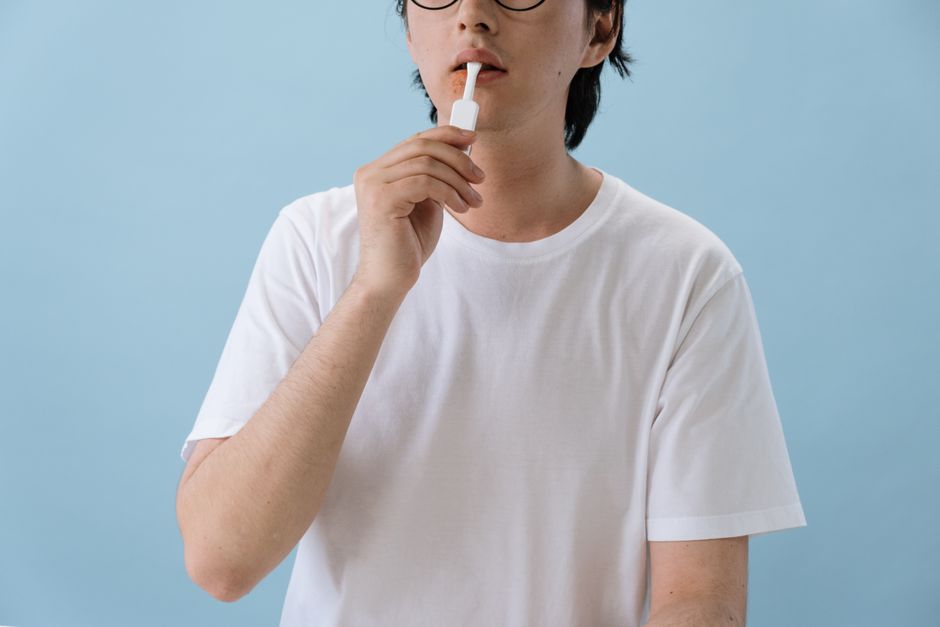
A PCR test for herpes detects the genetic material of the herpes simplex virus (HSV) in a sample taken from a sore, blister, or sometimes blood or spinal fluid. A positive result means the virus’s DNA was found and you have an active infection. A negative result means no viral DNA was detected, but it does not rule out herpes entirely if the sample was taken from a healed or healing sore. This test is the most accurate way to confirm a herpes infection, especially when symptoms are present.
How Is a PCR Test Different From a Herpes Blood Test?
The key difference is what each test looks for. A PCR test looks for the virus itself — its DNA. A blood test looks for antibodies your immune system made in response to the virus. They answer different questions.
PCR tests are the gold standard when you have an active sore. A healthcare provider swabs the sore and sends it to a lab. The lab amplifies any viral DNA present. If the virus is there, the test finds it. Results are clear and direct.
Blood tests for herpes are less straightforward. They detect IgG and IgM antibodies. IgG antibodies show a past infection. IgM antibodies can suggest a recent or active infection, but they are not reliable. Many people have IgM antibodies for other reasons, leading to false positives. The CDC does not recommend using blood tests for herpes screening in people without symptoms.
Research published in the Journal of Clinical Virology found that PCR tests have a sensitivity of over 95% for detecting HSV from genital lesions. Blood tests vary widely in accuracy depending on the brand and the lab.
What Does “What Is A Pcr Test For Herpes And What Results Mean” Actually Tell You?
A positive PCR result means you have an active herpes infection at the site where the sample was taken. It does not tell you how long you have had the virus. It does not tell you if you will have future outbreaks. It confirms that the sore or blister you had was caused by HSV.
The result will also tell you which type of herpes you have. HSV-1 typically causes cold sores around the mouth but can cause genital infections. HSV-2 is more commonly associated with genital herpes. Knowing the type matters for treatment and transmission risk. HSV-1 genital infections tend to recur less often than HSV-2 genital infections.
A negative PCR result means no viral DNA was found in that sample. This is good news but not a guarantee. If the sore was already healing or if the swab did not collect enough cells, the test can miss the virus. The Centers for Disease Control and Prevention (CDC) states that PCR testing from a lesion has a false negative rate of about 5-10% when done correctly.
If your PCR test is negative but you still have symptoms, your doctor may repeat the test or consider other causes. Some skin conditions, like ingrown hairs or contact dermatitis, can look like herpes but are not.
When Should You Get a PCR Test for Herpes?
The best time to get a PCR test is when you have an active sore or blister that looks like herpes. The test works best on fresh, moist lesions. If the sore has crusted over or started healing, the chance of a false negative goes up.
You should not get a PCR test if you have no symptoms and just want to know your status. That is not what the test is designed for. If you have no symptoms but are worried about exposure, a blood test for HSV-2 antibodies is more appropriate — though even that has limitations.
Some situations where a PCR test is used without visible sores include testing spinal fluid for suspected herpes encephalitis, a rare but serious brain infection. This is a different type of PCR test on a different sample. It is not done routinely.
Pregnant women with a history of genital herpes may be offered a PCR test at delivery if they have active lesions. This helps decide whether a cesarean section is needed to reduce transmission risk to the baby.



How Accurate Is the PCR Test for Herpes?
The PCR test is the most accurate test available for diagnosing active herpes. Studies have found its sensitivity to be over 95% for symptomatic lesions. Specificity — the ability to correctly identify people who do not have herpes — is also very high, around 98-99%.
Accuracy depends on sample quality. A good swab from a fresh sore gives the best results. Swabbing a dry, crusted lesion is much less reliable. The lab technique also matters. Not all PCR tests are the same. Some labs use more sensitive methods than others.
False positives are rare but possible. Contamination during sample collection or processing can cause a false positive. If your result is positive but you have no symptoms and no known exposure, your doctor may want to confirm with a second test.
False negatives are more common than false positives. If you have a negative PCR result but strong symptoms, ask your doctor about repeating the test on a fresh sore. The table below summarizes accuracy based on lesion stage.
| Lesion Stage | PCR Sensitivity | Best Practice |
|---|---|---|
| Fresh blister or vesicle | 95% or higher | Ideal time for testing |
| Wet ulcer or sore | 90-95% | Still very reliable |
| Crusted or healing sore | 70-80% | Higher risk of false negative |
| No visible lesion | Not applicable | Blood test is more appropriate |
What Do the Results Mean for Your Health and Relationships?
A positive herpes diagnosis can feel overwhelming, but the medical reality is less dramatic than the stigma. Genital herpes is a common infection. The World Health Organization estimates that 3.7 billion people under age 50 have HSV-1, and 491 million have HSV-2. Most people with herpes do not know they have it.
Having herpes does not mean your sex life is over. It means you need to be honest with partners and take reasonable precautions. Antiviral medications like acyclovir, valacyclovir, and famciclovir can reduce outbreak frequency and lower transmission risk. Daily suppressive therapy reduces transmission to a partner by about 50%, according to research in the New England Journal of Medicine.
Condoms reduce transmission risk but do not eliminate it completely. The virus can shed from skin not covered by a condom. This is called asymptomatic shedding. It happens even when you have no visible sores. PCR testing has shown that people with HSV-2 shed the virus on about 10-20% of days, even without symptoms.
Some people report feeling anxious, depressed, or ashamed after a diagnosis. These feelings are real and valid. Support groups and counseling can help. The medical facts are clear: herpes is a manageable skin condition, not a life-defining disease.
Common Misconceptions About Herpes PCR Testing
A common myth is that a negative PCR test means you are herpes-free. This is not true. A negative PCR test only means no virus was found in that specific sample at that specific time. If you were exposed in the past and have no current outbreak, the PCR test will be negative. That does not mean you are uninfected.
Another misconception is that PCR tests can tell you when you got infected. They cannot. A positive result does not distinguish between a new infection and a reactivation of an old one. Only a blood test showing a change from negative to positive over time can suggest a new infection.
Some people think a PCR test is painful. It is not. The swab touches the sore for a few seconds. It may be slightly uncomfortable but is generally well tolerated. The discomfort of the swab is far less than the discomfort of an untreated outbreak.
A final myth is that you need a PCR test every time you have an outbreak. This is not necessary. Once you have a confirmed diagnosis, your doctor can usually diagnose future outbreaks by looking at them. Repeat PCR testing is only needed if the diagnosis is uncertain or if symptoms change.
What to Avoid When Getting Tested
Do not try to test yourself at home with an over-the-counter kit. At-home herpes tests are not regulated by the FDA for accuracy. Many produce false results that cause unnecessary anxiety or false reassurance. Always go through a healthcare provider or a reputable lab.
Do not assume a positive result from a blood test means you have an active infection. Blood tests detect antibodies, not the virus itself. Many people have HSV-1 antibodies from childhood cold sores and have never had genital herpes. A blood test alone cannot tell you the location of the infection.
Do not ignore symptoms just because a test was negative. If you have recurrent sores or blisters in the genital area and PCR tests keep coming back negative, ask your doctor about other conditions. Behçet’s disease, recurrent aphthous ulcers, and fixed drug eruptions can mimic herpes.
Do not share your diagnosis with people who do not need to know. Herpes stigma is real and often worse than the medical condition. Tell sexual partners before becoming intimate. That is a matter of respect and consent. But you do not owe an explanation to coworkers, acquaintances, or family members.
Frequently Asked Questions
How long does it take to get PCR herpes results?
Most labs return results within 24 to 72 hours. Some clinics offer same-day results depending on their lab setup.
Can a PCR test for herpes be wrong?
Yes, but false negatives are more common than false positives. A negative result from a healing sore is less reliable than from a fresh blister.
Do I need to stop taking antivirals before a PCR test?
No, you do not need to stop antiviral medication. The test can still detect viral DNA even if you are on suppressive therapy.
Can a PCR test tell the difference between HSV-1 and HSV-2?
Yes, PCR tests can distinguish between the two types. This information helps guide treatment and predict recurrence patterns.
