
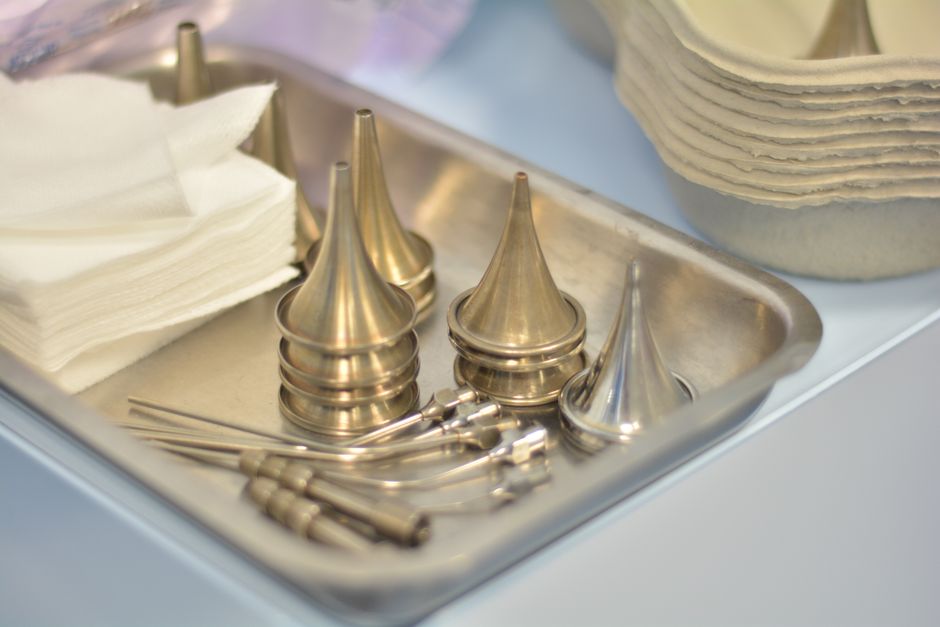
A rigid cystoscopy is a medical procedure where a doctor uses a thin, straight telescope with a camera to look inside your bladder. Recovery usually takes two to three days, with most people returning to normal activities within a week. You can expect some burning during urination, light bleeding, and mild discomfort that fades over 24 to 48 hours. The key facts are that recovery is generally straightforward, complications are rare, and your doctor will give you specific instructions based on what they found during the procedure.
What Exactly Happens During a Rigid Cystoscopy?
A rigid cystoscopy is done under general or local anesthesia, meaning you are either asleep or numb from the waist down. The doctor inserts a rigid metal tube through your urethra and into your bladder. This tube is about the thickness of a pencil and has a light and camera at the tip.
The rigid scope allows the doctor to take tissue samples (biopsies), remove small stones, or treat bleeding. It is different from a flexible cystoscopy, which uses a bendable scope and is usually done awake in an office. A rigid scope gives a clearer view and allows for more procedures during the same visit. According to the American Urological Association, rigid cystoscopy is the standard approach when the doctor needs to do more than just look.
Most rigid cystoscopies take 15 to 30 minutes. You will be in a recovery room for one to two hours afterward before going home. The procedure itself is not painful because of anesthesia, but the recovery period is where you feel the aftereffects.
What Is a Rigid Cystoscopy Procedure Recovery Timeline?
The first 24 hours are the most noticeable. You will feel a burning sensation when you pee, and your urine may look pink or have small blood clots. This is normal and happens because the scope irritates the lining of your urethra and bladder. The CDC notes that minor bleeding occurs in about 30% of patients after rigid cystoscopy.
By day two, the burning usually lessens significantly. Most people describe it as a mild sting that fades by the third day. You may still see a tinge of blood in your urine, but it should not be bright red or have large clots. If bleeding gets worse, call your doctor.
By day three to five, most people feel back to normal. You can return to work, drive, and do light exercise. Avoid heavy lifting, strenuous exercise, and sexual activity for at least one week. Your doctor will tell you when it is safe based on whether they took biopsies or removed something from your bladder.
Research published in the Journal of Endourology found that 85% of patients reported full recovery within seven days. The remaining 15% had mild symptoms like occasional burning that resolved by day ten.
What Are the Most Common Side Effects After a Rigid Cystoscopy?
Side effects are generally mild and short-lived. The most common ones include:
- Burning during urination – affects about 70% of patients and lasts 24 to 48 hours
- Light bleeding in urine – affects about 30% of patients and clears within 48 hours
- Mild lower abdominal discomfort – feels like a dull ache, similar to a mild bladder infection
- Frequent urge to urinate – your bladder feels irritated and wants to empty more often
- Slight fever – a low-grade temperature under 100.4°F can happen but usually resolves without treatment
These symptoms are your body’s normal response to having a tube passed through sensitive tissue. They are not signs of infection unless they get worse instead of better. A study in Urology found that only 2% of patients developed a urinary tract infection after rigid cystoscopy, and those cases were easily treated with antibiotics.
If you have severe pain, heavy bleeding, fever over 101°F, or inability to urinate, contact your doctor immediately. These are rare but do happen.





How Does Recovery Compare Between Rigid and Flexible Cystoscopy?
People often ask which type of cystoscopy is better. The answer depends on why you need it. A flexible cystoscopy is done awake with local numbing gel and has almost no recovery time. You can go back to work the same day. But the flexible scope cannot take biopsies or treat problems.
A rigid cystoscopy requires anesthesia and has a longer recovery, but it allows the doctor to do more. If you need a biopsy, stone removal, or treatment for bleeding, rigid is the only option. The recovery trade-off is worth it for the diagnostic and therapeutic benefit.
| Factor | Rigid Cystoscopy | Flexible Cystoscopy |
|---|---|---|
| Anesthesia | General or spinal | Local gel only |
| Procedure time | 15–30 minutes | 5–10 minutes |
| Recovery time | 2–7 days | Same day |
| Can take biopsies | Yes | No |
| Can remove stones | Yes | No |
| Pain after procedure | Moderate for 1–2 days | Mild for a few hours |
| Urinary burning | Common for 2–3 days | Mild for 1 day |
According to the National Institute of Diabetes and Digestive and Kidney Diseases, most people who need a rigid cystoscopy are glad they had it done because the results are more complete. The recovery is a few days of inconvenience for a much clearer picture of what is happening in your bladder.
What Should You Do to Help Recovery Go Smoothly?
Drink plenty of water for the first 48 hours. Aim for eight to ten glasses per day. This dilutes your urine and reduces the burning sensation. It also helps flush out any small blood clots.
Avoid caffeine, alcohol, and spicy foods for two to three days. These can irritate your bladder further and make burning worse. Stick to bland foods and non-acidic drinks like water or herbal tea.
Take over-the-counter pain relievers if needed. Acetaminophen (Tylenol) or ibuprofen (Advil) work well for the mild discomfort. Avoid aspirin because it can increase bleeding. Your doctor may prescribe a urinary pain reliever like phenazopyridine (Pyridium) that turns your urine orange but numbs the bladder lining.
Rest for the first 24 hours. Do not drive if you had general anesthesia because the effects can last longer than you think. Walking around the house is fine, but avoid sitting for long periods or straining during bowel movements.
Some people report that applying a warm compress to the lower abdomen helps with the dull ache. This is not backed by strong evidence, but many patients find it soothing. The American College of Surgeons notes that warmth can relax pelvic muscles and reduce discomfort after urologic procedures.
When Should You Be Concerned About Recovery?
Most people recover without problems, but some signs warrant a call to your doctor. If you cannot urinate within eight hours of the procedure, that is a red flag. Your urethra may be swollen enough to block the flow.
If your urine turns bright red or has clots the size of a quarter, that is more than normal bleeding. Normal bleeding looks like pink urine or small stringy clots. Bright red blood with large clots means something is bleeding actively.
Fever over 101°F is a sign of infection. A low-grade fever under 100.4°F is common and not concerning. But if your temperature climbs or you have chills, you may have a urinary tract infection that needs antibiotics.
Pain that gets worse after the first day instead of better is also a concern. The normal pattern is that pain peaks in the first 12 hours and then steadily decreases. If you are hurting more on day two than you did on day one, call your doctor.
Research published in the British Journal of Urology International found that complications requiring medical attention occurred in less than 3% of rigid cystoscopy cases. The most common complication was a urinary tract infection, followed by temporary difficulty urinating. Serious complications like bladder perforation are extremely rare, happening in about 1 in 1,000 procedures.
Common Misconceptions About Rigid Cystoscopy Recovery
One common myth is that you cannot go home the same day. This is false. Almost everyone goes home within two hours of the procedure. Rigid cystoscopy is an outpatient procedure unless you have another medical condition that needs monitoring.
Another myth is that the bleeding means something went wrong. It does not. The scope passes through the urethra, which has a delicate lining. Even gentle contact can cause small blood vessels to leak. Pink urine for 24 to 48 hours is expected, not a sign of injury.
Some people believe they should avoid drinking water to reduce urination and pain. This is the opposite of what you should do. Drinking more water makes urine less concentrated and less irritating. Holding your urine can cause bladder spasms that hurt more.
A persistent misconception is that you will need a catheter after a rigid cystoscopy. This is only true if your doctor removed a large stone or did extensive work inside your bladder. For a routine diagnostic rigid cystoscopy, you will urinate on your own within a few hours.
The American Urological Association states that up to 90% of patients who have a rigid cystoscopy do not need a catheter afterward. If you do need one, it is usually removed the next morning.
Frequently Asked Questions
How long does burning last after a rigid cystoscopy?
Burning during urination typically lasts 24 to 48 hours. Drinking plenty of water helps reduce the sensation.
Can I drive myself home after a rigid cystoscopy?
No, you should not drive for at least 24 hours if you had general anesthesia. Arrange for someone to take you home.
When can I return to work after a rigid cystoscopy?
Most people return to desk work within two to three days. If your job involves heavy lifting, wait at least one week.
Is bleeding after a rigid cystoscopy normal?
Yes, light bleeding or pink urine for 24 to 48 hours is normal. Call your doctor if you see bright red blood or large clots.
