
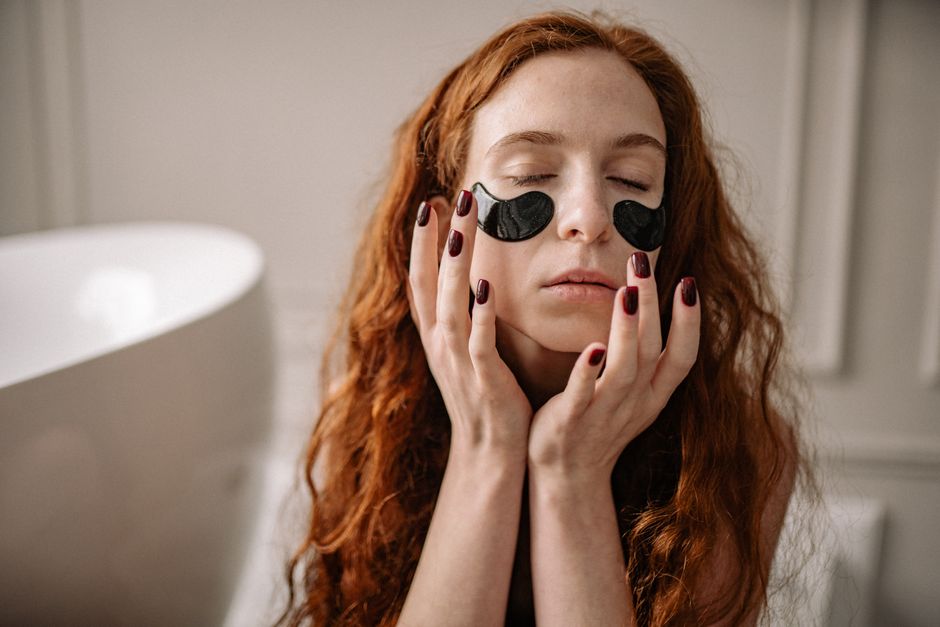
Red, bloodshot eyes can make you look tired, sick, or irritated. The good news is that most causes of red eyes are temporary and fixable. The fastest fix for red eyes is a lubricating eye drop without vasoconstrictors, often called artificial tears. If your eyes are red from dryness, allergies, or eye strain, these drops work within minutes to soothe and clear the redness. For redness caused by smoke, chlorine, or lack of sleep, a cool compress or a short nap can also bring quick relief.
What Actually Causes Red Eyes in the First Place?
Red eyes happen when the small blood vessels on the surface of your eye expand or swell. This is called vasodilation. Your body does this to bring more blood flow to the area, usually in response to an irritant or a lack of oxygen.
The most common causes are dry air, staring at screens for too long, allergies, smoke, and lack of sleep. Contact lens wearers often get red eyes from overwearing lenses or not cleaning them properly. Chlorine in pools and makeup that gets into the eye can also trigger redness.
Research published in the journal Ophthalmology found that dry eye disease is one of the most underdiagnosed causes of chronic red eyes. Many people assume their eyes are just tired when the real issue is insufficient tear production. The American Academy of Ophthalmology reports that nearly 5 million Americans over age 50 have dry eye, and redness is a primary symptom.
How To Get Rid Of Red Eyes Fast Fixes That Work
The fastest way to get rid of red eyes is to use preservative-free artificial tears. These drops lubricate the eye surface and flush out irritants. Unlike redness-reducing drops, they do not shrink blood vessels. They simply address the dryness that causes the redness in the first place.
If your eyes are red from allergies, antihistamine eye drops work well. Look for drops containing ketotifen or olopatadine. These block the histamine response that causes itching and redness. They take about 15 to 30 minutes to provide relief and can last for hours.
A cool compress is another fast fix. Soak a clean cloth in cool water, wring it out, and place it over closed eyes for 5 to 10 minutes. This constricts blood vessels naturally and reduces swelling. It works especially well for redness caused by fatigue or minor irritation.
For screen-related redness, the 20-20-20 rule helps. Every 20 minutes, look at something 20 feet away for 20 seconds. This relaxes the eye muscles and allows your blink rate to return to normal. When you stare at screens, you blink about half as often as normal, which dries out the eyes.
Do Redness-Reducing Eye Drops Actually Help?
Over-the-counter redness-reducing drops like Visine and Clear Eyes contain vasoconstrictors. These are drugs that shrink blood vessels in the eye. They work fast, often within one minute, and can make your eyes look dramatically whiter.
But there is a catch. These drops do not treat the underlying cause of redness. They simply mask it. If you use them more than a few days in a row, your eyes can develop rebound redness. This means when the drop wears off, the blood vessels expand even more than before, making your eyes redder than they started.
The American Academy of Ophthalmology advises against regular use of vasoconstrictor drops. They are fine for occasional use, like before a big event or a photo. But they should not be your daily solution. The more you use them, the less effective they become, and the harder it is to stop.
Preservative-free artificial tears are a safer long-term option. They do not cause rebound redness and can be used as often as needed. Many people find that consistent use of artificial tears prevents redness from developing in the first place.
| Type of Drop | How It Works | Best For | Risk of Rebound Redness |
|---|---|---|---|
| Artificial tears (preservative-free) | Lubricates and flushes irritants | Dryness, screen use, minor irritation | None |
| Antihistamine drops | Blocks histamine response | Allergies, itching | Low |
| Vasoconstrictor drops (e.g., Visine) | Shrinks blood vessels | Occasional cosmetic use | High with frequent use |




What Home Remedies Work for Red Eyes?
Several home remedies can help red eyes without the need for drops. Cold water splashes can provide immediate relief by rinsing out irritants. Simply splash your closed eyes with cool water several times.
Warm compresses work differently than cold ones. A warm compress helps unblock oil glands along your eyelid margins. When these glands are clogged, your tears evaporate faster, leading to dry eyes. A warm compress for 5 to 10 minutes can improve tear quality and reduce redness over time.
Hydration matters more than most people realize. Your eyes need fluid to produce tears. If you are dehydrated, your tear production drops. The CDC recommends women drink about 11 cups of water per day and men about 15 cups from all sources, including food. Adequate hydration alone can reduce redness in some people.
Sleep is another powerful remedy. Studies have shown that sleep deprivation increases blood flow to the eyes, causing redness. One study found that even one night of poor sleep increased eye redness significantly. If your eyes are red from lack of sleep, a 20-minute power nap can help. A full night of rest is even better.
When Should You See a Doctor for Red Eyes?
Most red eyes are harmless and go away on their own. But some cases need medical attention. If you have eye pain, sensitivity to light, or blurred vision along with redness, see a doctor. These symptoms can indicate an infection, corneal abrasion, or acute glaucoma.
Red eyes accompanied by discharge, especially thick yellow or green mucus, may be a sign of conjunctivitis, commonly called pink eye. Bacterial conjunctivitis usually requires antibiotic drops. Viral conjunctivitis usually resolves on its own but is highly contagious.
If you wear contact lenses and develop red eyes that do not improve within a few hours, remove your lenses and see an eye doctor. Contact lens-related red eye can be a sign of a corneal ulcer, which is a medical emergency. The CDC reports that contact lens wearers are at higher risk for corneal infections, especially if they sleep in their lenses or use them past their replacement date.
People with autoimmune conditions like rheumatoid arthritis or lupus may experience chronic red eyes from dry eye disease. If artificial tears do not help, a doctor can prescribe anti-inflammatory drops like cyclosporine or lifitegrast.
What Common Mistakes Make Red Eyes Worse?
Using vasoconstrictor drops daily is the most common mistake people make. These drops create a cycle of dependence where your eyes look worse without them. Many people end up using them multiple times per day just to maintain a normal appearance.
Another mistake is rubbing your eyes. Rubbing can break small blood vessels on the surface of the eye, making redness worse. It can also introduce bacteria from your hands into your eye, increasing infection risk. If your eyes itch, use a cold compress or antihistamine drops instead.
Sleeping in contact lenses is dangerous. Even lenses approved for overnight wear increase infection risk. The FDA reports that sleeping in contacts makes you 6 to 8 times more likely to get a corneal infection. Always remove lenses before sleep, even for naps.
Using expired eye drops is also a problem. Once a bottle of preservative-free drops is opened, it should be discarded after 24 hours. Preserved drops have a longer shelf life but still expire. Using expired drops can introduce bacteria into your eye, causing infection and more redness.
Some people also make the mistake of ignoring their screen habits. Blue light from screens does not directly cause redness, but reduced blink rate does. When you focus on a screen, your blink rate drops from about 15 blinks per minute to just 5 or 6. This dries your eyes out quickly. Taking regular breaks is not optional if you want to prevent screen-related redness.
Frequently Asked Questions
How long does it take for red eyes to go away?
With proper treatment like artificial tears or a cool compress, redness usually fades within 15 to 30 minutes. If the cause is lack of sleep, it may take a few hours of rest.
Can I use Visine every day for red eyes?
No, Visine and similar drops should only be used occasionally. Daily use can cause rebound redness where your eyes become redder when the drop wears off.
Does drinking water help red eyes?
Yes, staying hydrated supports tear production. Dehydration can make dry eyes worse, which leads to redness. Drinking enough water helps prevent this.
Are red eyes a sign of high blood pressure?
Not usually. Red eyes are more often caused by dryness, allergies, or eye strain. However, severely high blood pressure can cause blood vessels in the eye to burst, leading to a bright red patch.
