

Fasting blood sugar is the amount of glucose in your blood after you have not eaten for at least 8 hours. For most healthy adults, a normal fasting blood sugar level is below 100 mg/dL. Levels between 100 and 125 mg/dL indicate prediabetes, and a fasting level of 126 mg/dL or higher on two separate tests indicates diabetes. While the diagnostic thresholds are the same for adults of all ages, the way your body handles glucose does change as you get older, and some experts suggest that slightly higher targets may be appropriate for older adults.
What Is A Normal Fasting Blood Sugar Level By Age?
The standard diagnostic ranges for fasting blood sugar do not change by age for adults. A fasting glucose of 70 to 99 mg/dL is considered normal for most healthy adults. The American Diabetes Association uses these same ranges for all adults, regardless of age.
However, clinical practice often differs for older adults. Many geriatric guidelines suggest that for people over 65 with multiple health conditions or a limited life expectancy, a slightly higher fasting glucose target—often up to 110 or 120 mg/dL—may be acceptable. This is not because the definition of diabetes changes. It is because the risks of aggressive blood sugar lowering, such as hypoglycemia and falls, can outweigh the benefits in this population.
For children and teenagers, the same fasting glucose ranges apply. A fasting level below 100 mg/dL is normal for children. The diagnostic thresholds for prediabetes and diabetes are the same as for adults.
How The Body Regulates Fasting Blood Sugar
Your body maintains blood sugar within a narrow range through a precise system involving the pancreas, liver, and hormones. After a meal, carbohydrates are broken down into glucose, which enters the bloodstream. The pancreas releases insulin, a hormone that signals cells to take up glucose for energy or storage.
When you fast, insulin levels drop and another hormone called glucagon rises. Glucagon signals the liver to release stored glucose into the blood. This keeps your blood sugar stable even when you have not eaten for hours. A normal fasting reading means this system is working without strain.
If your fasting blood sugar is elevated, it usually means one of two things. Either your cells are not responding to insulin as well as they should—a condition called insulin resistance—or your pancreas is not producing enough insulin. Both are central features in the development of type 2 diabetes.
Why Fasting Blood Sugar Rises With Age
Research consistently shows that fasting blood sugar tends to increase slightly with age, even in people without diabetes. Several factors contribute to this change.
Muscle mass naturally declines with age, and muscle is a major site of glucose uptake. Less muscle means less capacity to remove glucose from the blood. Insulin sensitivity also tends to decrease with age, meaning cells do not respond to insulin as efficiently. The pancreas may also produce less insulin over time.
Physical activity often decreases with age, which further reduces glucose disposal. Medications, changes in body fat distribution, and hormonal shifts also play a role. These changes explain why the average fasting glucose in a healthy 70-year-old might be slightly higher than the average in a healthy 30-year-old, even though both fall in the normal range.




Prediabetes And Diabetes Thresholds
The medical community uses specific numbers to classify blood sugar status. These thresholds are based on the risk of developing diabetes complications, particularly damage to the eyes, kidneys, and nerves.
A fasting blood sugar of 100 to 125 mg/dL is classified as prediabetes. This means blood sugar is higher than normal but not high enough to be diabetes. Prediabetes is a warning sign, not a diagnosis of disease. Many people with prediabetes return to normal levels with weight loss, dietary changes, and increased physical activity.
A fasting blood sugar of 126 mg/dL or higher, confirmed on a second test, indicates diabetes. At this level, the risk of long-term complications increases significantly. The diagnosis is the same regardless of age, but treatment targets may differ based on a person’s overall health.
| Fasting Blood Sugar Level | Classification |
|---|---|
| Below 100 mg/dL | Normal |
| 100–125 mg/dL | Prediabetes |
| 126 mg/dL or higher | Diabetes (confirmed on repeat testing) |
How Age Affects Treatment Targets
Age matters most when doctors set treatment goals for people who already have diabetes. For younger adults with diabetes, the goal is usually an A1C below 7 percent. A1C is a measure of average blood sugar over the past two to three months.
For older adults, especially those over 65, treatment goals are often less strict. Many clinical guidelines recommend an A1C target of 7.5 to 8.5 percent for older adults with multiple health conditions or who take medications that can cause low blood sugar. The reason is safety. Low blood sugar, called hypoglycemia, can cause confusion, falls, seizures, and even death in older adults.
This does not mean high blood sugar is acceptable in older adults. It means the balance between controlling blood sugar and avoiding dangerous lows shifts with age and overall health status. A healthy 70-year-old with no other medical conditions may benefit from the same targets as a younger adult.
How To Get An Accurate Fasting Blood Sugar Reading
An accurate fasting reading depends on how you prepare. The test requires at least 8 hours without food or drink other than water. Coffee, tea, juice, and soda all break the fast because they contain calories or caffeine that can affect glucose levels.
Several factors can temporarily raise fasting blood sugar. Poor sleep, stress, illness, and certain medications can all cause higher readings. Even exercising the evening before can affect morning glucose in some people. A single elevated reading is not enough to diagnose anything. If your fasting glucose is high, your doctor will typically repeat the test on a different day to confirm.
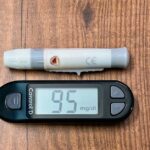
If you are checking your blood sugar at home with a glucose meter, the same preparation rules apply. Wash your hands before testing, use a fresh lancet, and make sure your test strips are not expired. Home meters are accurate for tracking trends but are not used alone to diagnose diabetes. A laboratory blood test from a vein is the standard for diagnosis.
Lifestyle Factors That Keep Fasting Blood Sugar Normal
Several lifestyle habits have strong evidence for maintaining healthy blood sugar levels at any age. Regular physical activity is among the most effective. Both aerobic exercise and resistance training improve insulin sensitivity and help muscles take up glucose more efficiently.
Dietary patterns matter as well. Diets rich in whole grains, vegetables, legumes, and lean protein are consistently associated with lower fasting glucose. Diets high in refined carbohydrates and added sugars are associated with higher fasting glucose and a greater risk of developing type 2 diabetes.
Body weight is another major factor. Excess weight, particularly around the abdomen, is strongly linked to insulin resistance. Studies consistently show that losing 5 to 7 percent of body weight can reduce the risk of progressing from prediabetes to diabetes. Sleep quality also matters. Short or poor-quality sleep is associated with higher fasting glucose and reduced insulin sensitivity.
No supplement has been proven to lower fasting blood sugar to normal levels in people without diabetes. Some supplements, such as berberine and cinnamon, have shown modest effects in small studies, but the evidence is not strong enough to recommend them as treatment. The most reliable approach remains diet, exercise, and weight management.
When To See A Doctor
Fasting blood sugar testing is part of routine health screenings. Most adults should have their blood sugar checked at least every three years starting at age 45, according to standard preventive care guidelines. Testing may start earlier or happen more frequently if you have risk factors such as obesity, a family history of diabetes, high blood pressure, or a history of gestational diabetes.
See a doctor if you experience symptoms of high blood sugar, including increased thirst, frequent urination, unexplained weight loss, fatigue, or blurred vision. These symptoms can develop gradually, and many people with prediabetes or early diabetes have no symptoms at all.
If you receive a diagnosis of prediabetes, take it seriously but do not panic. Prediabetes is reversible for many people. Research consistently shows that lifestyle intervention is more effective than medication for preventing progression to diabetes. The key is acting on the information early.
Frequently Asked Questions
What is a normal fasting blood sugar for a 60-year-old?
A normal fasting blood sugar for a 60-year-old is below 100 mg/dL, the same as for any adult. Some clinicians accept slightly higher targets for older adults with health conditions, but the diagnostic threshold for normal does not change with age.
Is 105 fasting blood sugar bad?
A fasting blood sugar of 105 mg/dL falls in the prediabetes range of 100 to 125 mg/dL. It is not diabetes, but it indicates higher than normal blood sugar and an increased risk of developing diabetes in the future.
Can fasting blood sugar return to normal?
Yes, especially in the prediabetes range. Weight loss, regular physical activity, and dietary changes can bring fasting blood sugar back to normal levels in many people.
Does fasting blood sugar increase with age?
Fasting blood sugar tends to increase slightly with age due to reduced muscle mass, decreased insulin sensitivity, and other metabolic changes. However, the normal range remains below 100 mg/dL regardless of age.
