

Uric acid is a waste product your body makes when it breaks down purines, which are natural substances found in your cells and in many foods. A normal uric acid level in the blood typically falls between 3.5 and 7.2 milligrams per deciliter (mg/dL) for adult men, and between 2.6 and 6.0 mg/dL for adult women. Most people fall within this range without any health issues, and the body continuously filters uric acid through the kidneys and removes it in urine.
Having a number outside this range does not automatically mean you are sick. Many people with high uric acid never develop symptoms, while others with only a mildly elevated level may experience problems. Doctors use uric acid blood tests alongside other information — like joint pain, family history, and kidney function — to diagnose conditions such as gout or kidney stones.
What Is A Normal Uric Acid Level In The Blood?
Normal ranges vary slightly from one laboratory to another, but the medical community generally accepts the following reference values. For adult men, normal is 3.5 to 7.2 mg/dL. For adult women, normal is 2.6 to 6.0 mg/dL. For children, normal values are lower, generally between 2.0 and 5.5 mg/dL.
These differences exist because estrogen helps women excrete uric acid more efficiently. After menopause, women’s uric acid levels often rise and can approach the range seen in men. Laboratories report these reference ranges on your test result sheet, and your doctor interprets your number in the context of your sex, age, and overall health.
A single blood test captures only a moment in time. Uric acid fluctuates throughout the day and can be affected by what you ate recently, how hydrated you are, and which medications you take. If your level is borderline, your doctor may order a second test before making any decisions.
What Do High Uric Acid Levels Mean?
High uric acid, called hyperuricemia, occurs when your body produces too much uric acid or your kidneys do not remove enough of it. Levels above 7.0 mg/dL in men and above 6.0 mg/dL in women are considered elevated. However, many people with these numbers never develop symptoms.
When uric acid crystals form and deposit in joints, they cause gout — a form of arthritis characterized by sudden, severe joint pain, redness, and swelling. The big toe is the classic location, but gout can affect ankles, knees, wrists, and elbows. Crystals can also collect in the urinary tract and form kidney stones.
Not everyone with high uric acid develops gout or kidney stones. Research suggests that only about one in five people with elevated uric acid will experience a gout attack. The risk rises as levels climb, especially above 9.0 mg/dL, but the connection is not absolute. Some people with very high levels never have an attack, while others with only mildly elevated levels do.
What Do Low Uric Acid Levels Mean?
Low uric acid is less common and usually less concerning. Levels below 2.0 mg/dL in either sex are considered low. Mildly low levels often cause no symptoms and may be discovered by accident during routine blood work.
Several factors can lower uric acid. Certain medications — particularly allopurinol, which is prescribed for gout — intentionally reduce uric acid. Severe liver disease, kidney disease that causes excessive uric acid excretion, and some genetic conditions can also cause low levels. In rare cases, very low uric acid has been associated with nerve damage, but this is uncommon and typically only appears with extremely low levels over a long period.
If your uric acid is low but you have no symptoms and no underlying condition, your doctor may simply monitor it. Low uric acid does not require treatment on its own.

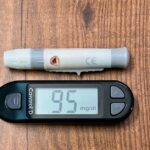



What Causes Uric Acid Levels To Rise?
Several factors can push uric acid above the normal range. Diet plays a significant role. Foods rich in purines — such as red meat, organ meats, shellfish, and certain fish like sardines and anchovies — increase uric acid production. Alcohol, especially beer, and sugary drinks sweetened with fructose also raise levels.
Body weight matters. Adipose tissue produces more uric acid, and carrying excess weight makes it harder for kidneys to filter it out. Obesity is one of the strongest risk factors for hyperuricemia.
Kidney function is central to uric acid regulation. If your kidneys are not filtering efficiently — due to chronic kidney disease, dehydration, or certain medications like diuretics — uric acid accumulates in the blood. Other medications, including low-dose aspirin and some blood pressure drugs, can also raise levels.
Genetics influence how efficiently your body processes and excretes uric acid. Some people inherit a tendency toward high levels even with a healthy diet. Medical conditions like psoriasis, certain blood cancers, and metabolic syndrome are also associated with elevated uric acid.
How Is Uric Acid Tested?
Uric acid is measured through a simple blood test. A healthcare professional draws blood from a vein in your arm, and the sample is sent to a laboratory for analysis. No special preparation is required, though some doctors recommend fasting for 4 to 8 hours beforehand because recent food intake can slightly affect results.
Your doctor may also order a urine test that collects all urine over 24 hours. This test measures how much uric acid your kidneys are excreting. It helps distinguish between people who produce too much uric acid and those who do not excrete enough. This distinction matters because it guides treatment choices.
Results are typically available within a few days. Your doctor will explain what your number means in the context of your symptoms and other test results.
How Are High Uric Acid Levels Managed?
Management depends on whether you have symptoms. For people with elevated uric acid but no gout attacks or kidney stones, doctors often recommend lifestyle changes rather than medication. The evidence for dietary changes is solid: reducing red meat and shellfish intake, limiting alcohol, avoiding sugary drinks, and drinking plenty of water can all help lower uric acid.
Weight loss is effective. Studies show that losing excess weight reduces uric acid levels and lowers the risk of gout attacks. The effect appears within months and continues as weight decreases.
For people who experience gout attacks or have kidney stones, medication may be necessary. Two main types of drugs are used. Xanthine oxidase inhibitors, like allopurinol and febuxostat, reduce the amount of uric acid your body produces. Uricosuric drugs, like probenecid, help your kidneys remove more uric acid through urine. These medications are effective but require careful monitoring, and they are not appropriate for everyone.
If you have high uric acid, talk to your doctor before making any treatment decisions. Never start or stop medication without medical guidance.
Can You Lower Uric Acid Naturally?
Some research suggests that certain dietary choices may help. Cherries and cherry extract have been studied for their potential to reduce uric acid and inflammation. Some studies show modest benefits, but the quality of evidence varies, and cherry products are not a substitute for medical treatment.
Vitamin C supplementation has also been examined. Some research indicates that vitamin C may increase uric acid excretion and lower blood levels. The effect appears modest, and large human trials have not confirmed a clear clinical benefit for preventing gout attacks.
Coffee has shown a consistent association with lower uric acid levels in observational studies. The effect appears related to long-term consumption rather than a single cup, and the mechanism is not fully understood. Decaffeinated coffee may have a similar effect, suggesting caffeine is not the active component.
These natural approaches may support uric acid management, but they are not proven treatments. No food or supplement has been shown to cure gout or reliably prevent attacks. If you take medication for high uric acid, continue taking it as prescribed and discuss any dietary changes with your doctor.
When Should You See A Doctor?
Uric acid testing is not part of routine annual blood work for most people. Your doctor may order the test if you have symptoms that suggest gout or kidney stones. Sudden, severe joint pain — especially in the big toe — warrants medical evaluation. So does blood in the urine, severe flank pain, or difficulty urinating.
If you have a family history of gout or kidney stones, mention this to your doctor. You may benefit from baseline testing. People with chronic kidney disease, diabetes, or metabolic syndrome may also need periodic uric acid checks because these conditions are associated with elevated levels.
An elevated uric acid level on a blood test is not an emergency. But it is a reason to have a conversation with your doctor about your risk factors, your diet, and whether any further testing is needed.
Frequently Asked Questions
What is a dangerous uric acid level?
Levels above 9.0 mg/dL carry a significantly higher risk of gout attacks and kidney stones, but there is no single number that is universally dangerous. Your overall health, kidney function, and symptoms matter more than the number alone.
Can drinking water lower uric acid?
Yes, staying well hydrated helps your kidneys excrete uric acid more efficiently. Aim for enough fluids to keep your urine light yellow, but do not expect water alone to bring a very high level into the normal range.
Does high uric acid always cause gout?
No. Most people with elevated uric acid never develop gout. Only about one in five people with high levels will experience a gout attack, and the risk increases as levels rise.
How quickly can uric acid levels change?
Uric acid can change within days in response to diet, hydration, and medications. A single blood test reflects only that moment, which is why doctors may repeat testing before making a diagnosis.
