
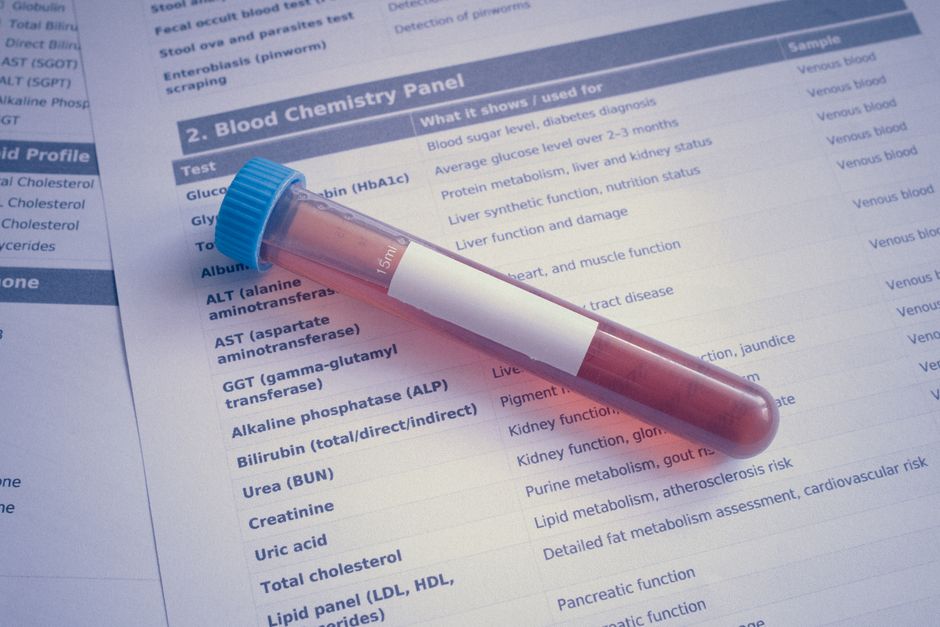
A complete blood count, or CBC, measures the main types of cells in your blood. For most adult women, normal ranges are roughly 12.0 to 15.5 grams per deciliter for hemoglobin, 36% to 46% for hematocrit, 4.0 to 5.2 million cells per microliter for red blood cells, and 4,500 to 11,000 cells per microliter for white blood cells. Platelets usually fall between 150,000 and 450,000 per microliter.
Those numbers are a starting point, not a verdict. What counts as normal shifts with age, pregnancy, altitude, and the lab running your test. A result just outside the range is common and often harmless. A result inside the range does not always mean everything is fine.
What Is A Normal Blood Count For A Woman Cbc Ranges?
A CBC reports several measurements at once, and each one has its own reference range. The ranges below reflect typical adult female values used by many clinical laboratories.
| Test | Typical range for adult women |
|---|---|
| Hemoglobin | 12.0–15.5 g/dL |
| Hematocrit | 36%–46% |
| Red blood cell count | 4.0–5.2 million cells/µL |
| White blood cell count | 4,500–11,000 cells/µL |
| Platelet count | 150,000–450,000/µL |
| MCV (average red cell size) | 80–100 femtoliters |
Ranges differ slightly between laboratories because each lab sets its own reference intervals based on the equipment and the local population it serves. Always compare your result to the range printed on your own report.
Menstruating women tend to run lower on hemoglobin and hematocrit than men. That is expected. Monthly blood loss uses up iron, and iron is what your body needs to build hemoglobin.
Why Are Women’s Ranges Different From Men’s?
The main reason is menstruation. Regular monthly blood loss removes iron from the body, and iron is a core building block of hemoglobin. Over time, this lowers the average hemoglobin level in menstruating women compared with men.
Hormones play a role too. Testosterone stimulates red blood cell production. Men have more of it, so their bodies make more red blood cells.
This is why a hemoglobin of 12.5 g/dL might be flagged as low for a man but sit comfortably inside the normal range for a woman. The same number means different things depending on who you are.
After menopause, women’s hemoglobin levels often drift upward toward the male range. If a postmenopausal woman has a hemoglobin that suddenly rises, that change is worth discussing with a clinician.
What Does Each Part of the CBC Actually Measure?
Understanding what each number represents makes your report far easier to read.
- Hemoglobin — the protein in red blood cells that carries oxygen. It is the single most important number for detecting anemia.
- Hematocrit — the percentage of your blood volume made up of red blood cells. It usually tracks closely with hemoglobin.
- Red blood cell count — how many red blood cells you have per microliter of blood.
- White blood cell count — your immune cells. A high count can signal infection or inflammation. A low count can signal a viral illness or a problem with the bone marrow.
- Platelet count — the cell fragments that help blood clot. Too few can cause easy bruising or bleeding. Too many can raise clotting risk.
- MCV — the average size of your red blood cells. Small cells often point to iron deficiency. Large cells can point to vitamin B12 or folate deficiency, among other causes.
Your report may also include a differential, which breaks down the white blood cells into subtypes like neutrophils, lymphocytes, and eosinophils. Each subtype has its own reference range. The differential helps clinicians narrow down what kind of problem might be present.

What Causes a Low Hemoglobin in Women?
Iron deficiency is the most common cause of low hemoglobin in women of reproductive age. Heavy menstrual bleeding is a frequent reason. So is pregnancy, which dramatically increases the body’s iron demand.
Other causes include:
- Chronic blood loss from the digestive tract
- Low dietary iron intake or poor absorption
- Vitamin B12 or folate deficiency
- Chronic kidney disease
- Inflammatory conditions that affect how the body uses iron
- Genetic conditions affecting hemoglobin, such as thalassemia
Symptoms of low hemoglobin include fatigue, shortness of breath with activity, pale skin, and feeling cold. But many women with mild anemia have no symptoms at all. That is one reason routine blood work matters.
Iron deficiency and iron deficiency anemia are not the same thing. You can have low iron stores with a normal hemoglobin. The CBC alone will not catch that. A ferritin test, which measures stored iron, is often needed.
What About a High White Blood Cell Count?
A white blood cell count above 11,000 cells/µL is considered elevated. The most common cause is a recent or current infection. The body ramps up white cell production to fight off bacteria or viruses.
Other causes include inflammation, physical stress, corticosteroid medications, smoking, and in less common cases, blood cancers like leukemia.
A single high reading is rarely alarming on its own. Clinicians usually look at the trend over time and at which specific white cell types are elevated. A neutrophil-heavy elevation points in a different direction than a lymphocyte-heavy one.
Mild elevations are common and often resolve on their own. Persistent or marked elevations need further investigation.
Can Your CBC Be Normal and Still Miss Something?
Yes. A normal CBC rules out certain problems but not all of them. It is a screening tool, not a complete picture of your health.
For example, you can have low iron stores, low vitamin B12, or early thyroid disease with a perfectly normal CBC. Those conditions require separate tests. A CBC also cannot detect most early cancers, autoimmune diseases, or hormonal imbalances.
The reverse is also true. A slightly abnormal result does not automatically mean disease. Dehydration can raise hematocrit. A recent cold can nudge your white count. Strenuous exercise can temporarily change several values. Lab results are one piece of a larger clinical picture.
When Should You Talk to a Doctor About Your Results?
Any result flagged as outside the reference range deserves a conversation with your clinician. That does not mean something is wrong. It means the number is worth interpreting in context.
Seek prompt medical attention if you have unexplained bruising or bleeding, persistent fatigue that interferes with daily life, shortness of breath at rest, or a fever alongside an abnormal white count.
Bring your actual report to the visit, not just a summary. Trends over time matter more than any single test. A hemoglobin that dropped from 14 to 12 over six months tells a different story than one that has sat at 12 for years.
No clinical guidelines currently recommend a specific screening schedule for CBC testing in healthy, asymptomatic women. Some clinicians order it annually. Others order it based on symptoms or risk factors. That variation reflects genuine uncertainty about the value of routine screening in low-risk adults.
Frequently Asked Questions
What is a normal hemoglobin level for a woman?
For most adult women, a normal hemoglobin level is roughly 12.0 to 15.5 grams per deciliter. Levels below 12.0 g/dL are generally considered low, though the exact cutoff varies slightly by laboratory.
Is a platelet count of 140,000 too low?
A platelet count of 140,000 per microliter is slightly below the typical range of 150,000 to 450,000. Mildly low platelet counts are common and often harmless, but a clinician should evaluate the cause.
Can a CBC detect iron deficiency?
A CBC can suggest iron deficiency if hemoglobin is low and red blood cells are small, but it cannot confirm it. A ferritin test is needed to measure stored iron directly.
Do blood count ranges change with age?
Yes. Hemoglobin and hematocrit tend to rise slightly after menopause, and some white cell measurements shift gradually with age. Reference ranges also vary between laboratories.
