
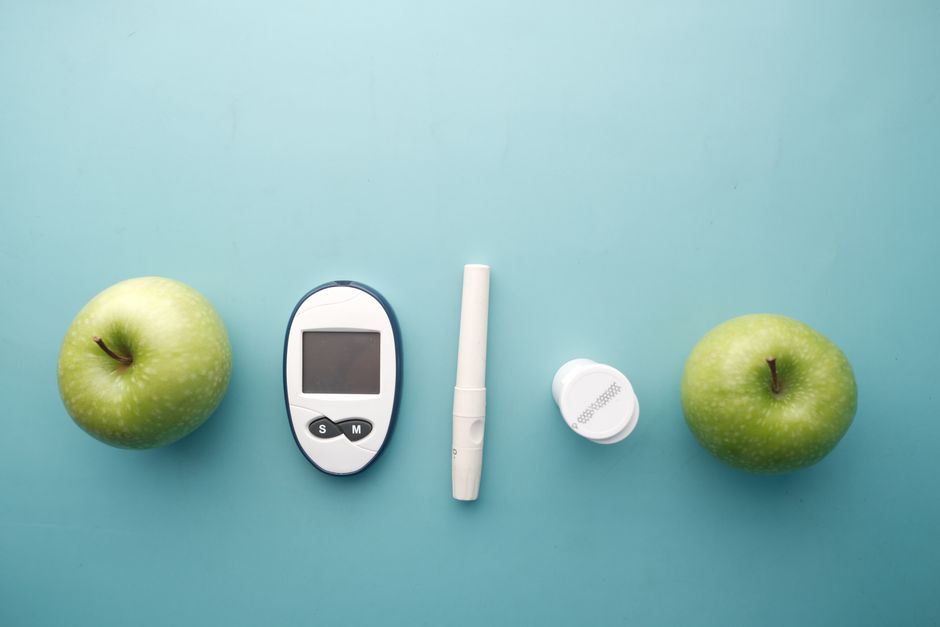
If your blood sugar is high right now, the fastest safe way to bring it down depends on why it is high. For most people with diabetes, the quickest levers are taking rapid-acting insulin if it is prescribed, drinking water, and doing light movement if you feel well. If you have type 1 diabetes and your glucose is very high with vomiting or deep rapid breathing, that is an emergency — get medical help immediately.
Blood glucose is not a single number you can force down on command. It responds to insulin, food, stress hormones, sleep, illness, and activity. Understanding which of those is driving your reading tells you which lever to pull.
This guide explains what actually lowers glucose quickly, what only looks like it works, and when a high reading is a reason to call a doctor rather than wait it out.
What Actually Lowers Blood Sugar Quickly?
Insulin is the only hormone that moves glucose out of the bloodstream and into cells. Everything else that lowers glucose does so by reducing input or increasing muscle uptake — not by replacing insulin.
For someone with type 1 diabetes, rapid-acting insulin is the fastest and most reliable way to lower a high reading. It typically starts working within about 15 minutes and peaks in roughly an hour, though timing varies by person and product. For someone with type 2 diabetes who is not on insulin, the picture is different. Water, movement, and time do more of the work.
Muscle contraction moves glucose into cells without insulin. That is why a short walk can lower a reading within 15 to 30 minutes for many people. It is a real effect, not a myth. But it is modest compared with insulin, and it is not a substitute for medication when medication is needed.
Hydration matters more than people expect. High glucose causes the kidneys to pull water out of the body to flush excess sugar into urine. That leaves you dehydrated, which concentrates the glucose left in your blood. Drinking water does not remove sugar directly, but it supports kidney clearance and corrects the dehydration that makes readings look worse.
How To Bring Your Glucose Level Down Fast: What to Do Right Now
Start by checking where you actually are. A reading of 180 mg/dL and a reading of 400 mg/dL call for different responses, and you cannot manage what you have not measured.
If you have a glucose meter or continuous monitor, use it. If you do not, and you have diabetes, this is the moment to treat a high reading with the plan your clinician gave you.
Here is the order that makes sense for most adults with diabetes who feel well:
- Check your reading and note the time. You need a baseline to know if anything is working.
- Take prescribed rapid-acting insulin if you have a correction dose plan. Do not guess a dose you were not given.
- Drink water — a glass now, and keep sipping. Avoid sugary drinks, juice, and sports drinks.
- Move lightly if you feel able. A 10 to 15 minute walk is enough to matter.
- Recheck in 30 to 60 minutes to see the direction of travel.
Two cautions. First, if you take insulin and your reading is high, do not stack correction doses back to back. Insulin takes time to act, and taking more before the first dose has finished working can cause a dangerous low later. Second, if you have type 1 diabetes and your glucose is high with nausea, vomiting, abdominal pain, or rapid deep breathing, do not try to manage it at home. Those are signs of diabetic ketoacidosis, which is a medical emergency.
Exercise deserves a specific warning here. If your glucose is very high and you have type 1 diabetes, strenuous exercise can raise it further before it lowers it. Intense activity triggers stress hormones that release stored glucose. Light movement is safer than a hard workout when you are trying to bring a high reading down.
Does Drinking Water Really Help?
Water helps, but not in the way most people assume. It does not dissolve sugar out of your blood. It supports the kidneys, which filter excess glucose into urine when levels run high.
When blood glucose rises above roughly 180 mg/dL, the kidneys can no longer reabsorb all the filtered glucose, and some spills into urine. This pulls water along with it, which is why high blood sugar causes frequent urination and thirst. Replacing that lost fluid keeps your body working properly and prevents the concentrated, dehydrated state that makes you feel worse.
What water will not do is drop a reading dramatically within minutes. Anyone promising otherwise is overselling. Plain water is the right choice — not sweetened drinks, not fruit juice, not “electrolyte” beverages loaded with sugar.





Which Foods and Drinks Raise Glucose Fastest?
If you are trying to lower a high reading, the single most useful thing you can do is stop adding fuel. Carbohydrates raise blood glucose more than any other macronutrient, and liquid carbohydrates raise it fastest of all.
Liquid sugar — soda, juice, sweetened coffee drinks, energy drinks — hits the bloodstream quickly because there is nothing to slow absorption. Solid carbohydrates with fiber, protein, and fat digest more slowly and produce a gentler rise.
This does not mean you should skip meals to force a number down. Skipping meals while on insulin or certain diabetes medications can cause hypoglycemia, which is more immediately dangerous than a high reading. If you are hungry, eat something low in fast carbohydrates — protein, non-starchy vegetables, or a small portion of whole grains.
One clarification worth knowing: the glycemic index, which ranks foods by how fast they raise glucose, describes an average response in a study population. Your own response to a specific food can differ. Two people can eat the same meal and see different curves. Continuous glucose monitors have made this visible in a way fingersticks never could.
When Is a High Glucose Reading an Emergency?
A high reading is a reason to act, and sometimes a reason to call for help. Knowing the difference matters.
Seek emergency care if you have diabetes and experience any of the following:
- Vomiting or inability to keep fluids down
- Deep, rapid breathing
- Fruity-smelling breath
- Confusion, drowsiness, or difficulty staying awake
- Severe abdominal pain
- Glucose that stays very high despite treatment
These can signal diabetic ketoacidosis, which is most common in type 1 diabetes but can occur in type 2 as well. It is life-threatening and needs hospital treatment. Do not wait to see if it improves.
Also contact your clinician if high readings are becoming frequent, if your usual correction dose is no longer working, or if you have an illness or infection. Illness raises blood glucose through stress hormones, and a “sick day plan” is something your care team should give you in advance.
What Does Not Work as Well as People Think
A few widely shared tactics do not hold up. Cinnamon, apple cider vinegar, and bitter melon are popular in online health content. Some small studies have looked at these, but the evidence is limited and inconsistent, and none of them bring a high reading down quickly. They are not emergency tools.
Extreme calorie restriction or “flushing” regimens can be genuinely harmful, especially for anyone on insulin or sulfonylureas. They raise the risk of hypoglycemia without offering a fast correction.
And a hard workout when glucose is very high can backfire, as noted earlier. Intense exercise releases adrenaline and cortisol, which signal the liver to release stored glucose. For some people, particularly those with type 1 diabetes and insufficient insulin on board, this pushes the reading up before it comes down.
The unglamorous truth is that the reliable tools — prescribed insulin, water, light movement, and time — are not novel. They are just effective.
The Bottom Line
Fast correction of high glucose comes down to insulin if it is prescribed, water, light movement, and avoiding more carbohydrate. Nothing else reliably works quickly, and some popular remedies do not work at all.
If you have diabetes, the most valuable thing you can do is know your own correction plan before you need it. Ask your care team what to do at specific readings, when to recheck, and which symptoms mean call for help. That conversation is worth more than any home remedy.
Frequently Asked Questions
How fast can you bring blood sugar down?
Rapid-acting insulin can begin lowering glucose within about 15 minutes, while water and light movement work more gradually over 30 to 60 minutes. How fast your reading drops depends on the cause, your medications, and your individual response.
Does walking lower blood sugar quickly?
A short walk can lower glucose within 15 to 30 minutes for many people because working muscles take up glucose without needing insulin. The effect is real but modest, and it is not a substitute for prescribed medication.
What should I drink to lower blood sugar fast?
Plain water is the best choice because it supports kidney clearance of excess glucose and corrects dehydration. Drinks with sugar, including juice and sweetened electrolyte beverages, will raise glucose further.
When should I go to the hospital for high blood sugar?
Go to the emergency room if you have vomiting, deep rapid breathing, fruity-smelling breath, confusion, or severe abdominal pain. These can be signs of diabetic ketoacidosis, which is life-threatening and needs immediate treatment.
