
Blood glucose is measured in milligrams per deciliter (mg/dL) in the United States. For most adults, a fasting blood glucose of 100 to 125 mg/dL signals prediabetes, and 126 mg/dL or higher on two separate tests is the threshold for diagnosing diabetes. A random reading of 200 mg/dL or higher, alongside classic symptoms like excessive thirst and frequent urination, also meets the diagnostic criteria for diabetes.
Those numbers come from widely used clinical diagnostic standards. They are not arbitrary. They mark the points where research consistently shows rising risk of real harm to the eyes, kidneys, nerves, and blood vessels. But a single high reading is not a diagnosis. Context matters — when you ate, what you ate, whether you were sick, and how the test was run all shift the number.
This guide walks through the key thresholds, what they mean, and where the lines blur.
What Blood Glucose Level Is Too High Key Numbers?
The numbers below reflect standard diagnostic thresholds used in clinical practice. They apply to adults and are based on venous blood draws in a lab, not fingerstick meters.
| Test | Normal | Prediabetes | Diabetes |
|---|---|---|---|
| Fasting glucose (no food for 8+ hours) | Below 100 mg/dL | 100–125 mg/dL | 126 mg/dL or higher (confirmed on two tests) |
| Random glucose (any time) | Varies | — | 200 mg/dL or higher with symptoms |
| A1C (2–3 month average) | Below 5.7% | 5.7–6.4% | 6.5% or higher (confirmed) |
| Two-hour oral glucose tolerance test | Below 140 mg/dL | 140–199 mg/dL | 200 mg/dL or higher |
These cutoffs are well established. They have been used for years in clinical guidelines and are not in serious dispute. What does get debated is how aggressively to treat the prediabetes range, and that is a separate conversation.
One clarification worth knowing: a fasting glucose of 99 is not “basically diabetes waiting to happen.” The line between normal and prediabetes is a risk gradient, not a cliff. People at 99 and people at 101 are in very similar territory.
Why Does the Fasting Number Matter Most?
Fasting glucose is the most reliable single snapshot of how your body handles blood sugar at baseline. When you have not eaten for 8 or more hours, your body should be maintaining glucose in a narrow range through liver output and insulin action.
If fasting glucose creeps up, it usually means one of two things is happening. Either your pancreas is not producing enough insulin to keep up, or your cells are not responding well to the insulin that is there. Often it is both. This is the core problem in type 2 diabetes.
The fasting test is cheap, widely available, and reasonably consistent. That is why it anchors most screening. It is also why a fasting number of 126 or higher, repeated on a second occasion, carries so much weight — it is hard to produce that reading by accident.
What About Blood Sugar After Eating?
Post-meal glucose — called postprandial glucose — rises naturally after food and should come back down within about two hours. For most adults without diabetes, a two-hour reading stays below 140 mg/dL.
Some research suggests that post-meal spikes matter for cardiovascular risk independent of fasting glucose. The evidence here is real but not as settled as the fasting data. A1C captures some of this post-meal picture because it reflects average glucose over roughly the previous two to three months.
This is why A1C is often used alongside fasting glucose. They tell slightly different stories. A person can have a normal fasting glucose and an elevated A1C if their after-meal numbers run high. Neither test alone catches everyone.


When Is a High Reading an Emergency?
Very high blood glucose can become a medical emergency. The two conditions to know are diabetic ketoacidosis (DKA) and hyperosmolar hyperglycemic state (HHS). Both are serious and require urgent care.
DKA is more common in type 1 diabetes. It develops when the body has too little insulin and starts breaking down fat for fuel, producing acids called ketones. Blood glucose in DKA is often above 250 mg/dL, though it can sometimes be lower. Symptoms include nausea, vomiting, abdominal pain, rapid breathing, fruity-smelling breath, confusion, and extreme fatigue.
HHS is more common in type 2 diabetes and typically involves extremely high glucose — often well above 600 mg/dL — with severe dehydration and confusion. It develops more slowly than DKA but is just as dangerous.
If someone with diabetes has very high glucose plus vomiting, confusion, difficulty breathing, or cannot keep fluids down, that is a reason to seek emergency care. Do not wait to see if it improves.
What Raises Blood Glucose Besides Diabetes?
Plenty of things push glucose up temporarily without meaning you have diabetes. Knowing these helps you interpret a single reading correctly.
- Illness and infection. The body releases stress hormones that raise glucose. A cold or infection can spike readings for days.
- Certain medications. Steroids like prednisone are well known to raise blood sugar. Some blood pressure drugs and antipsychotics can too.
- Stress. Physical or emotional stress triggers cortisol and adrenaline, both of which raise glucose.
- Poor sleep. Short or disrupted sleep affects insulin sensitivity the next day.
- Timing and food. A “fasting” test done after coffee with sugar, or too soon after a meal, will read high for obvious reasons.
- Morning hormone surge. The dawn phenomenon causes a natural rise in early morning glucose, which is why some people have higher fasting readings than expected.
This is why clinicians rarely diagnose on one number. A single elevated reading in the context of illness or a new medication is a reason to retest, not to panic.
What Do the Prediabetes Numbers Actually Mean?
Prediabetes is a real category with real risk, but it is not a guarantee of progression. Research consistently shows that a meaningful share of people with prediabetes return to normal glucose over time, especially with changes to diet, activity, and weight.
That said, the risk of developing type 2 diabetes is genuinely higher in this group than in people with normal glucose. The exact progression rate varies widely across studies and populations, so any single percentage you see quoted should be treated with caution.
One honest point: the term “prediabetes” itself has been criticized by some researchers as overly medicalizing a risk state. The label can cause anxiety, and the threshold is a continuum. But the underlying biology — that glucose in the 100–125 range is associated with higher risk over time — is not controversial.
How Is High Blood Glucose Confirmed?
Confirmation usually means repeating the test. A fasting glucose of 126 mg/dL or higher needs a second abnormal result on a different day to meet the diagnostic criteria for diabetes, unless symptoms are clear and a random glucose is 200 mg/dL or higher.
Doctors may also use A1C or an oral glucose tolerance test to confirm or clarify. In some cases, especially when results are borderline or inconsistent, more than one test type is used.
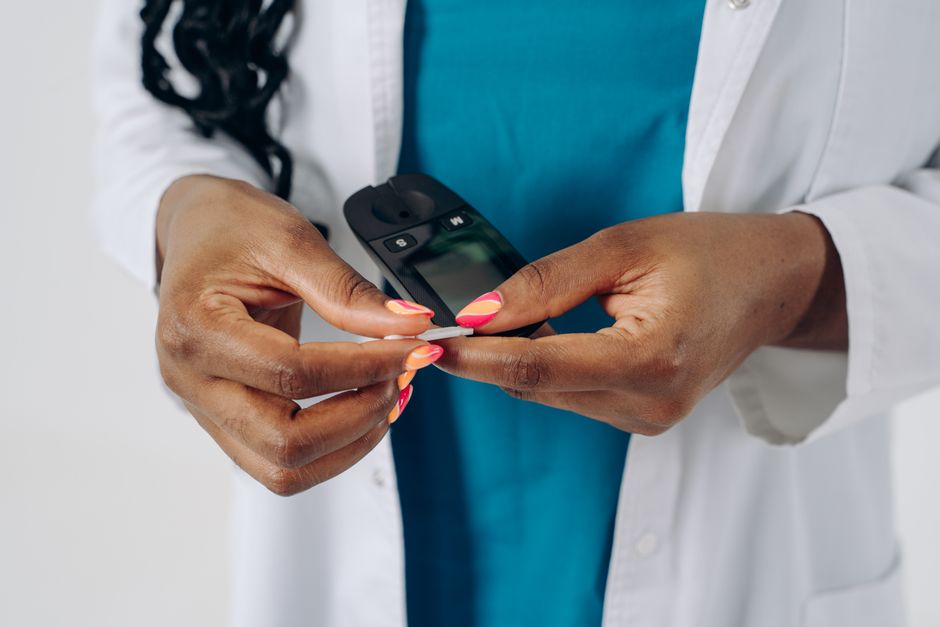
Home glucose meters are useful for tracking but are not diagnostic tools. They are less precise than lab tests, and readings can vary by meter. A high home reading is a reason to see a clinician, not a diagnosis on its own.
What Should You Do With a High Reading?
The first step is to get a proper lab test if you have only used a home meter or had one abnormal result. Bring the numbers to a clinician who can interpret them in context.
If you are diagnosed with prediabetes or diabetes, the conversation about what to do next is individual. It depends on your age, other health conditions, family history, and how high the numbers run. There is no single correct path.
What the evidence does support broadly: regular physical activity, a diet that limits rapid blood sugar spikes, weight management where relevant, and good sleep all affect glucose control. These are not cures. They are levers that research consistently shows matter.
This article is informational and not a substitute for medical advice. If you have questions about your numbers, a clinician who knows your history is the right person to ask.
Frequently Asked Questions
What is a dangerously high blood glucose level?
Readings above 250 mg/dL with symptoms like vomiting or confusion, or above 600 mg/dL at any point, are emergencies that need urgent care. These levels are associated with diabetic ketoacidosis and hyperosmolar hyperglycemic state.
Is 140 mg/dL high after eating?
A two-hour reading of 140 mg/dL or higher after eating falls into the prediabetes range on an oral glucose tolerance test. A single reading at home is not diagnostic and should be confirmed with a lab test.
Can stress raise blood sugar to diabetic levels?
Stress can raise glucose temporarily, sometimes significantly, but it does not cause diabetes. A high reading during a stressful period should be repeated when things settle before drawing conclusions.
What is a normal blood sugar level by age?
The diagnostic thresholds for fasting glucose and A1C are the same across adult age groups. Some clinicians use slightly different treatment targets for older adults with other health conditions, but the diagnostic cutoffs do not change with age.
