
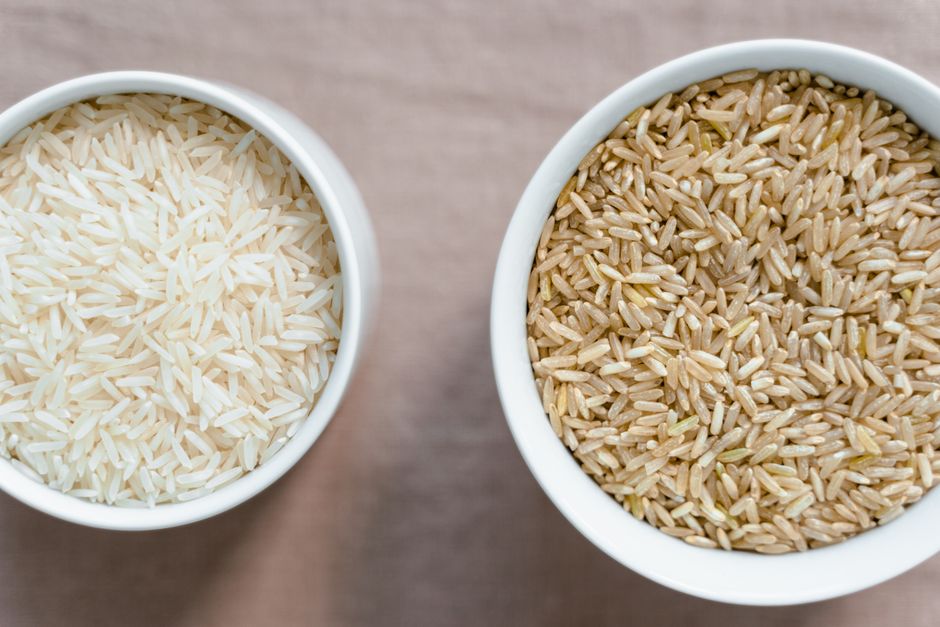
Rice is a grain, not a processed food in the way most people mean it. Brown rice is a whole grain. White rice is a refined grain, which means it has been milled to remove the bran and germ. That single processing step changes its nutrition, texture, and how quickly your body turns it into blood sugar.
Is Rice A Processed Food?
By the strict definition, almost everything you eat is processed. Harvesting, drying, and removing a husk are all processing steps. The question that matters for health is how much processing, and what gets lost along the way.
Rice starts as a whole grain called paddy rice. The inedible outer husk is removed, and what remains is a whole grain: the bran, the germ, and the starchy endosperm. Brown rice is rice at this stage. It has not been stripped of anything else.
White rice goes one step further. The bran and germ are milled away, leaving mostly the endosperm. That is why white rice is classified as a refined grain. It is not an ultra-processed food like a packaged snack cake, but it is a grain that has been refined.
This distinction matters because the bran and germ hold most of the fiber, vitamins, minerals, and healthy fats. When they are removed, so is most of the nutrition. Some white rice is later “enriched,” meaning certain vitamins and iron are added back. Enrichment replaces some nutrients, but not the fiber, and not all of the original compounds.
What Is the Difference Between Brown Rice and White Rice?
The difference is the bran and germ. Brown rice keeps both. White rice loses both during milling.
That physical difference drives nearly every nutritional difference between them. Fiber is the clearest example. A cup of cooked brown rice contains meaningfully more fiber than a cup of cooked white rice, because fiber lives in the bran. White rice has very little fiber left after milling.
Brown rice also retains more of certain B vitamins, magnesium, and other minerals that sit in the bran and germ. White rice that has been enriched recovers some thiamin, niacin, and iron, but the fiber and several other naturally occurring nutrients are not restored.
The two also cook and taste differently. Brown rice has a chewier texture and a nuttier flavor. White rice is softer and milder. That is not a health point, but it is the reason many people pick one over the other, and it is worth being honest that taste and habit often decide this more than nutrition does.
Does White Rice Spike Blood Sugar More Than Brown Rice?
Yes. White rice raises blood sugar faster than brown rice. This is one of the better-established differences between the two.
The reason is fiber and grain structure. Fiber slows digestion, so the starch in brown rice enters the bloodstream more gradually. White rice has had its fiber removed, so its starch is digested and absorbed quickly. The intact bran layer on brown rice also slows how fast the starchy endosperm is broken down.
This matters most for people with type 2 diabetes or prediabetes, who are often advised to watch how quickly carbohydrates raise blood sugar. For someone with normal blood sugar regulation, the difference is real but usually less dramatic in the context of a full meal, especially when rice is eaten with protein, fat, and vegetables.
One clarification worth knowing: white rice is not the same as a sugary drink. It is a starch, not added sugar, and the body handles it differently. The blood sugar effect is about speed, not about the rice being a dessert.




Which One Is Healthier?
Brown rice is the more nutrient-dense choice. It keeps the fiber, vitamins, minerals, and fats that white rice loses during milling. For most people, that makes it the stronger everyday option.
That said, “healthier” depends on the person and the context.
- For general nutrition, brown rice delivers more fiber and micronutrients per serving.
- For blood sugar control, brown rice is generally the better choice because it digests more slowly.
- For digestive comfort, some people find white rice easier on the stomach, especially during short-term illness.
- For cost and shelf life, white rice is cheaper and stores longer, because the oils in the bran can go rancid over time.
White rice is not a “bad” food, and brown rice is not a magic one. The overall diet matters more than which rice is on the plate. A bowl of white rice alongside vegetables, beans, and protein is a very different meal than white rice eaten alone.
Is Enriched White Rice as Good as Brown Rice?
No. Enrichment adds back some nutrients, but it does not restore the grain to its original state.
When white rice is enriched, manufacturers add back certain B vitamins and iron that were lost in milling. This is why enriched white rice still carries some nutritional value and has helped prevent deficiency diseases in populations that rely heavily on rice.
What enrichment does not replace is fiber, and it does not restore the full range of naturally occurring compounds found in the bran and germ. So enriched white rice sits between plain milled white rice and brown rice, but it does not match brown rice.
How Does Rice Fit Into a Healthy Diet?
Rice is a staple carbohydrate for billions of people, and it can absolutely be part of a healthy diet. The type of rice matters less than what comes with it.
Pairing rice with protein, fat, and vegetables slows digestion and improves the overall nutritional picture of the meal, whether the rice is brown or white. Portion size also matters, particularly for people managing blood sugar or weight.
Brown rice is a straightforward upgrade when you want more fiber and nutrients from the same serving. White rice is a reasonable choice when cost, shelf life, taste, or digestive ease are priorities. Neither needs to be avoided.
A practical note: if you are switching from white to brown rice, expect a different cooking time and more water. Brown rice takes longer to cook because the bran layer slows water absorption. That is a cooking detail, not a health one, but it trips up a lot of first attempts.
Is Rice a Processed Food Brown Vs White Explained
Rice itself is a grain. Brown rice is a whole grain, and white rice is a refined grain because the bran and germ have been milled away. That is the entire distinction behind the brown-versus-white question.
Brown rice keeps more fiber, vitamins, minerals, and healthy fats, and it raises blood sugar more slowly. White rice is lower in fiber, often enriched to add back some nutrients, and digests faster. Both can fit into a healthy diet. The choice comes down to what you want from the grain and how it fits the rest of your meal.
Frequently Asked Questions
Is white rice a processed food?
White rice is a refined grain, which means the bran and germ have been milled away. It is processed, but it is not an ultra-processed food like a packaged snack.
Is brown rice healthier than white rice?
Brown rice is more nutrient-dense because it keeps the fiber, vitamins, and minerals that white rice loses during milling. For most people it is the stronger everyday choice, though white rice can still fit a healthy diet.
Does white rice raise blood sugar more than brown rice?
Yes, white rice raises blood sugar faster because its fiber has been removed and its starch digests quickly. Brown rice digests more slowly, which makes it the better option for people watching blood sugar.
Is enriched white rice as good as brown rice?
No. Enrichment adds back some B vitamins and iron, but it does not restore the fiber or the full range of nutrients found in the bran and germ.
