
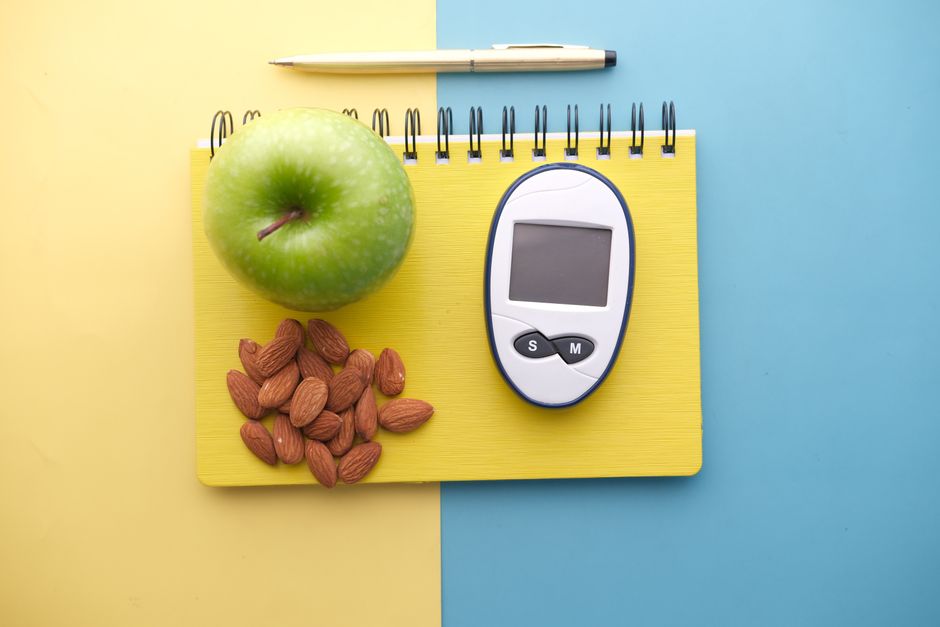
A healthy blood sugar level depends on when you last ate. For most healthy adults, a normal fasting blood sugar is between 70 and 99 mg/dL. Two hours after a meal, a normal reading is typically below 140 mg/dL. These numbers come from standard clinical guidelines and are used by doctors to screen for diabetes and prediabetes.
What Is A Healthy Blood Sugar Level And Range?
Blood sugar, also called glucose, is the main sugar found in your blood. It comes from the food you eat and is your body’s main source of energy. Your body regulates blood sugar through hormones, mainly insulin, which helps move glucose into your cells for energy.
Doctors measure blood sugar in milligrams per deciliter (mg/dL). The numbers below are the standard ranges used in clinical practice in the United States. They apply to adults who are not pregnant and do not have diabetes.
- Fasting blood sugar (no food for 8 hours): 70–99 mg/dL is normal.
- Fasting blood sugar: 100–125 mg/dL indicates prediabetes.
- Fasting blood sugar: 126 mg/dL or higher on two separate tests indicates diabetes.
- Blood sugar 2 hours after a meal: Below 140 mg/dL is normal.
- Blood sugar 2 hours after a meal: 140–199 mg/dL indicates prediabetes.
- Blood sugar 2 hours after a meal: 200 mg/dL or higher indicates diabetes.
These diagnostic thresholds are well established. They are based on the risk of developing diabetes-related complications, such as nerve damage, kidney disease, and vision problems. The higher your blood sugar stays, the greater your risk of these complications over time.
How Is Blood Sugar Tested?
There are several ways to measure blood sugar. Each test serves a different purpose. The most common tests used in doctors’ offices include the fasting plasma glucose test, the A1C test, and the oral glucose tolerance test.
The fasting plasma glucose test measures your blood sugar after you have not eaten for at least 8 hours. It is a simple blood draw and is often the first test ordered. A single high reading is not enough for a diabetes diagnosis. Doctors usually repeat the test on a different day to confirm the result.
The A1C test measures your average blood sugar over the past 2 to 3 months. It does not require fasting. The A1C test measures the percentage of hemoglobin in your blood that has glucose attached to it. A normal A1C is below 5.7 percent. An A1C of 5.7 to 6.4 percent indicates prediabetes. An A1C of 6.5 percent or higher indicates diabetes.
The oral glucose tolerance test measures your blood sugar before and after you drink a sugary liquid. Your blood sugar is checked before the drink and again 1 and 2 hours afterward. This test is commonly used to screen for gestational diabetes during pregnancy. It is also used when doctors suspect diabetes but fasting results are unclear.
Home glucose monitors are different. They use a small drop of blood from a finger prick to give a real-time reading. These monitors are essential for people who already have diabetes and need to track their levels daily. They are not typically used for diagnosing diabetes because they are less precise than lab tests.
What Happens When Blood Sugar Is Too High?
When blood sugar stays above normal, it damages blood vessels over time. This damage affects many parts of the body. The eyes, kidneys, nerves, and heart are the most vulnerable.
High blood sugar, called hyperglycemia, does not always cause symptoms right away. Many people with type 2 diabetes feel fine for years before they are diagnosed. When symptoms do appear, they include increased thirst, frequent urination, fatigue, and blurred vision. These symptoms develop gradually and are easy to dismiss.
Short-term severe hyperglycemia can lead to a dangerous condition called diabetic ketoacidosis. This happens when the body cannot use glucose for energy and starts breaking down fat instead. This produces acids called ketones. Diabetic ketoacidosis is a medical emergency. It occurs most often in people with type 1 diabetes, but it can happen in type 2 diabetes under extreme stress or illness.
Long-term high blood sugar causes more subtle but serious damage. Over years, elevated glucose stiffens blood vessels and reduces circulation. This contributes to heart disease, stroke, and peripheral artery disease. It damages the tiny blood vessels in the retina, leading to diabetic retinopathy. It damages the filtering units in the kidneys, leading to chronic kidney disease. It also damages nerves, causing numbness, tingling, and pain, most often in the hands and feet.
Keeping blood sugar in a healthy range reduces these risks. The relationship between blood sugar control and complications is well demonstrated. People who maintain near-normal blood sugar levels have lower rates of these complications than people with poorly controlled levels.




What Happens When Blood Sugar Is Too Low?
Low blood sugar, called hypoglycemia, is generally defined as a reading below 70 mg/dL. For people without diabetes, this is uncommon. The body has strong mechanisms to prevent glucose from falling too low.
When blood sugar drops, symptoms come on quickly. You may feel shaky, sweaty, confused, or irritable. Your heart may beat faster. You might feel hungry or anxious. Severe hypoglycemia can cause seizures, loss of consciousness, and requires immediate treatment.
Hypoglycemia is most common in people taking insulin or certain diabetes medications. Sulfonylureas and meglitinides can also cause low blood sugar. These medications increase insulin production, and if you skip a meal or exercise more than usual, glucose can drop too far.
If you do not have diabetes and experience symptoms of low blood sugar regularly, see a doctor. Reactive hypoglycemia is a condition where blood sugar drops a few hours after eating. It is not well understood and the evidence on its causes is limited. Some research suggests it relates to how quickly your body releases insulin after a meal, but no single mechanism explains all cases.
For people with diabetes, treating hypoglycemia promptly is important. The standard recommendation is the 15-15 rule: consume 15 grams of fast-acting carbohydrate, wait 15 minutes, and recheck your blood sugar. Fast-acting carbohydrates include glucose tablets, fruit juice, or regular soda. If your blood sugar is still below 70 mg/dL, repeat the treatment. This is an established clinical guideline widely taught in diabetes education programs.
How Do You Keep Blood Sugar In A Healthy Range?
For people without diabetes, lifestyle choices are the main way to maintain healthy blood sugar. The most important factors are diet, physical activity, body weight, and sleep. No single food or supplement can guarantee normal blood sugar. Evidence for most commercial supplements claiming blood sugar support is weak, and no large human trials have confirmed their effectiveness.
Diet matters because carbohydrates directly raise blood sugar. Carbohydrates are found in grains, fruits, vegetables, dairy, and sugary foods. The speed at which they raise blood sugar depends on their structure and fiber content. Whole grains, legumes, and vegetables release glucose more slowly than refined grains and sugary drinks.
Protein and fat slow the absorption of carbohydrates. A meal with chicken, vegetables, and rice will raise blood sugar more gradually than rice alone. This does not mean you should avoid carbohydrates. It means the composition of your meal affects your blood sugar response.
Physical activity helps in two ways. When you exercise, your muscles use glucose directly for energy, which lowers blood sugar. Over time, regular exercise improves insulin sensitivity. This means your cells respond better to insulin and take up glucose more efficiently. Both aerobic exercise and resistance training improve blood sugar control.
Body weight matters because excess fat, especially around the abdomen, contributes to insulin resistance. Insulin resistance means your cells do not respond normally to insulin, so your pancreas has to produce more insulin to keep blood sugar normal. Over time, the pancreas may not keep up, and blood sugar rises. Weight loss of even 5 to 7 percent of body weight has been shown to improve blood sugar in people with prediabetes.
Sleep is often overlooked. Poor sleep and short sleep duration are associated with higher blood sugar and greater insulin resistance. The mechanism is not fully understood, but evidence consistently links insufficient sleep to worse glucose metabolism. Aim for 7 to 9 hours of sleep per night.
When Should You See A Doctor?
If you have risk factors for diabetes, you should be tested regularly. Major risk factors include being 45 or older, having a family history of diabetes, being overweight, having high blood pressure, and being physically inactive. Women who had gestational diabetes are also at higher risk.
Symptoms that warrant a prompt appointment include increased thirst, frequent urination, unexplained weight loss, fatigue, and blurred vision. These symptoms can indicate high blood sugar. They do not confirm diabetes on their own. Only a blood test can diagnose the condition.
The American Diabetes Association recommends that adults begin screening for diabetes at age 45. If your results are normal, screening every 3 years is typical. If you have risk factors, your doctor may recommend earlier or more frequent screening. These are widely accepted clinical guidelines, but individual recommendations may vary based on your specific health profile.
Do not rely on home glucose monitors to screen for diabetes. They are not precise enough for diagnosis. A lab test ordered by a doctor is the correct method. If you are concerned about your blood sugar, ask your doctor for a fasting glucose test or an A1C test.
Frequently Asked Questions
What is a normal blood sugar level for a person without diabetes?
A normal fasting blood sugar is 70 to 99 mg/dL.
Two hours after a meal, a normal reading is below 140 mg/dL.
What blood sugar level indicates diabetes?
A fasting blood sugar of 126 mg/dL or higher on two separate tests indicates diabetes.
An A1C of 6.5 percent or higher also indicates diabetes.
What is a dangerous blood sugar level?
A blood sugar reading below 70 mg/dL is considered low and can be dangerous if not treated.
Readings consistently above 180 mg/dL after meals or above 250 mg/dL at any time warrant medical attention.
Can you have high blood sugar without knowing it?
Yes, many people with type 2 diabetes have no symptoms for years.
This is why routine screening is recommended starting at age 45 or earlier if you have risk factors.
