
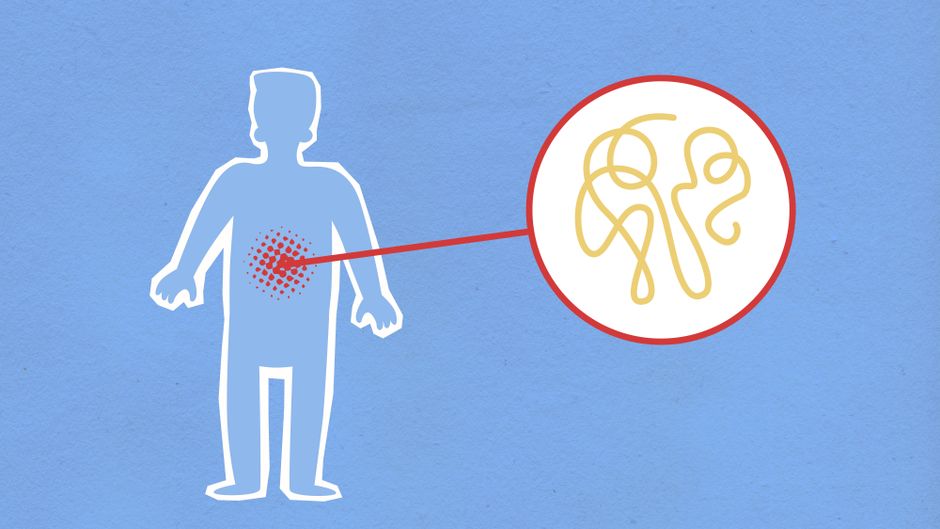
A gut bomb is a large, heavy meal packed with fat, refined carbohydrates, and sodium that overwhelms your digestive system. When you eat one, your stomach stretches beyond its normal capacity, digestion slows down, and you feel bloated, sluggish, and uncomfortable for hours. These meals trigger a cascade of effects in your body, from blood sugar spikes to inflammation, that go far beyond simple fullness.
What Exactly Is a Gut Bomb?
A gut bomb is not a medical term. It is a popular description for meals that are extremely dense in calories, fat, and processed ingredients. Think of a double cheeseburger with large fries and a milkshake, or a massive plate of cheesy pasta with garlic bread. These meals often contain 1,200 to 2,000 calories in a single sitting.
The defining feature is not just the calorie count. It is the combination of high fat, low fiber, and large volume. Fat slows stomach emptying. Low fiber means little bulk to signal fullness. The large volume physically stretches the stomach walls. Together, these create a perfect storm for digestive distress.
Fast food chains and restaurant portions are common sources. But homemade gut bombs exist too, like a heavy casserole loaded with cheese and cream or a giant bowl of refined pasta. The key is the imbalance of nutrients and the sheer size of the serving.
What Happens in Your Digestive System Immediately After Eating a Gut Bomb?
When you swallow a gut bomb, your stomach has to work hard. It stretches to hold the large volume, which triggers nerves that signal discomfort. The high fat content tells your stomach to slow down emptying into the small intestine. This is called delayed gastric emptying.
As food sits in your stomach longer, gas builds up. Bacteria in your gut start fermenting the undigested carbohydrates. This produces hydrogen, methane, and carbon dioxide. The result is bloating, burping, and flatulence that can last for hours.
Your pancreas also has to release extra digestive enzymes and insulin to handle the sudden flood of fat and sugar. This stress on the digestive organs can leave you feeling drained. Many people describe a “food coma” after a gut bomb, which is a real drop in energy caused by blood shunting to the gut and blood sugar shifts.
How Does a Gut Bomb Affect Your Blood Sugar and Energy Levels?
Research published in the journal Nutrients has shown that high-fat, high-carbohydrate meals cause sharp spikes in blood glucose. Your body releases a surge of insulin to bring the sugar down. This often overshoots, leading to a blood sugar crash a few hours later.
The crash triggers symptoms like fatigue, irritability, and brain fog. You may crave another high-carb snack to feel better, creating a cycle. This is different from balanced meals that provide steady energy over several hours.
The American Diabetes Association notes that meals high in refined carbs and saturated fat are particularly problematic for blood sugar control. Even in people without diabetes, these meals can cause significant glucose swings. Over time, repeated gut bombs may contribute to insulin resistance.




What Does Research Say About the Long-Term Effects of Eating Gut Bombs?
Chronic consumption of gut bomb-style meals is linked to several health problems. A study in the Journal of the American College of Cardiology found that people who frequently ate large, high-fat meals had higher markers of inflammation. This included elevated C-reactive protein levels.
Inflammation is a root factor in heart disease, type 2 diabetes, and arthritis. The same study noted that a single high-fat meal can temporarily impair blood vessel function. The endothelium, which lines your arteries, becomes less flexible for several hours after eating.
Your gut microbiome also suffers. A diet high in saturated fat and low in fiber reduces the diversity of beneficial bacteria. A 2019 study in Cell Host & Microbe showed that just one day of high-fat eating can alter the gut microbial composition. Over months and years, this shift is linked to weight gain and metabolic disease.
Weight gain itself is a predictable outcome. Gut bombs are calorie-dense but not filling in a lasting way. You consume many calories quickly, and the delayed stomach emptying does not prevent overeating at the next meal. The CDC reports that portion sizes in restaurants have increased dramatically since the 1970s, which parallels rising obesity rates.
How Can You Identify a Gut Bomb Before You Eat It?
Recognizing a gut bomb is the first step to avoiding the discomfort. Look for meals that are heavy on fried foods, creamy sauces, cheese, and refined grains like white bread or pasta. A typical gut bomb has over 800 calories and less than 5 grams of fiber.
Here are common warning signs:
- The meal comes in a large portion size, like a platter or a double serving
- It contains multiple high-fat components, such as fried meat, cheese, and creamy dressing
- Vegetables are minimal or absent
- It is paired with a sugary drink or dessert
- You feel uncomfortably full within 15 minutes of eating
A simple comparison can help you make better choices at restaurants. The table below shows how common meals stack up.
| Meal Type | Calories | Fiber | Fat | Sodium |
|---|---|---|---|---|
| Double cheeseburger, large fries, milkshake | 1,600 | 4 g | 75 g | 2,200 mg |
| Grilled chicken salad with vinaigrette | 450 | 10 g | 20 g | 600 mg |
| Large cheese pizza (3 slices) | 1,200 | 6 g | 50 g | 2,800 mg |
| Bowl of vegetable soup with whole grain bread | 400 | 12 g | 10 g | 800 mg |
The numbers come from USDA food database averages. Notice how the gut bomb options have high calories, low fiber, and very high sodium. The sodium alone can cause water retention and bloating.
What Steps Can You Take to Avoid Gut Bombs Without Feeling Deprived?
You do not have to give up all indulgent foods. The goal is to reduce how often you eat gut bombs and to make them smaller when you do. Start by paying attention to portion sizes. Half of a restaurant entree is often a reasonable serving. Box up the rest before you start eating.
Add vegetables to every meal. They provide fiber that slows digestion and helps you feel full with fewer calories. A fist-sized portion of broccoli or a side salad can transform a heavy meal into a balanced one. Swap sugary drinks for water or unsweetened tea to cut hundreds of empty calories.
Eat slowly. It takes about 20 minutes for your brain to register fullness. Gut bombs are often eaten quickly, which bypasses this signal. Put your fork down between bites and chew thoroughly. You will eat less and digest better.
Plan for occasional treats. If you know you will have a large dinner, eat lighter meals earlier in the day. This prevents the total calorie load from being extreme. Your digestive system will thank you for the balance.
Some people report that probiotics or digestive enzymes help after a heavy meal. Strong evidence for this is limited. A 2020 review in Clinical Gastroenterology and Hepatology found that probiotics did not consistently reduce bloating from high-fat meals. The best approach is prevention, not a pill after the fact.
Common Misconceptions About Gut Bombs
One widespread myth is that a gut bomb only matters if you eat them daily. Even a single large meal can cause noticeable symptoms like bloating, gas, and fatigue for 12 to 24 hours. The effects on blood vessel function occur after just one meal, according to research in the American Journal of Clinical Nutrition.
Another myth is that all high-calorie meals are gut bombs. A calorie-dense meal made from whole foods, like salmon with avocado and quinoa, is not a gut bomb. It has fiber, protein, and healthy fats that digest slowly and provide nutrients. The problem is not calories alone but the combination of processed ingredients, low fiber, and high volume.
Some people believe that drinking water with a gut bomb helps wash it through. Water does not speed up stomach emptying of fat. It may actually increase bloating by adding volume to an already stretched stomach. Sip water but do not chug it during a heavy meal.
Finally, there is no evidence that detox teas or cleanses undo a gut bomb. Your liver and kidneys handle waste naturally. The only reliable way to recover is to eat lighter, nutrient-dense meals for the next day or two and let your digestive system reset.
Frequently Asked Questions
How long does a gut bomb stay in your stomach?
A gut bomb can remain in your stomach for 4 to 6 hours, compared to 2 to 3 hours for a balanced meal. The high fat content is the main reason for the delay.
Can a gut bomb cause long-term damage if eaten occasionally?
Occasional gut bombs are unlikely to cause permanent damage in a healthy person. The temporary inflammation and blood sugar spikes resolve within a day, but frequent consumption increases health risks.
What is the best thing to drink after a gut bomb?
Water is the best choice to stay hydrated and help digestion. Avoid sugary drinks, alcohol, and carbonated beverages, which can worsen bloating.
Does exercise help after eating a gut bomb?
A gentle walk can aid digestion by stimulating intestinal movement, but intense exercise may cause discomfort. Wait at least an hour before any physical activity.
