
Protein is one of three nutrients your body needs in large amounts, along with fat and carbohydrates. A good source of protein delivers a meaningful amount of this nutrient for the calories it carries, and ideally comes packaged with other things your body can use, like vitamins, minerals, or fiber. The best sources are not just about protein quantity. They are about what else comes with it and how well your body can use it.
What Is A Good Source Of Protein?
A good protein source provides a substantial amount of protein per serving relative to its total calories, and supplies the essential amino acids your body cannot make on its own.
Essential amino acids are the building blocks your body needs but cannot produce. You must get them from food. A food that contains all nine essential amino acids in adequate amounts is called a complete protein. Animal foods generally fall into this category. Most plant foods are lower in one or more essential amino acids, though soy and quinoa are exceptions.
Protein quality also matters. The digestibility of a protein source affects how much your body can actually absorb and use. Animal proteins tend to be more digestible than plant proteins, though processing and cooking methods change this. Plant proteins are still valuable. You just need to eat enough of them and combine different sources across the day.
Beyond amino acids, a good protein source should not come loaded with things you want to limit. A fried chicken breast and a grilled one have similar protein, but very different fat and calorie profiles. That difference matters over time.
Which Foods Are The Best Sources Of Protein?
Animal-based foods tend to be the most protein-dense options. Chicken breast, turkey, lean beef, fish, eggs, and dairy products all provide complete protein with high digestibility. A 3-ounce serving of cooked chicken breast contains roughly 26 grams of protein. The same amount of cooked salmon provides about 22 grams. One large egg has about 6 grams.
Greek yogurt is a standout among dairy. A typical 6-ounce container has around 15 to 20 grams of protein, depending on the brand and whether it is full-fat or nonfat. Regular yogurt has less, often around 8 to 12 grams per 6 ounces.
Plant-based options can also be strong sources. Here is how some compare per typical serving:
- Cooked lentils, 1 cup: about 18 grams of protein
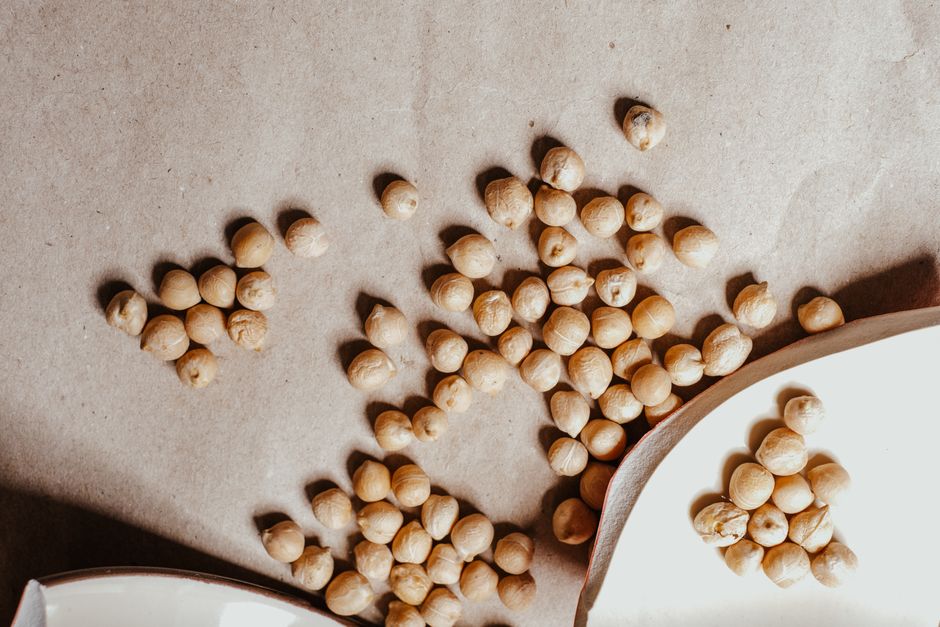
- Cooked chickpeas, 1 cup: about 15 grams
- Firm tofu, 3 ounces: about 8 to 10 grams
- Edamame, 1 cup shelled: about 18 grams
- Cooked quinoa, 1 cup: about 8 grams
- Peanut butter, 2 tablespoons: about 7 grams
These numbers come from USDA nutritional data and are approximate. Brand, preparation, and cooking method all shift them slightly.
What makes a source “good” depends on your goal. If you are trying to hit a protein target while keeping calories low, chicken breast, white fish, and nonfat Greek yogurt are efficient choices. If you are eating mostly plants, lentils, tofu, and edamame give you solid protein along with fiber and micronutrients.
Does Protein Quality Really Matter?
Yes, but the degree to which it matters depends on your overall diet and how much protein you eat.
Protein quality is usually measured by amino acid profile and digestibility. A protein source that lacks one essential amino acid cannot fully support muscle building or repair on its own. This is why people eating plant-based diets are often advised to eat a variety of protein sources across the day. Rice is low in lysine. Beans are low in methionine. Together, they cover each other’s gaps.
This does not mean you need to carefully combine foods at every meal. That idea was once common advice, but it has been largely revised. Your body maintains a pool of amino acids, so eating a variety of plant proteins over the course of a day generally covers your needs.
For most healthy adults eating a mixed diet, protein quality is not a major concern. Where it matters more is in older adults, people with higher protein needs due to training or illness, and those eating limited diets.




How Much Protein Do You Actually Need?
The general recommendation for healthy adults is 0.8 grams of protein per kilogram of body weight per day. For a 150-pound adult, that is about 54 grams daily. This is the amount needed to prevent deficiency, not necessarily the amount for optimal health or muscle maintenance.
That distinction matters. The 0.8 g/kg figure is a minimum to avoid deficiency in most sedentary adults. People who exercise regularly, are over 65, or are recovering from illness often need more. Some research suggests higher intakes, in the range of 1.2 to 1.6 grams per kilogram per day, may better support muscle maintenance in older adults. The evidence for exact optimal amounts is still being studied, and recommendations vary.
For context, a 150-pound person eating three meals with a palm-sized portion of protein at each would likely hit 80 to 100 grams per day without trying hard.
If you are pregnant, breastfeeding, or have kidney disease, your protein needs may be different. Those situations require guidance from a healthcare provider rather than general recommendations.
Are Plant Proteins As Good As Animal Proteins?
Plant proteins can meet your needs, but they require a bit more attention to quantity and variety.
Most plant proteins are less digestible than animal proteins and are lower in one or more essential amino acids. This does not make them inferior. It means you may need to eat somewhat more of them to get the same usable protein. Soy is an exception. It is a complete protein with digestibility close to that of animal sources.
Plant proteins also come with advantages. They typically deliver fiber, which animal proteins do not. Diets higher in plant protein are consistently associated with lower risks of certain chronic diseases, though it is difficult to separate the effect of the protein itself from the overall dietary pattern.
If you eat only plants, aim for a mix of legumes, grains, soy products, nuts, and seeds across the day. This covers your amino acid bases without needing to plan every meal precisely.
What About Protein Powders And Supplements?
Protein powders are convenient, but they are not necessary if you eat a varied diet.
Whey protein, derived from milk, is well absorbed and complete. Casein, also from milk, digests more slowly. Soy protein isolate is a complete plant option. Pea protein is popular but is lower in methionine, so it is often blended with rice protein to balance the amino acid profile.
Whole foods are generally preferable because they come with additional nutrients. That said, powders can be useful for people who struggle to eat enough protein from food, such as older adults with poor appetite or athletes with very high needs.
No clinical guidelines currently exist for protein powder use in children, pregnant women, or people with kidney disease. If you fall into one of those groups, talk to a healthcare provider before using them.
Common Myths About Protein Sources
Several ideas about protein circulate widely and are not supported by evidence.
One is that eating too much protein damages your kidneys. In people with healthy kidneys, research has not shown that higher protein intakes cause kidney damage. For people who already have kidney disease, protein restriction may be advised, but that is a different situation.
Another myth is that you can only absorb a limited amount of protein per meal. Your body absorbs protein efficiently across a wide range of intakes. The idea that anything above 30 grams per meal is wasted is not accurate.
A third is that plant proteins are incomplete and therefore useless on their own. They are lower in certain amino acids, but your body pools amino acids across the day. Eating a variety of plant proteins meets your needs.
What is true is that total daily protein intake matters more than the timing or source of any single meal. Consistency across the day supports muscle maintenance better than loading all your protein into one meal.
Frequently Asked Questions
What is the single best source of protein?
There is no single best source. Eggs, chicken, fish, Greek yogurt, lentils, and soy foods are all excellent, and the best choice depends on your overall diet and goals.
How much protein should I eat per day?
The general recommendation for healthy adults is 0.8 grams per kilogram of body weight daily, though active people and older adults often need more.
Can I get enough protein without eating meat?
Yes. A mix of legumes, grains, soy products, nuts, and seeds across the day can meet protein needs without any animal foods.
Is too much protein bad for your kidneys?
In people with healthy kidneys, research has not shown that higher protein intakes cause kidney damage. People with existing kidney disease may need to limit protein under medical guidance.
