
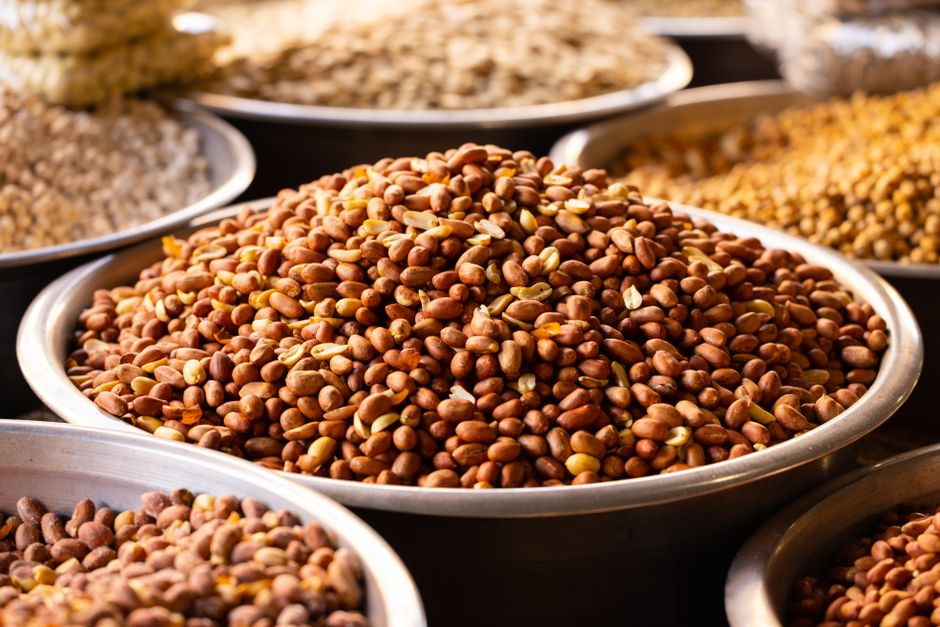
Protein-rich foods are foods that contain a high amount of protein relative to their weight or calorie content. Think meat, poultry, fish, eggs, dairy, legumes, nuts, seeds, and soy products. Protein is essential because your body uses it to build and repair tissues, make enzymes and hormones, and support immune function. For adults between 35 and 65, getting enough protein becomes especially important for maintaining muscle mass, managing weight, and staying healthy as you age.
What Are Protein Rich Foods?
Protein-rich foods come from both animals and plants. Animal sources include beef, chicken, turkey, pork, fish, eggs, milk, cheese, and yogurt. Plant sources include beans, lentils, chickpeas, tofu, edamame, nuts, seeds, and whole grains like quinoa. Some vegetables, such as broccoli and spinach, also provide protein, but in smaller amounts. The key is that these foods deliver a meaningful amount of protein per serving — typically at least 5 to 10 grams per standard serving.
Why Does Protein Matter for Adults 35–65?
After age 30, adults naturally lose muscle mass each year if they do not take steps to preserve it. This condition, called sarcopenia, can reduce strength, mobility, and independence. Adequate protein intake, combined with resistance exercise, helps slow this loss. Protein also promotes satiety — feeling full after meals — which can help with weight management. Additionally, protein supports immune function, wound healing, and bone health. For older adults, getting enough protein is linked to better recovery from illness and lower risk of frailty.
Research consistently shows that spreading protein intake across the day — not just loading up at dinner — may be more effective for muscle maintenance than eating most of your protein in one meal.
How Much Protein Do You Need Each Day?
The Recommended Dietary Allowance (RDA) for protein is 0.8 grams per kilogram of body weight. For a 150-pound (68 kg) person, that is about 54 grams of protein per day. However, many experts recommend higher intakes for adults over 50, especially if they are physically active. Common recommendations range from 1.0 to 1.2 grams per kilogram of body weight for older adults. Athletes and people recovering from illness or surgery may need even more. No specific upper limit is established for healthy individuals, but intakes above 2 grams per kilogram are often considered excessive and may not provide additional benefit.
If you are uncertain about your specific needs, consult a healthcare provider or a registered dietitian. General guidelines can help, but individual requirements vary based on activity level, muscle mass, and health status.
Top Protein Rich Foods to Include
Here are reliable sources with typical protein amounts per standard serving. These numbers come from USDA nutritional data.
- Chicken breast (3 ounces cooked): about 26 grams of protein
- Lean beef (3 ounces cooked): about 22 grams
- Turkey (3 ounces cooked): about 25 grams
- Salmon (3 ounces cooked): about 22 grams
- Eggs (1 large): about 6 grams
- Greek yogurt (6 ounces plain): about 15–18 grams
- Cottage cheese (1 cup low-fat): about 28 grams
- Milk (1 cup): about 8 grams
- Lentils (1 cup cooked): about 18 grams
- Chickpeas (1 cup cooked): about 15 grams
- Tofu (½ cup firm): about 20 grams
- Edamame (1 cup shelled cooked): about 18 grams
- Almonds (¼ cup): about 7 grams
- Peanut butter (2 tablespoons): about 8 grams
- Quinoa (1 cup cooked): about 8 grams
These are approximate values. Exact amounts vary by brand, cooking method, and specific cuts. Use them as a guide, not a prescription.
Animal vs Plant Protein: What’s the Difference?
Animal proteins are considered complete proteins because they contain all nine essential amino acids that your body cannot make on its own. Most plant proteins are incomplete — they lack one or more essential amino acids. However, that does not make them inferior. By eating a variety of plant sources over the course of a day — such as beans with rice or hummus with whole wheat pita — you can get all the amino acids you need. Soy protein (tofu, edamame, tempeh) and quinoa are exceptions: they are complete plant proteins.
The evidence clearly shows that plant-based diets can meet protein needs for most people, provided the diet is varied and calorie intake is adequate. Some studies even link higher plant protein intake with lower risk of heart disease and diabetes. That does not mean animal protein is harmful; the balance of evidence supports including both if that fits your health goals.
Common Myths About Protein
Myth: High protein damages your kidneys.
Current evidence indicates that for people with healthy kidneys, higher protein intake (within typical ranges) does not cause harm. The risk applies primarily to individuals with pre-existing kidney disease. If you have kidney issues, follow your doctor’s advice on protein limits.
Myth: You cannot get enough protein from plants.
Many people meet or exceed protein needs on plant-based diets without special effort. Beans, lentils, tofu, nuts, seeds, and whole grains provide ample protein. Athletes on vegan diets may need to plan a bit more carefully but can still meet their needs.
Myth: Protein powders are necessary for muscle gain.
Protein powders are convenient, but whole food sources are just as effective for muscle building when part of an adequate overall diet. No clinical evidence shows that powders are superior to food. They are supplements, not necessities.
How to Incorporate Protein Rich Foods in Your Diet
Spread your protein intake across meals. Aim for 20–30 grams of protein per meal if you are moderately active. For example, a breakfast with two eggs (12g) and a cup of Greek yogurt (15g) gives you about 27 grams. Lunch could include a chicken breast (26g) with quinoa (8g). Dinner might feature salmon (22g) with lentils (18g). Include a small protein source in snacks, such as nuts or cheese.
If you are following a vegetarian or vegan diet, combine legumes with grains or seeds in the same meal not necessarily at the same moment, but within the same day. Your body does not require that complementary proteins be eaten simultaneously. As long as your total amino acid intake over 24 hours covers your needs, you are fine.
Key Takeaways for Adults 35–65
Protein needs increase slightly with age. Include a variety of both animal and plant sources. Distribute protein evenly across meals. Pair protein intake with strength training for best muscle preservation. If you have specific health conditions, consult a professional. Avoid extremes: too little protein can lead to muscle loss; excessive protein is unnecessary and may replace other important nutrients.
Frequently Asked Questions
Can you eat too much protein?
For healthy people, very high intakes (above 2 grams per kilogram of body weight) have not been shown to provide extra benefit and may displace other foods. There is no established danger for most people, but extremely high protein diets can be hard to sustain and may lack fiber and other nutrients.
What is the best source of protein?
There is no single best source. The best choice depends on your dietary preferences, budget, and health needs. Variety is more important than picking one perfect food.
Is plant protein as good as animal protein?
Yes, as long as you eat a varied diet that provides all essential amino acids over the course of a day. Soy and quinoa are complete plant proteins, and combining different plants (like beans and rice) works too.
How can I get enough protein as a vegetarian?
Include beans, lentils, chickpeas, tofu, tempeh, edamame, nuts, seeds, and whole grains like quinoa and amaranth. Dairy and eggs also count if you include them. With planning, meeting protein needs is straightforward.
