
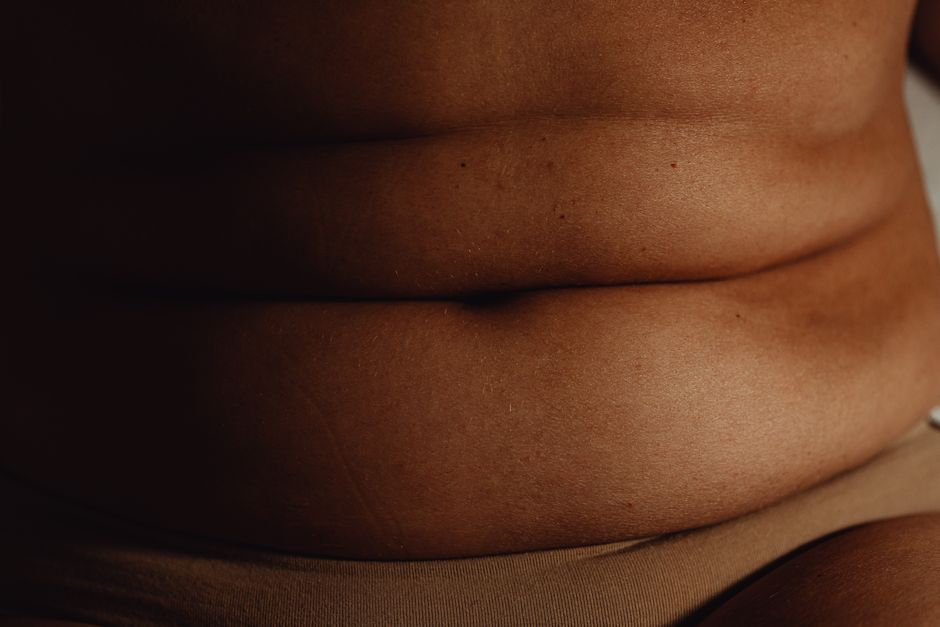
A full tummy tuck, medically called an abdominoplasty, is a major surgical procedure that removes excess skin and fat from the abdomen while tightening the underlying muscles. The average cost in the United States ranges from $6,000 to $12,000, though total expenses including anesthesia and facility fees often push it higher. Risks include infection, scarring, blood clots, and poor wound healing, with recovery typically taking 4 to 6 weeks before normal activities can resume.
What Exactly Happens During a Full Tummy Tuck Procedure?
A full tummy tuck is not the same as liposuction. Liposuction removes fat only. A tummy tuck removes both fat and loose skin, and it tightens the abdominal muscles that may have separated or weakened.
The surgeon makes a horizontal incision low on the abdomen, usually from hip to hip. A second incision frees the belly button from surrounding tissue. The skin is lifted off the abdominal wall from the pubic area up to the ribs. The surgeon then stitches the separated abdominal muscles back together. Excess skin and fat are trimmed away. The belly button is repositioned, and the incisions are closed.
The procedure takes 2 to 5 hours depending on complexity. It is done under general anesthesia. Most patients go home the same day, but some surgeons prefer an overnight stay for monitoring.
What Is the Average Cost of a Full Tummy Tuck?
The American Society of Plastic Surgeons reports the average surgeon fee for a tummy tuck was $6,575 in 2023. That number does not include anesthesia, operating room facilities, medical tests, compression garments, or prescription medications. Total out-of-pocket costs typically land between $8,000 and $15,000.
Several factors raise or lower the price. Geographic location matters. Surgeons in major cities like New York or Los Angeles charge more than those in smaller cities. Surgeon experience and board certification also affect the fee. A more experienced, board-certified plastic surgeon will cost more but may reduce complication risks.
Insurance almost never covers a tummy tuck. It is considered cosmetic surgery. The only exception is when the procedure repairs a hernia or corrects a functional problem like chronic back pain from weakened muscles. Even then, insurance may only cover the repair portion, not the skin removal.
What Are the Most Common Risks and Complications?
Every surgery carries risks. A full tummy tuck has specific ones worth understanding before deciding.
Infection occurs in about 1 to 5 percent of cases according to research in the journal Plastic and Reconstructive Surgery. Antibiotics before and after surgery reduce this risk. Signs include increasing redness, warmth, pain, or drainage from the incision.
Scarring is permanent. The main scar runs hip to hip, low enough to be hidden by underwear or swimwear. Some people develop thick, raised scars called keloids. Others heal with thin, flat lines. Genetics play a large role in how scars form.
Seroma is a collection of fluid under the skin. It happens when the lymphatic system is disrupted during surgery. Small seromas reabsorb on their own. Larger ones need drainage with a needle. Studies show seromas occur in 10 to 15 percent of tummy tuck patients.
Blood clots in the legs, called deep vein thrombosis, are a serious risk. A clot can travel to the lungs and become life-threatening. Surgeons reduce this risk with blood thinners, compression boots during surgery, and early walking after the procedure.
Poor wound healing is more common in smokers, people with diabetes, and those who are significantly overweight. The skin at the incision edges may die, leading to delayed healing and wider scars. Some cases require additional surgery to remove dead tissue.
Numbness in the lower abdomen is expected. Nerves are cut during the incision. Sensation often returns partially over months to years, but some numbness can be permanent.





What Does Recovery Actually Look Like?
Recovery from a full tummy tuck is not quick. The first week is the hardest. You will have drains placed under the skin to remove excess fluid. You will need to walk slightly bent at the waist to reduce tension on the incision.
Pain is managed with prescription medication for the first few days. Most people switch to over-the-counter pain relievers after that. Swelling peaks at 48 to 72 hours after surgery and gradually decreases over weeks.
You cannot drive for at least two weeks. You cannot lift anything heavier than a gallon of milk for four to six weeks. Returning to desk work takes two to four weeks. Jobs that require physical labor or heavy lifting need six to eight weeks off.
Compression garments are worn for four to six weeks. They reduce swelling and support the healing tissues. Drains are usually removed within one to two weeks at a follow-up appointment.
Exercise restrictions are strict. No running, jumping, or core work for six to eight weeks. Walking is encouraged from day one to prevent blood clots. Full return to exercise happens around eight to twelve weeks, and only with surgeon approval.
| Recovery Milestone | Typical Timeline |
|---|---|
| Hospital stay | 0 to 1 night |
| Drain removal | 1 to 2 weeks |
| Return to desk work | 2 to 4 weeks |
| Driving | 2 to 3 weeks |
| Lifting over 10 pounds | 4 to 6 weeks |
| Full exercise | 8 to 12 weeks |
| Swelling mostly gone | 3 to 6 months |
| Final scar appearance | 12 to 18 months |
Who Is a Good Candidate for a Full Tummy Tuck?
The best candidates are people close to their ideal body weight who have loose skin and weak abdominal muscles that do not improve with diet and exercise. Common reasons include major weight loss after bariatric surgery or pregnancy-related changes that do not resolve.
You should be a nonsmoker or willing to quit at least four weeks before and four weeks after surgery. Smoking dramatically increases the risk of wound healing problems and complications.
You should have realistic expectations. A tummy tuck removes excess skin and tightens muscles. It does not remove stretch marks completely, though some may be removed with the excised skin. It does not help with fat on the back, hips, or thighs. It is not a weight loss procedure.
Women planning future pregnancies should wait. Pregnancy after a tummy tuck can stretch the skin and separate the muscles again, undoing the surgical results. Most surgeons recommend delaying the procedure until after you are done having children.
What Are Common Misconceptions About Tummy Tucks?
One widespread myth is that a tummy tuck is a shortcut to weight loss. It is not. The amount of tissue removed typically weighs between two and five pounds. That is less than most people lose in a month of healthy dieting.
Another misconception is that liposuction alone can achieve the same result. Liposuction removes fat but does not tighten loose skin or repair separated muscles. For people with significant skin laxity or muscle separation, a tummy tuck is the only surgical option that addresses those issues.
Some people believe the results are permanent. Weight gain or loss after surgery can change the appearance. Pregnancy will stretch the skin and muscles again. Aging also affects skin elasticity over time. The results last many years but are not forever.
A third myth is that a mini tummy tuck is just as effective as a full one. A mini tummy tuck only addresses the lower abdomen below the belly button. It does not tighten upper abdominal muscles or remove excess skin above the navel. A full tummy tuck addresses the entire abdomen. The right choice depends on your specific anatomy and goals.
What Are the Alternatives to a Full Tummy Tuck?
For people with minimal skin laxity and good muscle tone, liposuction alone may be enough. It removes stubborn fat deposits through small incisions. Recovery is faster, and scarring is minimal. But it does not tighten skin or repair muscles.
Non-surgical skin tightening devices like radiofrequency or ultrasound treatments exist. Evidence for these is mixed. Some studies show modest improvements in skin laxity. None produce results comparable to surgery. The FDA has cleared these devices for skin tightening, but they are not approved as replacements for a tummy tuck.
Exercise strengthens the abdominal muscles but cannot repair separated muscles caused by pregnancy or weight gain. It also cannot remove excess skin. For people with mild muscle separation, physical therapy focusing on the transverse abdominis muscle may help improve core function and appearance.
Weight loss through diet and exercise can reduce abdominal fat and improve overall body shape. But it cannot tighten loose skin. People who have lost a significant amount of weight often find that a tummy tuck is the only way to remove the remaining excess skin.
Frequently Asked Questions
How long does a full tummy tuck procedure take?
The surgery typically takes 2 to 5 hours depending on the complexity of the case and whether additional procedures like liposuction are performed at the same time.
Will I have visible scars after a tummy tuck?
Yes, you will have a permanent scar that runs from hip to hip, though it is placed low enough to be hidden by most underwear and swimwear.
Can I get pregnant after a tummy tuck?
Yes, but pregnancy can stretch the skin and separate the abdominal muscles again, potentially reversing the surgical results.
Does insurance ever cover a tummy tuck?
Insurance almost never covers tummy tucks as they are considered cosmetic, though coverage may apply if the surgery repairs a hernia or corrects a functional problem.
