
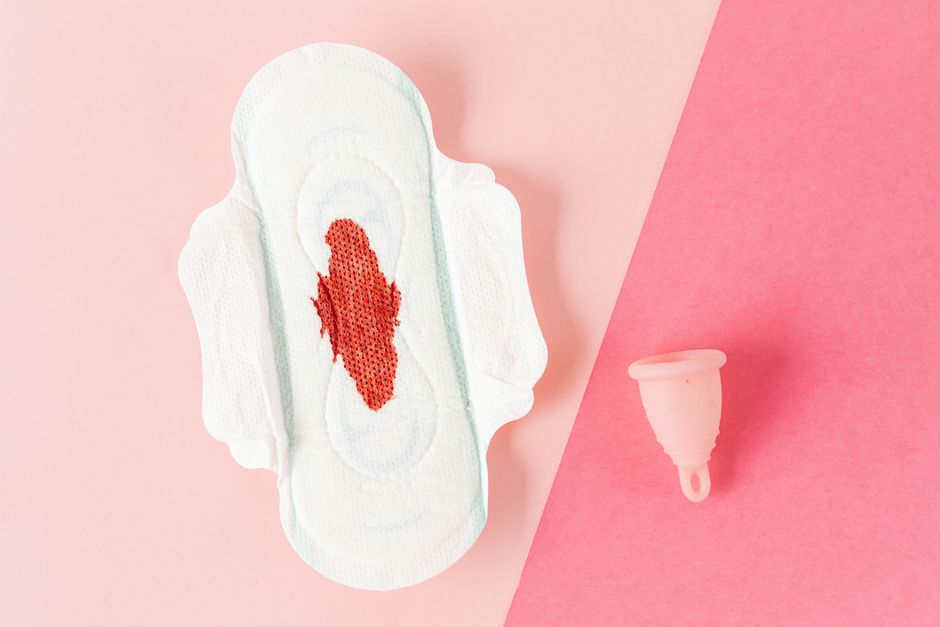
If your period is late, you may wonder if there is something safe you can do to start it. The honest answer is that no home method has strong evidence to reliably and safely bring on a late period. Medical options exist, but they require a prescription and a clear reason. For most people, a late period resolves on its own once the underlying cause — often stress, illness, or a temporary hormonal shift — corrects itself. Trying to force a period without a doctor’s guidance comes with real risks and no guaranteed outcome.
What Counts As A Late Period?
A normal menstrual cycle ranges from 21 to 35 days. Your cycle is measured from the first day of one period to the first day of the next. A period is considered late if it has not started within 7 days of when you expected it, based on your usual cycle length. Occasional variation is common. For example, one cycle lasting 33 days instead of 28 is not automatically concerning.
If you have gone more than 35 days without a period, or if you have missed three or more periods in a row, that is considered amenorrhea and warrants a medical evaluation. Pregnancy is the most common reason for a missed period, but many other factors can cause delays.
Common Reasons For A Late Period
Before considering how to induce a period, it helps to understand why it is late. The most common causes include:
- Pregnancy — Always rule this out first with a home urine test. False negatives are rare after the first day of a missed period, but can happen if you test too early.
- Stress — High stress levels can suppress the hormones that trigger ovulation, delaying your period.
- Significant weight changes — Both rapid weight loss and weight gain can disrupt hormone balance.
- Polycystic ovary syndrome (PCOS) — A common condition that causes irregular ovulation and long cycles.
- Thyroid disorders — Both overactive and underactive thyroid can affect menstrual regularity.
- Perimenopause — For women in their 40s or early 50s, fluctuating hormone levels often lead to irregular cycles.
- Illness, travel, or major changes in routine — These can temporarily affect your cycle.
Identifying the cause is the safest first step. Without knowing why your period is late, any attempt to induce bleeding could be pointless or risky.
How To Induce A Late Period Safe Methods And Risks
When people search for safe methods to start a late period, they usually fall into two categories: medical interventions and home remedies. The evidence supporting each is very different.
Medical methods are the only approaches with reliable evidence. A doctor may prescribe a short course of a progestin (a synthetic form of progesterone) to trigger a withdrawal bleed. This is called a progestin challenge. It is typically given as a pill taken daily for 5 to 10 days. Bleeding usually occurs within a few days after stopping the medication. Another option is birth control pills. By taking active pills for the first few weeks and then stopping, a withdrawal bleed can be induced. These methods are not appropriate for everyone — they should only be used under medical supervision, and only after pregnancy has been ruled out.
Home remedies are widely discussed online, but no high-quality studies show that any of them reliably induce a period. Common suggestions include vitamin C, parsley tea, ginger, turmeric, and vigorous exercise. The idea is that certain compounds may stimulate uterine contractions or affect estrogen levels. However, the science behind these claims is weak. At high doses, vitamin C can cause nausea, diarrhea, and kidney stones. In large amounts, some herbs (like pennyroyal and mugwort) are toxic and can cause acute liver failure. No study has confirmed that these home methods work safely.
The bottom line: the only safe and evidence-based way to induce a late period is with medical guidance. Home methods carry unproven benefits and real risks. Stress reduction, adequate sleep, and a balanced diet are the healthiest ways to support a regular cycle — but they will not force a period to start.





Risks Of Trying To Induce A Period At Home
Attempting to start a period without a doctor’s help can be dangerous. Some of the specific risks include:
- Herbal toxicity — Herbs such as pennyroyal, tansy, and black cohosh are sometimes promoted for inducing periods, but they can cause severe poisoning, liver damage, and even death. Pennyroyal oil, in particular, is highly toxic even in small amounts.
- Masking an underlying condition — If a late period is caused by a thyroid problem, PCOS, or a pituitary tumor, inducing bleeding does not treat the root issue. Delaying diagnosis can make the condition worse.
- Harm during early pregnancy — If you are pregnant and do not know it, strong herbs or high-dose supplements could harm the developing embryo. Some substances are known to be abortifacients — meaning they can cause miscarriage. Trying to deliberately end a pregnancy this way is extremely dangerous and not reliable.
- Electrolyte imbalances — High doses of vitamin C or other supplements can disrupt normal body chemistry, especially if taken over several days.
No responsible health source recommends self-inducing a period at home. The potential for harm outweighs any uncertain benefit. If you are not pregnant, the safest approach is to wait and let your body reset, or see a doctor for proper evaluation.
When Should You See A Doctor?
You should see a healthcare provider if:
- Your period is more than 7 days late and you have ruled out pregnancy with a urine test.
- You have missed three or more periods in a row.
- Your periods have always been irregular, but the pattern recently changed.
- You have other symptoms such as pelvic pain, abnormal bleeding between periods, excessive hair growth, acne, or milk discharge from the breasts.
- You are trying to become pregnant and your cycles are consistently long or unpredictable.
A doctor can perform blood tests, an ultrasound, and other evaluations to find out why your period is late. If medical induction is appropriate, they will prescribe a safe regimen. Do not take leftover birth control pills, hormonal medication from another person, or herbs promoted online.
Frequently Asked Questions
How can I get my period to come faster?
No home remedy has been proven to start a period faster. The only reliable way is a hormonal medication prescribed by a doctor after ruling out pregnancy.
Is it safe to take vitamin C to start a period?
No. High doses of vitamin C can cause digestive upset and kidney stones, and there is no good evidence that it works to induce a period.
Can stress delay your period?
Yes. High stress levels can disrupt the hormonal signals that control ovulation, which can delay your period by days or even weeks.
When should I worry about a late period?
You should see a doctor if your period is more than seven days late and you are not pregnant, or if you have missed three or more periods in a row.
