

Eating too fast is not a formal medical disorder on its own, but it is a behavior that can signal underlying eating issues and carries real health risks. Studies have connected rapid eating to overeating, weight gain, and digestive discomfort. The key signs include finishing meals in under 10 minutes, barely chewing, and feeling uncomfortably full afterward. While it may not be a diagnosis, recognizing these patterns matters because slowing down can improve digestion, help with weight management, and reduce the risk of metabolic problems.
What Is Considered Eating Too Fast?
There is no single medical cutoff for “too fast,” but research often defines rapid eating as finishing a meal in under 10 minutes. Most people take 20 to 30 minutes to eat a moderate-sized meal. The brain needs about 20 minutes to receive signals from the stomach that you are full. Eating faster than that means you can consume a large number of calories before your body tells you to stop.
Another common sign is chewing very little. If you swallow food after only a few chews, you are eating too fast. Some studies define a “fast eater” as someone who takes fewer than 15 chews per bite. Slower eaters often chew 25 to 30 times per bite, depending on the food.
Is Eating Too Fast A Disorder?
No major medical classification lists rapid eating as a standalone disorder. The Diagnostic and Statistical Manual of Mental Disorders (DSM-5) does not include it. However, eating too fast can be a symptom of certain eating disorders. For example, binge eating disorder often involves eating very quickly during a binge episode. Some people with bulimia also eat rapidly before purging. But for most people, eating fast is just a habit shaped by busy schedules, distraction, or upbringing.
Some researchers have proposed a condition called “rapid eating disorder” or “eating speed disorder,” but this is not an accepted clinical diagnosis. The term “disorder” implies a clear set of symptoms that cause significant distress or impairment. Eating too fast by itself may not meet that standard. Still, if eating speed interferes with your health or quality of life, it is worth addressing.
Signs You May Be Eating Too Fast
- You finish meals long before others at the table.
- You often feel bloated, gassy, or nauseated after eating.
- You rarely taste your food or notice its texture.
- You frequently eat standing up or while driving.
- You feel uncomfortably full after meals, sometimes to the point of pain.
- You eat a second helping before your body signals fullness.
If several of these describe you, it is likely you eat faster than your body can handle. The discomfort after eating is a direct result of swallowing air and food without enough chewing.




Health Risks of Eating Too Fast
Digestive Problems
When you eat quickly, you swallow more air. This can cause bloating, belching, and gas. Large chunks of food also reach your stomach without being broken down by chewing. The stomach then has to work harder to grind the food, which can lead to indigestion, heartburn, and stomach pain. Over time, chronic rapid eating can contribute to gastroesophageal reflux disease (GERD).
Overeating and Weight Gain
Eating fast bypasses the body’s natural fullness signals. Hormones like ghrelin (which stimulates hunger) and leptin (which signals fullness) take time to adjust. A meal that is eaten in 5 minutes may not allow ghrelin to fall enough or leptin to rise enough. As a result, you eat more before your brain knows you are full. Research consistently links faster eating to higher calorie intake and greater body mass index (BMI).
Metabolic Health
Some studies have found that people who eat quickly have higher risks of developing metabolic syndrome — a cluster of conditions including high blood pressure, high blood sugar, excess belly fat, and abnormal cholesterol levels. The exact mechanism is not fully understood, but it is likely related to the overeating and blood sugar spikes that come from rapid eating. Large, fast meals cause a sharper rise in blood sugar and insulin compared to slower, smaller meals.
Increased Risk of Type 2 Diabetes
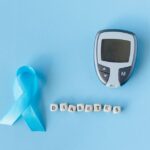
A 2017 study in Scientific Reports found that fast eaters had a significantly higher risk of developing type 2 diabetes compared to slow eaters. Other research from Japanese cohorts has reported similar findings. The link may be due to rapid glucose spikes and weight gain over time.
Important note: Most of these studies are observational. They show an association, not proof that eating fast directly causes these conditions. But the pattern is consistent across multiple populations and years of research.
Why Do People Eat Too Fast?
The most common reasons are lifestyle driven. Work schedules, family demands, and the habit of eating while working or watching screens all push people to eat faster. Some people grew up in households where meals were rushed or where competition for food was high. Others have anxiety that makes them rush through meals. Distraction – scrolling a phone or watching television – reduces awareness of how much you are eating and how fast.
There is also a personality component. Some people are naturally impatient and tend to do everything quickly, including eating. Identifying your personal triggers can help you decide which strategies will work best to slow down.
How to Slow Down Your Eating
Changing eating speed takes practice. These strategies are supported by research on mindful eating and behavior change:
- Put your fork down between bites. This forces a natural pause. Aim for 15 to 30 seconds between bites.
- Chew each bite thoroughly. Try to chew 20 to 30 times before swallowing. This improves digestion and gives your brain time to register food intake.
- Set a timer. Aim for at least 20 minutes per meal. If you finish early, pause before getting seconds.
- Eat without screens. Television, phones, and computers distract you from how fast you are eating. Focus on the food and the act of eating.
- Take smaller bites. Use a smaller fork or spoon to naturally reduce portion size per mouthful.
- Drink water throughout the meal. Sipping water slows you down and helps you feel fuller earlier.
None of these require special equipment or diets. They are simple behavioral adjustments that can produce real changes in eating speed and overall health.
When to Seek Professional Help
If eating too fast is accompanied by loss of control over eating, guilt after meals, or regular episodes of eating large amounts rapidly, you may have an eating disorder. Binge eating disorder and bulimia both involve rapid eating as a key feature. See a doctor or a mental health professional who specializes in eating disorders. They can help you distinguish between a habit and a condition that needs treatment.
Also seek help if your eating speed causes persistent digestive symptoms like heartburn, regurgitation, or abdominal pain that do not improve with slower eating. A gastroenterologist can check for GERD or other conditions that may need medical management.
Frequently Asked Questions
Can eating too fast cause weight gain?
Yes, research consistently shows that people who eat quickly consume more calories at meals and are more likely to have a higher BMI. The body’s fullness signals cannot keep up with rapid eating, leading to overeating.
Is there a medical condition that makes you eat fast?
No single medical diagnosis causes fast eating by itself, but it can be a symptom of binge eating disorder, bulimia, or certain neurological conditions. Most people who eat fast simply have a learned habit.
How many chews per bite is healthy?
No official guideline exists, but many experts suggest chewing 20 to 30 times per bite. This breaks down food and gives your brain time to register fullness. Harder foods like nuts or raw vegetables may need more chews.
Does eating fast cause acid reflux?
Yes, rapid eating increases the amount of air you swallow and leaves larger food particles in the stomach. Both can contribute to bloating, belching, and acid reflux. Slowing down often reduces these symptoms.
