
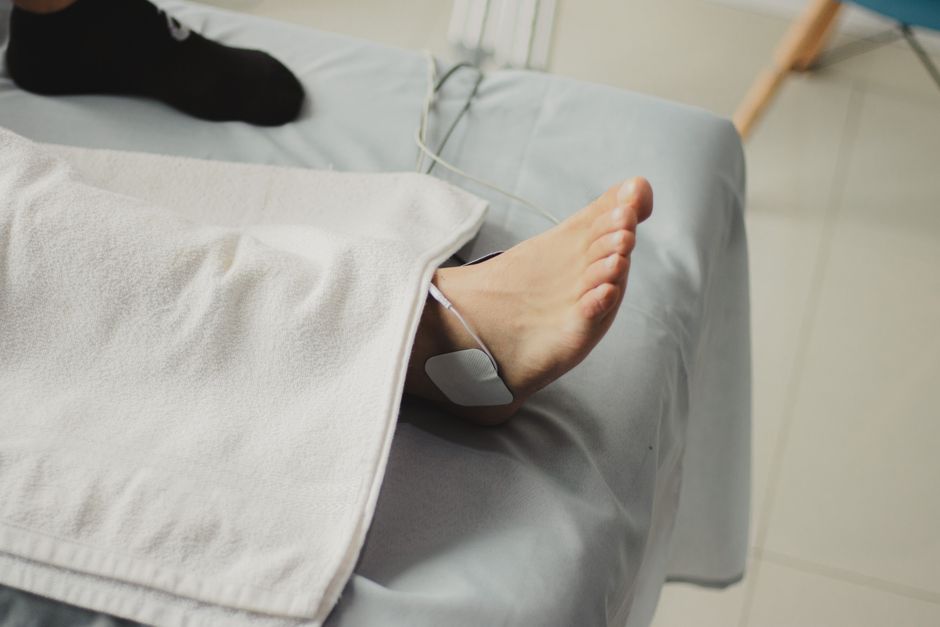
An ACL reconstruction is surgery to replace a torn anterior cruciate ligament in the knee. The surgeon uses a graft — a piece of tendon from another part of your body or from a donor — to create a new ligament. Full recovery takes six to twelve months, with structured physical therapy starting right after surgery.
What is an ACL reconstruction procedure?
ACL reconstruction is a surgical procedure that rebuilds the anterior cruciate ligament. This ligament runs diagonally inside the knee and helps keep the shinbone from sliding too far forward relative to the thighbone. When it tears, the knee becomes unstable, especially during twisting or pivoting movements.
Because the ACL does not heal well on its own, surgery is often recommended for people who want to return to sports or activities that require a stable knee. The procedure replaces the torn ligament with a graft. Common graft options include the patellar tendon, hamstring tendon, or quadriceps tendon from your own body. An allograft — tendon tissue from a deceased donor — is another choice.
Surgeons perform ACL reconstruction using arthroscopy. This means they make small incisions and use a camera to guide the surgery. It is generally an outpatient procedure, meaning you go home the same day.
How does an ACL tear happen?
ACL tears are one of the most common knee injuries, especially in sports. They often happen during sudden stops, changes in direction, or landing awkwardly from a jump. A direct blow to the knee can also cause the injury, such as in football or soccer.
About 70 percent of ACL injuries occur without contact from another player. Non-contact mechanisms include planting your foot and twisting, or hyperextending the knee. Women are at higher risk than men, likely due to differences in anatomy, hormone levels, and neuromuscular control.
When the ACL tears, you may hear a pop and feel the knee give out. Swelling usually develops within a few hours, and walking becomes difficult. If you suspect an ACL injury, see a healthcare provider for evaluation, including physical exam and imaging such as MRI.
What happens during ACL reconstruction surgery?
The surgery takes about one to two hours. You will receive either general anesthesia (you are fully asleep) or regional anesthesia (you are awake but the leg is numb).
First, the surgeon examines the knee with an arthroscope to confirm the ACL tear and check for other damage, such as meniscus tears or cartilage injuries. Then the graft is harvested. If using your own tissue, the surgeon makes a small incision to remove the tendon from the kneecap area, the hamstring, or the quadriceps.
The torn ends of the ACL are removed. The surgeon drills tunnels in the upper shinbone (tibia) and the lower thighbone (femur) to position the graft. The graft is pulled through these tunnels and fixed in place with screws or other devices made of metal or absorbable material. The surgeon checks that the graft is tight and that the knee bends and straightens with the right stability.
Incisions are closed with stitches or surgical tape, and a dressing is applied. Most patients are discharged home the same day after recovery from anesthesia.


What is the recovery timeline for ACL reconstruction?
Recovery happens in phases. It is important to follow your surgeon’s and physical therapist’s instructions closely. Everyone heals at a different pace, but the general timeline below applies to most people.
First 1 to 2 weeks after surgery. You will use crutches and wear a knee brace. Weight-bearing is limited — often partial or touch-down weight. Ice and elevation help control swelling and pain. Range of motion exercises begin immediately, starting with straightening the knee. Most people stop using crutches after two to four weeks.
Weeks 3 to 6. Swelling decreases. Physical therapy focuses on regaining full knee extension and flexion. You can usually bear full weight with crutches or a brace. Strengthening exercises for the quadriceps and hamstrings begin carefully.
Months 2 to 4. The graft is still healing into the bone tunnels. Therapy progresses to more active exercises, such as stationary biking, leg presses, and balance work. Jogging may start at around three to four months, but only after your surgeon approves.
Months 5 to 9. Strength and stability continue to improve. Sport-specific drills, agility exercises, and plyometrics (jumping and landing) are added. The goal is to rebuild the strength and control needed to protect the knee during athletic activity.
Months 9 to 12. Many people are cleared to return to full activities, including competitive sports, by nine to twelve months. However, the decision depends on objective measures, not just time. Tests for strength, balance, and movement control help determine if the knee is ready.
Returning too early increases the risk of re-injury, including tearing the graft. Studies show that delaying return to sport until after nine months reduces the chance of a second ACL injury.
What are the risks and complications of ACL reconstruction?
ACL reconstruction is a common and generally safe surgery. But like any surgery, it has risks. These include infection, blood clots, and anesthesia complications. Specific risks include knee stiffness, loss of full motion, and persistent pain over the front of the knee (especially if the patellar tendon graft was used).
Graft failure can happen, particularly if you return to high-risk activities too soon. The graft can stretch out or re-tear. The risk of a second ACL tear on the same knee is about 2 to 5 percent in the general population, but higher in young athletes who return to sports. The risk of injuring the other knee is also elevated.
Some people develop chronic knee instability or arthritis later in life, whether or not they have surgery. ACL tears themselves increase the long-term risk of osteoarthritis, and reconstruction does not eliminate that risk.
It is important to discuss specific risks with your surgeon. They can explain how your age, activity level, and graft choice affect outcomes.
When can you return to sports after ACL reconstruction?
Return to sports is one of the biggest questions after ACL reconstruction. The answer depends on several factors: the type of sport, your healing, and your functional progress. Most surgeons clear athletes for full participation between nine and twelve months.
But the decision should be based on more than a calendar. Your physical therapist will measure things like leg strength symmetry — you want the surgical leg to be at least 90 percent as strong as the other leg. Balance and movement quality during running, cutting, and jumping are also critical.
Sports that involve sudden stops, pivots, or contact — such as soccer, basketball, skiing, and football — carry the highest risk of re-injury. These sports require more time and more rigorous testing before return. Low-risk activities like swimming, cycling, and straight-line running can be started earlier, often by three to four months.
Every surgeon has a specific protocol. Trust your medical team and do not rush the timeline. The evidence is clear: waiting longer lowers the chance of re-tear.
What does physical therapy involve after ACL reconstruction?
Physical therapy is not optional after ACL reconstruction. It is essential for a successful outcome. You will start working with a therapist within the first week after surgery, sometimes the day after.
Early sessions focus on reducing swelling, controlling pain, and regaining the ability to straighten the knee. You will do gentle exercises like heel slides, quad sets, and straight-leg raises. The therapist will also teach you how to walk with crutches and manage the brace.
Over the following months, therapy progresses. You will work on strengthening the muscles around the knee and hip, improving balance, and retraining movement patterns. Later stages include jogging, jumping, and sport-specific drills. The frequency of therapy visits decreases over time — often two to three times per week initially, then tapering to once a week or less as you hit milestones.
You must also do exercises at home daily. Skipping home exercises slows progress and increases the chance of a poor outcome. Consistent effort throughout the full recovery period is what leads to a stable knee and a safe return to activity.
Frequently Asked Questions
How long does ACL reconstruction surgery take?
The surgery itself typically takes one to two hours. This includes time for anesthesia, preparing the leg, and performing the procedure.
Will I be awake during ACL reconstruction?
Most patients receive general anesthesia and are fully asleep. Some surgeons offer regional anesthesia where you are awake but cannot feel the leg.
When can I walk after ACL reconstruction?
You will begin walking with crutches on the day of surgery. Most people stop using crutches after two to four weeks, depending on pain, swelling, and strength.
Can an ACL tear heal without surgery?
Some people with a complete ACL tear can manage without surgery if they avoid pivoting sports. However, the knee often remains unstable, and the risk of further cartilage damage is higher without reconstruction.
