
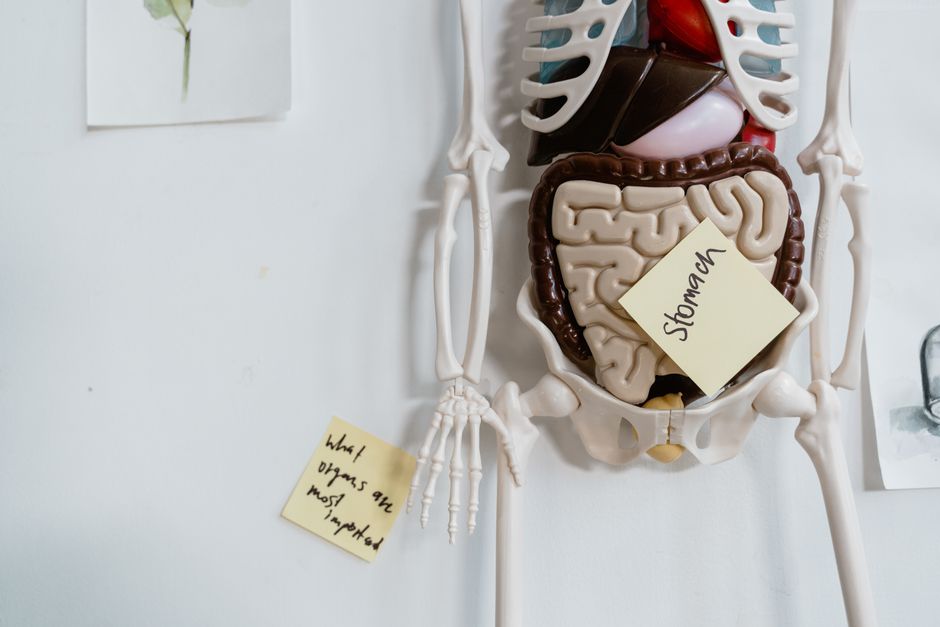
A bowel obstruction is a partial or complete blockage that stops food, liquid, and gas from moving through the intestines. It is a serious medical condition that requires prompt attention. When the normal movement of the digestive tract is halted, pressure builds up behind the blockage, which can lead to severe complications if not treated quickly.
What Is a Bowel Obstruction?
A bowel obstruction occurs when the small or large intestine is blocked. This blockage prevents digested material from passing through the digestive system normally. The condition can affect people of any age, but the causes differ between children and adults.
In the small intestine, the blockage is often due to scar tissue from previous abdominal surgery, hernias, or tumors. In the large intestine, the most common causes include colorectal cancer, severe constipation, or a condition called volvulus where the bowel twists on itself. Regardless of location, the result is the same: the digestive tract cannot do its job.
When the bowel is blocked, fluids and gas accumulate above the blockage. This stretches the intestinal wall and increases pressure inside the abdomen. If the pressure becomes high enough, blood flow to the intestinal tissue can be cut off. Without blood flow, the tissue can die, which is a life-threatening emergency.
What Are the First Signs and Symptoms?
The symptoms of a bowel obstruction often come on quickly and can be intense. The most common symptom is severe abdominal cramping that comes in waves. These cramps follow the rhythm of the intestinal muscles trying to push contents past the blockage.
Other early signs include vomiting, abdominal swelling, and the inability to pass gas or have a bowel movement. The vomiting may start with stomach contents and later become brown or foul-smelling, which indicates the contents of the lower intestine are backing up. This is a sign the obstruction has been present for some time.
People often describe the pain as different from ordinary stomach upset. It is more severe and persistent. If you cannot pass gas or stool and you are vomiting, do not wait to seek medical care. These are classic signs that something is physically blocking your digestive tract.
What Causes a Bowel Obstruction?
Bowel obstructions are divided into two main categories: mechanical and functional. A mechanical obstruction means something physically blocks the intestine. A functional obstruction means the intestine is not blocked by tissue, but the muscles of the bowel are not working properly to move contents along.
Mechanical causes in the small intestine include adhesions, which are bands of scar tissue that form after abdominal surgery. These adhesions can pull on the intestine and pinch it closed. Hernias can also trap a loop of intestine, cutting off the passage. Tumors growing inside the intestine can narrow the passage until it closes completely.
In the large intestine, colorectal cancer is the leading cause of obstruction in older adults. Diverticulitis, an inflammation of small pouches in the colon wall, can also cause narrowing. A volvulus, where the colon twists, is more common in older adults and can cut off blood supply quickly.
Functional obstructions, called ileus, occur when the intestinal muscles stop contracting. This often happens after abdominal surgery, with certain medications like opioids, or with severe infections. The bowel is open, but it is not moving. Both types require medical evaluation, but the treatments differ significantly.





How Is a Bowel Obstruction Diagnosed?
Diagnosis begins with a physical exam and a detailed medical history. Your doctor will ask about your surgical history, current medications, and when your symptoms started. They will listen to your abdomen with a stethoscope. In a mechanical obstruction, the bowel often makes loud, high-pitched sounds. In an ileus, there may be no bowel sounds at all.
Imaging is essential for confirming the diagnosis. A CT scan is the most common and accurate test. It can show exactly where the blockage is and whether it is partial or complete. It can also reveal signs of complications, such as a perforation or compromised blood flow.
X-rays of the abdomen can show air-fluid levels, which are a classic sign of obstruction. In some cases, a contrast enema or a colonoscopy may be used for obstructions in the large intestine. Blood tests are also performed to check for signs of dehydration, infection, or tissue damage.
Delays in diagnosis increase the risk of serious complications. If you have severe abdominal pain that will not stop, vomiting, and no bowel movements, go to an emergency department immediately. Do not wait to see if it resolves on its own.
What Are the Treatment Options?
Treatment depends on the cause, location, and severity of the obstruction. A partial obstruction where some material can still pass may be managed without surgery. Complete obstructions almost always require intervention.
Initial treatment for any obstruction begins with stabilization. This means placing an IV for fluids to correct dehydration, inserting a nasogastric tube to decompress the stomach and remove swallowed air and fluid, and monitoring vital signs closely. Pain medication is given carefully, as some painkillers can slow the bowel further.
For a partial obstruction caused by adhesions, conservative management may be successful. This involves bowel rest, which means no food or liquids by mouth, and allowing time for the blockage to resolve on its own. Some research suggests that a water-soluble contrast agent given by mouth can help predict which obstructions will resolve without surgery.
Surgery is required when the obstruction is complete, when blood flow is compromised, or when conservative treatment fails. The surgical approach depends on what is causing the blockage. Adhesions can be cut. Tumors can be removed. A twisted bowel can be untwisted. If a section of bowel has died, that section must be removed and the healthy ends reconnected.
In some cases, a stent can be placed to open a narrowed area without surgery. This is often used for obstructions caused by advanced colorectal cancer where surgery is not a good option. Stents provide relief from symptoms but do not treat the underlying disease.
What Happens If a Bowel Obstruction Is Left Untreated?
An untreated bowel obstruction is life-threatening. The pressure inside the intestine continues to rise as gas and fluid accumulate. This pressure stretches the intestinal wall until blood flow becomes restricted. When blood flow stops, the tissue begins to die, a condition called strangulation.
Strangulation can lead to a perforation, where the intestinal wall tears open. This allows bacteria and digested material to spill into the abdominal cavity, causing peritonitis. Peritonitis is a severe infection of the lining of the abdominal cavity that can spread to the bloodstream and cause sepsis. Sepsis is a medical emergency with a high mortality rate.
The timeline for these complications varies. Some obstructions progress rapidly within hours. Others may take days. There is no safe way to predict which obstructions will worsen quickly. This is why prompt medical evaluation is critical. The earlier treatment begins, the better the outcome.
Can a Bowel Obstruction Be Prevented?
Not all bowel obstructions can be prevented, but some risk factors can be managed. After abdominal surgery, adhesions are a common cause of obstruction. Surgeons use techniques to minimize adhesion formation, but they cannot always be avoided. Staying active after surgery and following your surgeon’s instructions may help reduce the risk.
For large bowel obstructions, prevention focuses on reducing the risk of colorectal cancer. Regular screening colonoscopies are recommended for adults starting at age 45. Screening can detect and remove polyps before they become cancerous. A healthy diet high in fiber, regular exercise, and maintaining a healthy weight are also associated with a lower risk of colorectal cancer.
Staying hydrated and treating constipation early may help prevent some obstructions. Severe, prolonged constipation can lead to a condition called fecal impaction, which can block the colon. If you have chronic constipation, talk to your doctor about a management plan rather than relying on over-the-counter laxatives long-term.
When Should You Seek Emergency Care?
Seek emergency medical care immediately if you experience severe abdominal pain that does not go away, especially if it is accompanied by vomiting and the inability to pass gas or stool. Other warning signs include a swollen or tender abdomen, fever, rapid heart rate, or signs of dehydration such as dark urine and extreme thirst.
Do not eat or drink anything if you suspect a bowel obstruction. Do not take laxatives. Laxatives can increase pressure in the blocked bowel and raise the risk of perforation. Go to the emergency department or call emergency services right away.
Bowel obstruction is not a condition to manage at home. It is a medical emergency that requires hospital care. With prompt treatment, most people recover fully. With delay, the risks of serious complications rise significantly.
Frequently Asked Questions
Can a bowel obstruction clear on its own?
Some partial obstructions may resolve without surgery, but this requires hospital care with bowel rest and monitoring. Never wait at home for a suspected obstruction to clear on its own.
How long can you survive with a bowel obstruction?
There is no safe timeline, as complications can develop within hours. A bowel obstruction is a medical emergency, and waiting increases the risk of tissue death and perforation.
What does a bowel obstruction feel like?
It typically feels like severe, cramping abdominal pain that comes in waves, along with vomiting, bloating, and the inability to pass gas or stool. The pain is usually more intense than ordinary stomach cramps.
Can you still have a bowel movement with an obstruction?
You may pass small amounts of stool or liquid if the obstruction is partial, but a complete obstruction stops all bowel movements and gas. The inability to pass gas is a key warning sign.
