
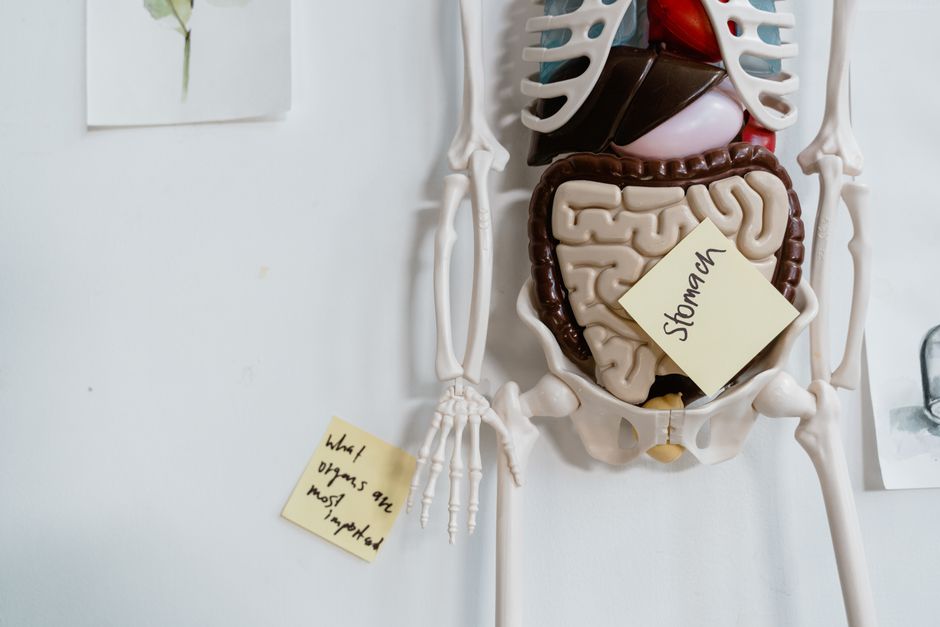
Sacroiliitis is inflammation of the sacroiliac joints, where your spine meets your pelvis. It causes pain in the lower back, buttocks, and sometimes down the legs. The direct answer is that sacroiliitis itself does not cause bowel problems or IBS. However, the two conditions are linked through a shared underlying cause. Sacroiliitis is often a symptom of an inflammatory arthritis called spondyloarthritis, and this same family of diseases frequently involves the gut.
What Is the Connection Between Sacroiliitis and the Gut?
The link is not direct. The inflammation in your sacroiliac joint does not spread to your intestines. Instead, both problems can stem from the same systemic inflammatory condition.
Sacroiliitis is a common feature of spondyloarthritis. This is a group of inflammatory diseases that affect the spine and joints. Ankylosing spondylitis is the most well-known type. Up to 60 percent of people with these conditions have inflammation in their gut that does not cause symptoms. A smaller number develop inflammatory bowel disease (IBD), such as Crohn’s disease or ulcerative colitis.
So when someone has both sacroiliitis and bowel issues, the bowel problems are not caused by the joint inflammation. They are separate expressions of the same underlying immune system problem.
What Is the Difference Between IBS and IBD?
This distinction matters for understanding your symptoms. IBS stands for irritable bowel syndrome. It is a disorder of gut function. The bowel looks normal on scans and scope exams, but it does not work normally. Symptoms include cramping, bloating, diarrhea, and constipation.
IBD stands for inflammatory bowel disease. This includes Crohn’s disease and ulcerative colitis. Here, there is visible damage and inflammation in the intestinal lining. IBD is diagnosed with colonoscopy or imaging.
Sacroiliitis is associated with IBD, not IBS. The connection is well documented. Studies have shown that people with IBD have higher rates of sacroiliitis than the general population. The reverse is also true. People with spondyloarthritis and sacroiliitis have higher rates of IBD.
IBS is more common in the general population. It can occur alongside sacroiliitis by chance. But no strong evidence shows a direct biological link between sacroiliitis and IBS specifically.
How Does Spondyloarthritis Affect the Bowel?
The immune system is the common thread. In spondyloarthritis, the body’s immune system attacks its own tissues. This causes inflammation in the joints and spine. The same immune activity can target the gut lining.
Research has found that many people with spondyloarthritis have microscopic inflammation in their intestinal lining. This inflammation is not severe enough to cause symptoms. But it is present. In some people, this silent inflammation progresses to full IBD over time.
One genetic marker, called HLA-B27, is strongly associated with ankylosing spondylitis. People who carry this gene are also at higher risk for IBD. This genetic connection helps explain why the two conditions travel together.
The gut microbiome may also play a role. Some research suggests that the bacteria in the intestines influence immune activity. Changes in gut bacteria might trigger or worsen inflammation in both the joints and the bowel. This area of study is still emerging, and the exact mechanisms are not fully understood.





When Should You Suspect More Than Sacroiliitis?
If you have sacroiliitis and develop bowel symptoms, you need to pay attention. Persistent changes in your bowel habits are not normal. The following symptoms warrant a conversation with your doctor:
- Blood or mucus in your stool
- Unexplained weight loss
- Chronic diarrhea lasting more than four weeks
- Severe abdominal pain or cramping
- Fever with bowel symptoms
These symptoms point toward IBD rather than IBS. Blood in the stool and weight loss are red flags. They require medical evaluation, not home management.
Do not assume your bowel symptoms are just part of your joint condition. They could be a separate issue that needs its own treatment.
Can Bowel Inflammation Cause Sacroiliitis?
The relationship can work in both directions. People with IBD develop sacroiliitis more often than people without it. The inflammation in the gut appears to trigger joint inflammation in some people.
This is called enteropathic arthritis. It is a type of spondyloarthritis associated with IBD. The joint symptoms can appear before, during, or after the bowel disease is diagnosed. Some people have joint pain for years before their IBD is discovered.
This means your doctor may screen for bowel disease if you have sacroiliitis with no clear cause. They may ask about family history, check for anemia, or order stool tests. These tests help rule out silent IBD.
How Are These Conditions Treated Together?
Treatment depends on the underlying diagnosis. If you have spondyloarthritis with gut involvement, your doctor will choose medications that address both problems.
Nonsteroidal anti-inflammatory drugs (NSAIDs) like ibuprofen are common for joint pain. But they can irritate the gut. In people with IBD, NSAIDs may worsen bowel symptoms. Your doctor may recommend alternatives if you have active gut inflammation.
Biologic medications are often effective for both joint and bowel inflammation. Drugs called TNF inhibitors are used to treat ankylosing spondylitis, Crohn’s disease, and ulcerative colitis. These medications block specific immune proteins that drive inflammation.
Other biologics target different parts of the immune pathway. The right choice depends on which symptoms are most severe and which medications you have tried before.
Physical therapy remains important for sacroiliitis. Exercise helps maintain mobility and reduce pain. Your physical therapist can design a program that works around your bowel symptoms and fatigue.
What Should You Tell Your Doctor?
Be specific about your symptoms. Write down when bowel problems started and how often they occur. Note any triggers, such as certain foods or stress. Mention any family history of IBD or autoimmune disease.
Tell your doctor about all medications you take, including over-the-counter pain relievers. NSAID use can affect both your gut and your joints. Your doctor needs the full picture to make safe recommendations.
If your rheumatologist does not ask about bowel symptoms, bring them up yourself. The connection between joints and gut is well established. A good doctor will take these symptoms seriously.
A gastroenterologist may be part of your care team. They can perform a colonoscopy if needed and manage any bowel inflammation. Coordinated care between specialists gives you the best outcome.
What Is the Outlook for People With Both Conditions?
Having sacroiliitis and bowel problems does not mean your health will spiral. Many people manage both conditions effectively with the right treatment plan.
Early diagnosis improves outcomes. Treating gut inflammation early may reduce joint damage over time. Similarly, controlling joint inflammation can improve your quality of life and mobility.
Lifestyle factors matter. A balanced diet supports gut health. Regular movement helps maintain joint function. Stress management techniques like meditation or breathing exercises can help with both pain and digestive symptoms.
Work with your healthcare team to find what works for you. There is no one-size-fits-all approach. But with proper medical care, most people maintain active, full lives.
Frequently Asked Questions
Can sacroiliitis cause IBS symptoms?
No direct evidence shows sacroiliitis causes IBS. The two conditions can occur together, but they are separate issues. If you have both, they likely share an underlying inflammatory cause rather than one causing the other.
How do I know if my bowel problems are from spondyloarthritis?
Bowel problems linked to spondyloarthritis usually involve inflammation, such as IBD. Symptoms like blood in the stool, weight loss, or persistent diarrhea need medical evaluation. Your doctor may order a colonoscopy to check for IBD.
Should I see a gastroenterologist for sacroiliitis?
Not routinely. You should see a gastroenterologist only if you have bowel symptoms. Your rheumatologist can help decide if a referral is needed based on your symptoms and risk factors.
Can treating my gut inflammation help my sacroiliitis?
Some evidence suggests it can. Biologic medications that treat bowel inflammation also treat joint inflammation. Controlling gut inflammation may reduce joint symptoms, especially in people with IBD-related arthritis.
