
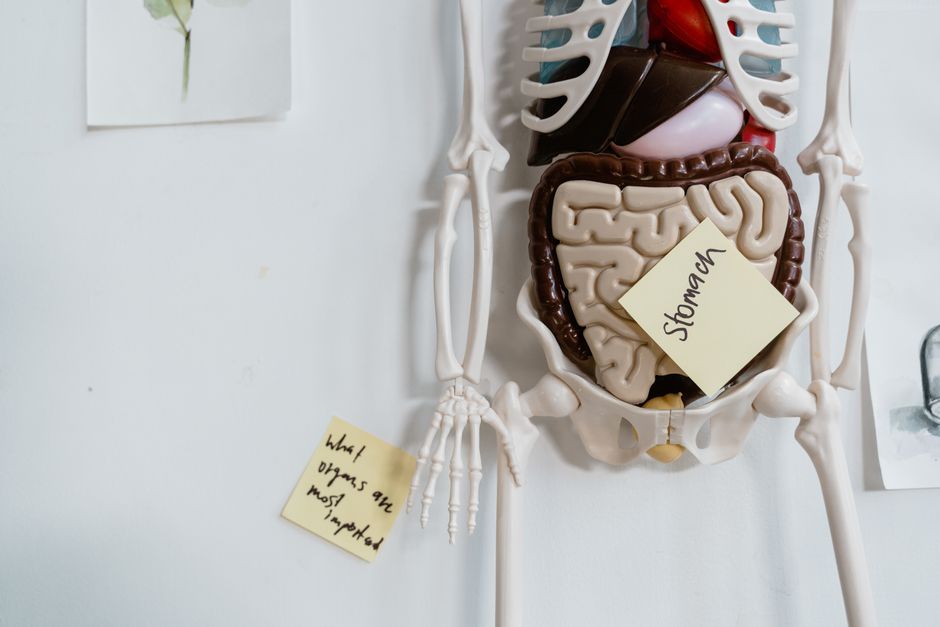
Intussusception of the bowel is a serious condition where one segment of the intestine slides into the section of bowel next to it, much like a collapsible telescope. This “telescoping” action blocks food and fluid from passing through, and it also cuts off the blood supply to the affected part of the intestine. Without prompt treatment, this loss of blood flow can cause the intestinal tissue to die, leading to a perforation and a life-threatening abdominal infection.
What Is Intussusception Of The Bowel?
Intussusception is a medical emergency. While it can occur at any age, it is most common in children between 6 months and 3 years old. In this age group, it is a leading cause of acute abdominal emergencies. The condition is less common in adults, but when it does occur in adults, it is often linked to an underlying structural problem, such as a tumor or polyp, that acts as a “lead point” for the bowel to pull around.
The term “intussusception” refers to the specific anatomy of the blockage. The inner, sliding segment is called the intussusceptum. The outer, receiving segment is called the intussuscipiens. The condition most frequently occurs at the junction where the small intestine meets the large intestine, a region called the ileocecal junction.
What Causes The Bowel To Telescope?
In children, the cause is often unknown. Medical professionals call this “idiopathic” intussusception. It frequently follows a viral illness that causes swelling in the lymphatic tissue lining the intestine. This swollen tissue can act as a lead point, catching the bowel wall and pulling it forward into the segment ahead of it.
In adults, the mechanism is different. A lead point is almost always present. This can be a benign growth, a cancerous tumor, a polyp, or even scar tissue from a previous surgery. Because of this, when an adult develops intussusception, doctors typically investigate for an underlying cause rather than treating the telescoping alone.
In both age groups, the resulting problem is the same. The blood vessels within the mesentery—the tissue that attaches the intestine to the back of the abdominal wall—are squeezed between the layers of the telescoped bowel. This is what compromises the blood supply.
What Are The Symptoms To Watch For?
The symptoms differ markedly between infants and adults. Recognizing them early is critical.
Symptoms In Infants And Children
The classic presentation in a child is sudden, severe, crampy abdominal pain that comes and goes. A child may draw their knees up to their chest and cry loudly during these episodes. Between episodes, the child may appear completely normal and comfortable for a short time. As the condition worsens, the pain becomes more constant.
Other key signs include:
- Vomiting — often starts as bile-stained (green or yellow) material.
- “Currant jelly” stool — a mixture of blood and mucus passed from the rectum. This is a late sign and indicates that the blood supply has already been compromised.
- A palpable abdominal mass — a doctor may feel a sausage-shaped lump in the abdomen.
- Lethargy — the child may become unusually sleepy or difficult to arouse.
It is important to note that not all children show all these signs. Some may only have vomiting and lethargy without obvious pain.
Symptoms In Adults
Adult intussusception is more subtle. Symptoms may be chronic and intermittent, lasting for weeks or months. Common complaints include crampy abdominal pain, nausea, vomiting, and changes in bowel habits. Blood in the stool is less common. Because the symptoms are vague, the diagnosis is often delayed in adults.





How Is Intussusception Diagnosed?
A prompt and accurate diagnosis is essential. The physical exam is only the first step. Imaging is required to confirm the condition.
An abdominal ultrasound is the preferred diagnostic tool, especially in children. It is non-invasive and highly accurate. The ultrasound image often shows a distinctive “target sign” or “doughnut sign” when viewed in cross-section. This appears as a ring of alternating echogenic (bright) and hypoechoic (dark) layers, representing the telescoped bowel walls.
In adults, a CT scan is more commonly used. It provides a detailed view of the entire abdomen and can help identify a lead point, such as a tumor, that may have caused the intussusception. The CT scan is highly sensitive for detecting this condition in adults.
An air or barium enema is sometimes used as both a diagnostic and therapeutic tool. In this procedure, a healthcare provider inserts a tube into the rectum and gently pushes air or liquid contrast into the bowel. The pressure of the enema can sometimes reduce the intussusception, pushing the telescoped segment back into its normal position. However, this is typically reserved for children who are stable and have no signs of bowel perforation.
What Are The Treatment Options?
Treatment depends on the patient’s age and the severity of the condition. There is no home remedy or medication that can correct intussusception. It requires hospital care.
Non-Surgical Reduction
In children who are stable, the first-line treatment is a therapeutic enema. This can be done with air or with a contrast solution under fluoroscopic or ultrasound guidance. The procedure is successful in about 80% of pediatric cases. It avoids the need for surgery and its associated risks.
The success rate depends on how long the symptoms have been present. If the symptoms have lasted more than 24 hours, the bowel may be swollen or damaged, and the enema is less likely to work. It is also not attempted if there are signs of perforation or peritonitis, which is an infection of the abdominal lining.
Surgical Intervention
Surgery is required when an enema reduction fails, when the child is unstable, or when there is evidence of bowel perforation. During surgery, the surgeon manually reduces the intussusception by gently squeezing the telescoped segment back into place.
If the bowel is found to be non-viable—meaning the blood supply has been cut off long enough that the tissue has died—the damaged section must be removed. The surgeon will then reconnect the healthy ends of the intestine. This procedure is called a bowel resection and anastomosis.
In adults, surgery is the standard treatment. Because a lead point is frequently the cause, simply reducing the intussusception without removing the underlying lesion carries a high risk of recurrence. In most cases, the surgeon will resect the affected segment of bowel to remove both the intussusception and its cause.
What Is The Recovery And Prognosis?
With early diagnosis and treatment, the outlook for intussusception is excellent.
For children treated successfully with an enema, the recovery is usually quick. They may need to stay in the hospital for observation for a day or two. The recurrence rate after a successful enema reduction is about 10%. If it does recur, it typically happens within the first 36 hours.
For children who require surgery, recovery depends on whether a resection was needed. If the bowel was simply reduced manually, recovery is similar to that of any abdominal surgery. If a resection was performed, the hospital stay is longer, and recovery is more gradual.
For adults, the prognosis is directly tied to the underlying cause. If the lead point was a benign polyp, the surgery is often curative. If it was a malignant tumor, the long-term outlook depends on the stage of the cancer at the time of removal.
The most significant complications arise from delayed treatment. If the blood supply to the bowel is interrupted for too long, the tissue dies, leading to perforation. This can cause peritonitis, a severe and potentially fatal infection of the abdominal cavity. Sepsis can follow. This is why any sudden, severe abdominal pain with vomiting warrants immediate medical attention.
Can Intussusception Be Prevented?
There is no known way to prevent primary intussusception in children. Because it often follows a viral infection, standard hygiene practices such as handwashing may reduce the risk of the triggering illness, but they do not guarantee prevention.
There is no dietary change or lifestyle modification that has been shown to prevent the condition. The focus is entirely on early recognition and prompt treatment to prevent complications.
One important note on prevention relates to vaccines. A rotavirus vaccine was once associated with an increased risk of intussusception in infants. The current rotavirus vaccines used today carry a much lower risk, but it is still present. The risk is estimated to be a few additional cases per 100,000 vaccinated infants. The benefits of preventing severe rotavirus diarrhea far outweigh this small risk. Parents should discuss any vaccine concerns with their pediatrician.
Frequently Asked Questions
Is intussusception painful?
Yes, it causes severe, crampy abdominal pain that comes in waves. In infants, this often appears as sudden, loud crying with knees drawn to the chest.
How is intussusception fixed without surgery?
A doctor can often fix it with an air or contrast enema, using pressure to push the bowel back into place. This is successful in about 80% of children who are treated early.
Can intussusception come back after treatment?
Yes, it recurs in about 10% of children after a successful enema reduction. Recurrence is less common after surgery because the underlying lead point is removed.
What happens if intussusception is left untreated?
Untreated intussusception cuts off the blood supply to the bowel, causing tissue death and a perforation. This leads to peritonitis, a severe abdominal infection that is life-threatening.
